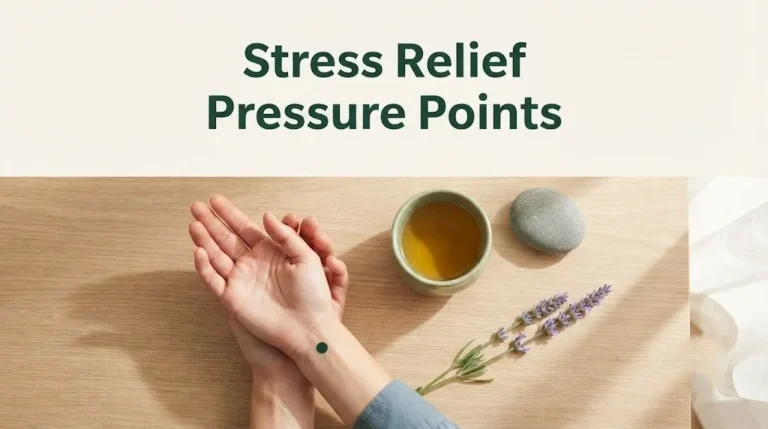
Acupuncture for Stress Relief: What Science Says in 2026
Acupuncture can provide genuine stress relief by modulating the hypothalamic-pituitary-adrenal (HPA) axis, reducing cortisol output, and activating the parasympathetic nervous system through vagus nerve stimulation. The needles are not magic and the effects are not placebo alone. Research published in Acupuncture in Medicine and systematic reviews in the Cochrane Database have documented measurable physiological changes including reduced salivary cortisol and improved heart rate variability following acupuncture treatment.
This matters because stress is not just a feeling. Chronic stress produces allostatic load that damages cardiovascular, immune, and neurological health over time. The American Psychological Association’s Stress in America survey consistently finds that a large portion of adults feel their stress is not adequately managed, and many are looking for evidence-based techniques beyond medication and talk therapy. Acupuncture, when delivered by a qualified practitioner, offers a physiologically grounded option.
This article explains exactly how acupuncture reduces stress at the neuroendocrine level, grades the evidence for different stress outcomes, walks you through what to expect in a session including timing and sensation, identifies who benefits most and who should approach with caution, and tells you how to find a properly licensed acupuncturist. You will finish knowing whether acupuncture fits your stress management plan and how to pursue it safely.
Acupuncture for Stress Relief
Acupuncture for stress relief is the use of fine sterile needles inserted at specific anatomical points to modulate the nervous system and reduce the physiological and psychological burden of stress. The practice originated in traditional Chinese medicine over two thousand years ago, but modern research has identified neuroendocrine mechanisms that explain its effects in terms of measurable biology.
The core premise is that needle insertion at specific acupuncture points (acupoints) stimulates sensory nerve fibers that send signals to the brain and spinal cord, triggering cascades of neurotransmitter release and autonomic nervous system regulation. This is not energy work in the vague sense. The needles activate A-delta and C sensory nerve fibers in the skin and underlying tissue, producing electrical signals that travel through the spinal cord to the brainstem, hypothalamus, and limbic system.
The de qi sensation, often described as a dull ache, heaviness, tingling, or warmth at the needle site, indicates that the needle has reached the appropriate tissue depth and stimulated the target nerve fibers. Research has shown that the de qi sensation correlates with measurable changes in brain activity on functional MRI. Patients who experience de qi tend to have better clinical outcomes, suggesting the nerve stimulation is mechanistically important, not just a cultural expectation.
Acupuncture for stress is not a single protocol. Practitioners may use body acupuncture, auricular acupuncture on the ear, electroacupuncture where mild electrical current is applied to the needles, or a combination. The point selection varies by patient presentation, but common anti-stress points include those that research suggests have autonomic and limbic modulating effects. A typical session lasts 30 to 60 minutes, with needles retained for 20 to 30 minutes.
For people new to acupuncture, the idea of needles can be intimidating. Acupuncture needles are not injection needles. They are hair-thin, solid, and typically inserted only a few millimeters to a centimeter. Most people feel the initial prick and then the de qi sensation, not ongoing pain. Understanding this distinction helps manage expectation and reduces anticipatory anxiety.
Acupuncture Therapy for Stress Relief
Acupuncture therapy for stress relief refers to a course of acupuncture treatments over time, not a single session. The therapeutic effects accumulate across sessions, and the stress-modulating benefits of a single treatment typically last several days to a week, which is why a series is recommended for sustained stress reduction.
A standard course of acupuncture therapy for stress typically begins with one to two sessions per week for four to eight weeks, then tapers to maintenance sessions every two to four weeks once stress levels have stabilized. The frequency and duration depend on the severity and chronicity of the stress, the individual’s response to treatment, and whether acupuncture is being used alone or alongside other stress management strategies.
The therapy component extends beyond the needles. A licensed acupuncturist typically takes a comprehensive health history at the first visit, including stress patterns, sleep quality, digestion, pain, and lifestyle factors. This whole-person assessment informs point selection and may include recommendations for dietary adjustments, breathing exercises, or movement practices drawn from traditional East Asian medicine. The therapeutic relationship itself, having a practitioner who listens and provides regular care, may contribute to stress reduction through non-specific effects.
Research on acupuncture dosing for stress has found a dose-response relationship. A 2020 systematic review published in the Journal of Alternative and Complementary Medicine found that protocols with at least six to eight sessions produced more consistent stress reduction than shorter protocols. The effect appears to plateau around 10 to 12 sessions for most people, after which maintenance dosing is sufficient. This dose-response pattern supports the idea that acupuncture therapy involves cumulative neuroendocrine adaptation, not just a single relaxation response.
For people with high occupational stress, acupuncture therapy timing can be strategic. Scheduling sessions before known high-stress periods, such as a demanding work quarter or a family transition, may provide preventive stress buffering. Some corporate wellness programs now include acupuncture for this reason, though access through employment-based programs remains limited compared to other wellness offerings.
Key Takeaway: Acupuncture therapy for stress is a course of treatment, not a one-time fix. Sessions one to two times weekly for six to eight weeks typically produce the most consistent stress reduction, with maintenance sessions afterward to sustain the effect.
Does Acupuncture Work for Stress
Acupuncture does work for stress, and the evidence supporting it is stronger than for many other complementary approaches. However, the quality of evidence varies by which outcome you measure, and the research has genuine limitations that honest assessment must acknowledge.
For reducing perceived stress, measured by the Perceived Stress Scale (PSS) , multiple randomized controlled trials have found that acupuncture produces statistically significant reductions compared to no-treatment controls and, in some studies, compared to sham acupuncture controls. A 2018 systematic review in Acupuncture in Medicine that pooled data from 13 randomized controlled trials found moderate-quality evidence that acupuncture reduced PSS scores more than usual care or waitlist controls. The effect size was clinically meaningful, not just statistically significant.
For reducing salivary cortisol, the evidence is moderate but consistent in direction. Several studies have documented that a course of acupuncture reduces diurnal cortisol output, particularly evening cortisol, which is often elevated in chronic stress. A 2017 study published in Psychoneuroendocrinology found that eight weeks of weekly acupuncture reduced salivary cortisol awakening response and improved the cortisol slope in chronically stressed participants compared to a relaxation control group. The cortisol reductions correlated with improvements in perceived stress and sleep quality.
For improving heart rate variability (HRV) , a marker of parasympathetic nervous system function and stress resilience, the evidence is promising but less robust. Several small studies have found that acupuncture increases high-frequency HRV, indicating vagus nerve activation, both during and after treatment. The effect appears to be immediate with needle insertion and cumulative across sessions. However, the studies are generally small, and sham acupuncture also produces some HRV changes, suggesting both specific and non-specific effects.
The honest limitation is the sham acupuncture control problem. Designing a placebo control for acupuncture is genuinely difficult because inserting needles anywhere produces some physiological response. Sham controls using non-penetrating needles, needles at non-acupuncture points, or needles without de qi elicitation all have limitations. When acupuncture outperforms sham, the evidence is strong. When it does not, the interpretation is ambiguous: either acupuncture has only non-specific effects, or the sham was an inadequate control that actually produced some of the same neuroendocrine effects. This debate is ongoing in the field.
For people considering acupuncture alongside other treatments, the evidence supports acupuncture as an adjunctive therapy, not necessarily a standalone replacement for evidence-based approaches like cognitive behavioral therapy or medication. The strongest study designs test acupuncture added to standard care versus standard care alone, and acupuncture augmentation typically produces better outcomes.
| Outcome Measured | Evidence Quality | Key Findings | Limitations |
|---|---|---|---|
| Perceived stress (PSS) | Moderate to strong | Acupuncture reduces PSS vs. waitlist; mixed vs. sham | Heterogeneity in protocols; sham control debate |
| Salivary cortisol | Moderate | Reduces evening cortisol; improves diurnal slope | Small sample sizes in most studies |
| Heart rate variability | Moderate | Increases high-frequency HRV (vagal activation) | Small studies; sham also produces some effects |
| Clinical anxiety (GAD-7) | Moderate | Reduces anxiety scores; comparable to CBT in some studies | Most studies on anxiety, not stress specifically |
| Quality of life | Moderate | Improves stress-related quality of life measures | Generic measures; not stress-specific |
How Does Acupuncture Reduce Stress
Acupuncture reduces stress through a multi-level neuroendocrine mechanism that begins with peripheral nerve stimulation and ends with central nervous system modulation. The pathway is increasingly well-mapped, and understanding each step explains why acupuncture produces measurable stress reduction rather than just subjective relaxation.
Step 1: Peripheral nerve activation. When an acupuncture needle is inserted into an acupoint, it stimulates A-delta and C nerve fibers in the skin and underlying connective tissue. These are the same fiber types that transmit pain and temperature signals. The needle produces a micro-injury that triggers local release of adenosine, a neuromodulator with pain-relieving and anti-inflammatory properties, and activates the nerve endings.
Step 2: Spinal and brainstem signaling. The nerve signals travel through the spinal cord to the brainstem, where they activate the periaqueductal gray, a region involved in pain modulation, and the nucleus raphe magnus, a serotonin-producing nucleus. From the brainstem, signals project to the hypothalamus, the master regulator of the stress response, and to the limbic system, including the amygdala, the brain’s threat detection center.
Step 3: HPA axis modulation. The hypothalamus, receiving acupuncture-induced signals, reduces its release of corticotropin-releasing hormone (CRH) . Lower CRH means the anterior pituitary releases less adrenocorticotropic hormone (ACTH) , which means the adrenal cortex produces less cortisol. This is the mechanism by which acupuncture lowers circulating cortisol levels. The effect is not immediate with a single needle insertion; it accumulates across sessions as the HPA axis set point shifts downward.
Step 4: Parasympathetic activation. Acupuncture stimulates the vagus nerve, the primary nerve of the parasympathetic nervous system. Increased vagal tone slows heart rate, increases heart rate variability, reduces blood pressure, and shifts the body from sympathetic fight-or-flight dominance toward parasympathetic rest-and-digest function. This is the mechanism that produces the immediate relaxation many people feel during and after treatment.
Step 5: Endogenous opioid release. Acupuncture triggers release of beta-endorphin, enkephalins, and dynorphins from the pituitary and hypothalamus. These endogenous opioids bind to mu, delta, and kappa opioid receptors in the brain and spinal cord, producing analgesia, a sense of well-being, and reduced stress reactivity. This is the same receptor system activated by exogenous opioids, but acupuncture produces physiological rather than pharmacological levels of activation.
Step 6: Neurotransmitter modulation. Acupuncture increases serotonin production in the raphe nuclei and modulates GABA activity in the amygdala and prefrontal cortex. Serotonin regulates mood and emotional processing. GABA is the brain’s primary inhibitory neurotransmitter, reducing neural excitability and anxiety. These changes contribute to the lasting mood and stress improvements that persist between sessions.
For people who do not experience immediate relaxation, the mechanism still operates. Not everyone feels the parasympathetic shift as relaxation. Some people feel tired, emotional, or experience a temporary symptom increase before improvement. This does not mean the acupuncture is not working. It means the neuroendocrine reset is underway, and the subjective experience of that reset varies.
Acupuncture for Stress and Anxiety
Acupuncture for stress and anxiety addresses both conditions through overlapping mechanisms, as chronic stress and anxiety disorders share neuroendocrine features including HPA axis dysregulation, sympathetic overactivation, and amygdala hyperreactivity. Many people seeking acupuncture for stress also have anxiety symptoms, and the research supports acupuncture for both.
Stress and anxiety differ clinically. Stress is typically a response to identifiable external pressures and resolves when the pressure lifts. Anxiety is often a more persistent state of worry and hyperarousal that may continue without a clear external trigger. The generalized anxiety disorder (GAD) diagnosis requires symptoms present more days than not for at least six months with functional impairment. Acupuncture research has studied both stress in non-clinical populations and anxiety in clinical populations.
For stress without clinical anxiety, acupuncture’s effects on the HPA axis and autonomic nervous system directly address the physiological stress state. Reducing cortisol and increasing parasympathetic tone produces the relaxation response and reduces the physical symptoms of stress, muscle tension, fatigue, sleep disruption, and irritability. The Perceived Stress Scale improvements documented in research reflect these changes.
For clinical anxiety, the evidence is also supportive but with the same limitations discussed earlier. A 2021 systematic review in the Journal of Affective Disorders found that acupuncture reduced anxiety symptoms measured by the Hamilton Anxiety Rating Scale and the Generalized Anxiety Disorder-7 scale, with effect sizes comparable to cognitive behavioral therapy in some studies. However, the authors noted that many studies had methodological limitations, and they recommended acupuncture as an adjunctive treatment rather than a first-line monotherapy for moderate to severe anxiety disorders.
The point selection for stress versus anxiety overlaps but may differ in emphasis. Stress protocols often prioritize points that regulate the HPA axis and autonomic nervous system. Anxiety protocols may add points traditionally used for “calming the mind” or “settling the spirit” in East Asian medicine frameworks, which in modern terms often correspond to points that modulate amygdala activity and increase prefrontal cortex regulation of emotional responses.
For people with diagnosed anxiety disorders, acupuncture should complement, not replace, standard mental health treatment. If you have an anxiety disorder diagnosis, discuss acupuncture with your licensed clinical psychologist or board-certified psychiatrist to coordinate care. Acupuncture may allow for reduced medication dosing or improved symptom control, but these decisions require professional supervision.
If you are in crisis or experiencing thoughts of self-harm, contact the 988 Suicide and Crisis Lifeline by calling or texting 988 at any time. This service is free, confidential, and available 24 hours a day.
Acupuncture Points for Stress Relief
Acupuncture points for stress relief are specific anatomical locations where needle insertion has been shown, through research and clinical tradition, to modulate the stress response. The points are not random and their selection follows both traditional East Asian medicine principles and modern neuroanatomical understanding.
Commonly used anti-stress acupuncture points include locations on the head, ears, arms, legs, and back that have dense sensory innervation or proximity to major nerves. Several points have been specifically studied in stress research and show consistent effects on autonomic and neuroendocrine function.
Yintang, located between the eyebrows at the glabella, is one of the most frequently used points for stress relief. It is not on a classical meridian but is an extra point with dense trigeminal nerve innervation. Functional MRI studies have shown that needling Yintang modulates activity in the limbic system, particularly the amygdala and anterior cingulate cortex, regions involved in emotional processing and stress reactivity. Patients often report a sensation of calming or mental quieting when this point is needled.
Shenmen (HT7) , located on the wrist crease on the ulnar side, is a heart meridian point traditionally used for calming the mind. Modern research suggests it modulates autonomic function through median and ulnar nerve stimulation, with effects on heart rate variability. It is frequently included in stress and insomnia protocols.
Sanyinjiao (SP6) , located on the medial leg above the ankle, is a spleen meridian point with dense nerve supply from the tibial nerve. Research has documented its effects on HPA axis function and cortisol levels. It is commonly used in stress protocols, though it is traditionally contraindicated in pregnancy.
Zusanli (ST36) , located below the knee on the lateral leg, is one of the most researched acupuncture points across all conditions. It has documented effects on immune function, inflammation, and stress hormone regulation. Animal and human studies have shown that ST36 stimulation activates vagal afferent pathways and reduces systemic inflammation.
Auricular points on the ear, particularly Shenmen on the ear and points in the concha, are used in auricular acupuncture for stress. The ear has dense vagus nerve innervation, and auricular acupuncture may produce particularly direct vagal stimulation. The NADA protocol, a standardized five-point ear acupuncture protocol, was developed for addiction treatment but has been adapted for stress and trauma and is used in disaster relief and community mental health settings.
| Acupoint | Location | Proposed Mechanism | Common Use |
|---|---|---|---|
| Yintang | Between eyebrows | Limbic modulation via trigeminal nerve | Mental calming, anxiety |
| Shenmen (HT7) | Wrist crease, ulnar side | Autonomic modulation via median/ulnar nerves | Stress, insomnia, palpitations |
| Sanyinjiao (SP6) | Medial leg above ankle | HPA axis modulation via tibial nerve | Stress, hormonal regulation |
| Zusanli (ST36) | Below knee, lateral leg | Vagal activation, immune modulation | General stress, fatigue, immune support |
| Auricular Shenmen | Ear concha | Vagal nerve stimulation | Acute stress, anxiety, trauma |
For people receiving acupuncture for the first time, point selection may be conservative, using fewer needles at less reactive points to assess sensitivity and response. As treatment progresses, the practitioner may add points or incorporate electroacupuncture based on the individual’s response.
Key Takeaway: Acupuncture points for stress are selected based on their neuroanatomical connections to the HPA axis, vagus nerve, and limbic system. Yintang between the eyebrows, Shenmen on the wrist, and Zusanli below the knee are among the most researched and commonly used.
What to Expect During Acupuncture for Stress
What to expect during an acupuncture session for stress includes a structured process from intake through needle insertion, needle retention, and needle removal, with specific sensations and timing that are helpful to understand in advance to reduce anticipatory anxiety.
Before the session: Your first appointment typically begins with a comprehensive intake lasting 15 to 30 minutes. The practitioner will ask about your stress patterns, including triggers, physical symptoms, sleep quality, energy levels, digestion, and mood. They may look at your tongue and feel your pulse at both wrists, standard diagnostic methods in traditional East Asian medicine. Wear loose comfortable clothing that allows access to your arms and legs, as many stress points are on the limbs and head.
During needle insertion: You will lie on a treatment table, usually face up for stress treatment. The practitioner will clean the skin at each point with alcohol. Needle insertion is typically quick, with a brief pinch or prick sensation that fades within seconds. The practitioner may then manipulate the needle gently until you report the de qi sensation, a dull ache, heaviness, tingling, or warmth. For stress treatment, the goal is usually a mild to moderate de qi, not intense sensation. Most people receive 5 to 20 needles depending on the protocol.
During needle retention: Once the needles are in place, you will rest with them for 20 to 30 minutes. The room is typically quiet, with dim lighting and possibly soft music. Many people fall asleep or enter a deeply relaxed state. The relaxation during this period is not just environmental. The ongoing needle stimulation continues sending parasympathetic-activating signals to the brain. You may feel warmth spreading from the needle sites, a sense of heaviness in the limbs, or a general sense of calm.
After needle removal: The practitioner removes the needles, which is typically painless. You may feel lightheaded, deeply relaxed, or slightly tired. Some people feel energized. Drinking water after the session is recommended. The relaxation effects often persist for hours to a day, and cumulative stress reduction builds across the treatment course. It is common to sleep particularly well the night after acupuncture.
For people with needle phobia, several modifications can help. Auricular acupuncture uses very short needles or ear seeds, tiny metal or ceramic beads taped to ear points without skin penetration. Acupressure, using finger pressure instead of needles, can be used on some points, though the neuroendocrine effects are less pronounced. Korean hand acupuncture uses only hand points, which some people find less intimidating. Discuss your needle concerns with the practitioner before treatment so they can adjust the approach.
How Many Acupuncture Sessions for Stress
How many acupuncture sessions you need for stress relief depends on the severity and chronicity of your stress, how well you respond to treatment, and whether acupuncture is your primary stress management strategy or part of a broader approach. The research provides general guidance, and your practitioner will adjust based on your individual response.
For acute stress, a specific stressful period with a defined endpoint like exam stress, work deadlines, or a life transition, four to six sessions over four to eight weeks may be sufficient. The goal is stress buffering during the high-demand period, not long-term neuroendocrine reset. Sessions are typically scheduled weekly or twice weekly during the peak stress period.
For moderate chronic stress, the kind where you have felt consistently stressed for months with physical symptoms like tension, sleep disruption, or irritability, a standard course is six to eight weekly sessions, then reassessment. Most people notice improvement within three to five sessions. If stress is meaningfully reduced after eight sessions, the frequency can decrease to every two weeks, then monthly for maintenance.
For severe chronic stress or stress with comorbid anxiety or depression, a longer course of 10 to 12 weekly sessions is typical, with maintenance every two to four weeks after the initial course. The HPA axis dysregulation in chronic severe stress takes longer to reset, and the cumulative neuroendocrine effects of acupuncture require consistent stimulation over time. Research in chronic stress populations has found that protocols shorter than eight sessions often produce insufficient or non-sustained results.
Maintenance sessions after the initial treatment course are common. Stress tends to recur, and monthly maintenance sessions can help sustain the neuroendocrine gains and catch stress escalations before they become severe. Some people schedule maintenance sessions proactively before known stress periods.
For people with limited time or financial resources, a shorter course with self-care between sessions is better than no treatment. Even four sessions can produce measurable stress reduction, particularly if combined with daily stress management practices like diaphragmatic breathing and physical activity. Discuss your constraints with the practitioner upfront so they can design the most efficient protocol possible.
| Stress Severity | Typical Initial Course | Frequency | Expected Response Timeline |
|---|---|---|---|
| Acute/situational | 4 to 6 sessions | Weekly or twice weekly | Improvement in 2 to 3 sessions |
| Moderate chronic | 6 to 8 sessions | Weekly | Improvement in 3 to 5 sessions |
| Severe chronic/comorbid | 10 to 12 sessions | Weekly | Improvement in 5 to 8 sessions |
| Maintenance | Ongoing | Every 2 to 4 weeks | Sustains gains, prevents relapse |
Acupuncture for Chronic Stress
Acupuncture for chronic stress addresses the cumulative physiological burden of long-term stress exposure, which differs in important ways from acute stress. Chronic stress involves sustained HPA axis dysregulation, glucocorticoid resistance, autonomic imbalance, and often systemic inflammation. The acupuncture approach must account for these chronic adaptations.
The mechanism in chronic stress involves resetting a dysregulated HPA axis that has lost its normal diurnal rhythm. In healthy stress regulation, cortisol peaks in the morning and declines through the day to a low evening nadir. Chronic stress flattens this curve, with elevated evening cortisol that disrupts sleep and prevents normal physiological recovery. Acupuncture, through the hypothalamic and brainstem mechanisms described earlier, helps restore the cortisol slope. Research measuring salivary cortisol at multiple daily time points has documented normalization of the diurnal rhythm after a course of acupuncture.
Chronic stress also produces glucocorticoid resistance in tissues. The constant high cortisol exposure causes glucocorticoid receptors to downregulate, making the body’s own anti-inflammatory cortisol signal less effective. This is one reason chronic stress drives inflammation despite high cortisol: the signal is present but the receptors are not responding. Acupuncture may help resensitize glucocorticoid receptors through neuroendocrine modulation, though this mechanism is less well-studied than the direct cortisol effects.
The autonomic nervous system in chronic stress shows sympathetic dominance with reduced parasympathetic tone. Heart rate variability is low. The vagus nerve is underactive. Acupuncture directly stimulates vagal afferents and increases high-frequency HRV, shifting autonomic balance. This effect has been documented both during individual sessions and as a cumulative shift over a treatment course. Improved HRV is one of the more objectively measurable markers of acupuncture’s stress-reducing effects.
Chronic stress often comes with behavioral patterns that compound the physiological effects: poor sleep, reduced physical activity, increased alcohol or caffeine use, social withdrawal. Acupuncture cannot directly change these behaviors, but by reducing the underlying stress drive, it may make behavioral change easier. Someone who is less stressed sleeps better, has more energy for exercise, and is less likely to use alcohol to unwind.
For people with chronic stress and burnout, acupuncture alone is rarely sufficient. Burnout involves not just physiological stress but also workplace or caregiving demands, meaninglessness, and exhaustion that require environmental and psychological intervention alongside physiological treatment. Acupuncture can support the physiological recovery from burnout but cannot fix the toxic job, the unsustainable caregiving load, or the existential depletion. It is a component of burnout recovery, not the solution.
Acupuncture for Stress Relief Near Me
Finding acupuncture for stress relief near you requires knowing what to look for in a qualified practitioner and understanding the different types of acupuncture providers and settings. The search is not just about geographic proximity. Practitioner qualifications, experience with stress treatment, and safe practice standards matter more than convenience.
Types of acupuncture providers:
- Licensed Acupuncturist (LAc): This is the most common dedicated acupuncture provider. LAcs have completed a master’s or doctoral degree in acupuncture or Oriental medicine from an accredited program, typically three to four years of full-time study, and passed national board examinations administered by the National Certification Commission for Acupuncture and Oriental Medicine (NCCAOM) . They are licensed by the state in most states. LAcs have the most extensive training in acupuncture specifically and are the best choice for acupuncture as a primary treatment.
- Medical Acupuncturist: This is a physician, typically an MD or DO, who has completed additional training in acupuncture, usually 200 to 300 hours of training through programs like the Helms Medical Institute. Medical acupuncturists can integrate acupuncture into conventional medical care and may be a good choice if you have complex medical conditions or prefer an MD-level provider. Their acupuncture training is less extensive than an LAc’s, but they bring broader medical knowledge.
- Chiropractor or Physical Therapist with Acupuncture Training: Some chiropractors and physical therapists complete acupuncture training, typically 100 to 200 hours, and may offer acupuncture within their scope of practice. Their training is less extensive than an LAc’s, and acupuncture is usually secondary to their primary modality. They may be appropriate for stress with musculoskeletal components, but for stress as the primary concern, an LAc generally has more relevant training.
Where to search includes the NCCAOM directory of board-certified practitioners, state acupuncture licensing board websites, and referrals from primary care physicians or mental health providers who have trusted acupuncture colleagues. Reading practitioner websites for mention of stress, anxiety, or mental health as treatment areas is useful; practitioners who specialize or have additional training in these areas may provide better stress-specific care.
For people in rural areas where acupuncture access is limited, community acupuncture clinics offer sliding-scale treatment in a group setting, which reduces cost and increases access. Telehealth consultations with acupuncturists who can guide auricular acupuncture or acupressure self-treatment are an emerging option, though the evidence for self-administered techniques is less robust than for professional acupuncture.
Key Takeaway: When searching for acupuncture near you, look for NCCAOM board certification as the minimum quality standard. Licensed acupuncturists (LAcs) have the most extensive training, medical acupuncturists offer physician-level integration, and community acupuncture clinics provide affordable access.
Acupuncture for Stress Relief Cost
Acupuncture for stress relief costs vary widely by geographic location, provider type, and treatment setting, but understanding the typical range and payment options helps with financial planning for a course of treatment.
Typical cost ranges in 2026:
- Initial consultation and first treatment: $100 to $200 for a comprehensive session lasting 60 to 90 minutes including health history intake
- Follow-up sessions: $65 to $120 per session lasting 45 to 60 minutes
- Community acupuncture clinics: $25 to $50 per session in a group treatment room
- Medical acupuncturist (MD/DO): $150 to $300 per session, sometimes billable to health insurance
A typical course of six to eight sessions for moderate chronic stress would cost approximately $400 to $960 at standard rates, or $150 to $400 at community clinic rates. This is comparable to the cost of a course of psychotherapy without insurance and less than many stress-related medical interventions.
Insurance coverage for acupuncture has expanded but remains inconsistent. Some private health insurance plans cover acupuncture, often with a limit on the number of sessions per year and a requirement for a physician referral or a specific diagnosis. Medicare covers acupuncture only for chronic low back pain as of current policy; it does not cover acupuncture for stress or mental health. Medicaid coverage varies by state. Flexible spending accounts (FSAs) and health savings accounts (HSAs) can typically be used for acupuncture with a letter of medical necessity from a physician. Workers’ compensation may cover acupuncture for stress if the stress is work-related and the claim is accepted.
Cost-effectiveness considerations matter when evaluating acupuncture against other options. Compared to the cost of untreated chronic stress, including increased healthcare utilization, reduced work productivity, and stress-related illness development, acupuncture is relatively inexpensive. Compared to free stress management techniques like diaphragmatic breathing and walking, it is an additional cost that must be justified by individual response and value.
For people with financial constraints, options include community acupuncture clinics with sliding scales, acupuncture schools where supervised students provide treatment at reduced rates, package deals where purchasing multiple sessions upfront reduces per-session cost, and asking practitioners about sliding-scale or payment plan options. Many acupuncturists want to make treatment accessible and will work with patients on financial arrangements.
Acupuncture vs Medication for Stress
Acupuncture and medication for stress operate through different mechanisms, have different risk profiles, and are suited to different situations. The comparison is not about which is categorically better but about which is appropriate for a specific person’s stress severity, preferences, and circumstances.
Medications commonly used for stress-related symptoms include selective serotonin reuptake inhibitors (SSRIs) for anxiety disorders, benzodiazepines for acute severe anxiety, beta-blockers for performance anxiety and physical stress symptoms, and sleep medications for stress-related insomnia. These medications have substantial evidence bases from large randomized controlled trials. Their advantages include standardized dosing, predictable pharmacology, insurance coverage, and for SSRIs, effectiveness for moderate to severe anxiety disorders. Their disadvantages include side effects, which for SSRIs can include sexual dysfunction, weight gain, and emotional blunting, dependency risk with benzodiazepines, and the fact that they manage symptoms rather than teaching stress regulation skills.
Acupuncture’s advantages include a favorable side effect profile. When performed by a qualified practitioner using sterile single-use needles, serious adverse events are rare. Common side effects are minor: mild bruising, temporary soreness at needle sites, and occasional lightheadedness after treatment. Acupuncture also addresses stress physiology through multiple mechanisms simultaneously, HPA axis modulation, autonomic rebalancing, and endogenous opioid release, rather than targeting a single receptor system. The treatment experience itself, 30 minutes of quiet rest in a calming environment, provides a pause from stress that many stressed people do not otherwise get.
Acupuncture’s disadvantages include the time commitment of multiple sessions, the out-of-pocket cost if insurance does not cover it, the variability in practitioner quality, and the less standardized evidence base compared to pharmacotherapy. Acupuncture is also slower-acting than medications like benzodiazepines; it is not appropriate for acute severe anxiety or panic attacks where rapid pharmacological intervention is needed.
Combined approach may be best for some people. Acupuncture and medication are not mutually exclusive. Some patients use acupuncture to reduce medication doses or to manage medication side effects. Others use medication for acute symptom control while acupuncture builds longer-term stress regulation. Coordination between the prescribing physician and the acupuncturist is important, particularly for medications that affect bleeding risk or nervous system function.
For people currently taking psychiatric medications, do not stop or reduce medication to try acupuncture without discussing it with your prescribing physician. Abrupt discontinuation of SSRIs, benzodiazepines, or other psychiatric medications can cause withdrawal symptoms and clinical destabilization. Acupuncture can be added alongside medication with proper coordination.
| Factor | Acupuncture | Medication |
|---|---|---|
| Mechanism | Multi-pathway neuroendocrine modulation | Single or limited receptor targets |
| Onset | Gradual, over sessions | Variable; benzodiazepines rapid, SSRIs weeks |
| Side effects | Minor (bruising, soreness, lightheadedness) | Vary by drug; can be significant |
| Evidence base | Moderate; heterogeneity in studies | Large; standardized RCTs |
| Cost | $65 to $120/session; often out of pocket | Variable; often insurance-covered |
| Time commitment | Weekly sessions for 6 to 12 weeks | Daily pill; periodic doctor visits |
| Dependency risk | None | Significant for benzodiazepines |
| Long-term effect | Neuroendocrine reset with maintenance | Symptom suppression; relapse common after discontinuation |
Acupuncture for Stress During Pregnancy
Acupuncture for stress during pregnancy requires modified point selection and careful consideration of pregnancy-specific safety concerns. Pregnancy is a period of both increased stress vulnerability and increased caution about interventions, making the risk-benefit assessment particularly important.
Pregnancy stress is common and physiologically significant. High prenatal stress is associated with adverse outcomes including preterm birth, low birth weight, and altered fetal neurodevelopment. Stress reduction during pregnancy is a legitimate medical priority, not a luxury. Acupuncture offers a non-pharmacological option when many medications are contraindicated or of uncertain safety in pregnancy.
Safety considerations are the primary concern. Certain acupuncture points are traditionally considered contraindicated in pregnancy, particularly points on the lower abdomen, lower back, and specific points on the hands, legs, and feet that are believed to stimulate uterine contractions. The most commonly cited contraindicated points include LI4 (Hegu) on the hand, SP6 (Sanyinjiao) on the leg, BL60 (Kunlun) on the ankle, and points on the sacral region. The evidence for actual risk from these points is limited and largely based on traditional caution rather than documented adverse events, but the standard of care is to avoid them during pregnancy.
Needle depth is typically shallower in pregnancy. Electroacupuncture is generally avoided or used with extreme caution, as electrical current crossing the abdomen or pelvis is theoretically concerning, though no adverse events have been well-documented. The patient position may be modified, particularly in later pregnancy, to avoid supine hypotension from lying flat on the back.
Benefits of pregnancy acupuncture for stress include reduced anxiety, improved sleep, reduced physical discomfort that contributes to stress, and potentially improved birth outcomes, though the evidence for birth outcome benefits is preliminary. A systematic review in the Journal of Affective Disorders found that acupuncture reduced anxiety in pregnant women with moderate effect sizes, though the number of high-quality studies was limited.
Provider selection for pregnancy acupuncture should prioritize practitioners with specific training and experience in prenatal acupuncture. Not all licensed acupuncturists have this expertise. A practitioner who treats pregnant patients regularly will know the contraindicated points, appropriate needle depth, positioning modifications, and when to coordinate with the patient’s obstetrician or midwife.
For pregnant women considering acupuncture for stress, inform both your acupuncturist that you are pregnant and your obstetric provider that you are receiving acupuncture. Coordination of care reduces risk and ensures that all providers have complete information. Most obstetric practices are familiar with acupuncture and can advise on any practice-specific recommendations.
Who Should Not Get Acupuncture for Stress
Certain people should not get acupuncture for stress, or should only receive it with specific modifications and precautions. The contraindications are not numerous, but they are important to respect because the consequences of ignoring them can be serious.
Absolute contraindications include active bloodstream infection or sepsis, where introducing needles could exacerbate infection. Needling into areas with active skin infection, cellulitis, or open wounds is contraindicated for that specific area. Needling into areas with known tumors or cancerous lesions is contraindicated due to risk of seeding or bleeding. Acupuncture in a patient who cannot give informed consent or cannot communicate during treatment is not appropriate.
Relative contraindications requiring modification or caution:
- Bleeding disorders or anticoagulant use: People with hemophilia, severe thrombocytopenia, or those taking warfarin, heparin, direct oral anticoagulants, or high-dose antiplatelet medications have increased bleeding risk from needle insertion. Acupuncture may still be possible with smaller needles, shallower insertion, and avoidance of areas with major blood vessels. The acupuncturist must know about anticoagulant use before treatment.
- Pacemakers, implantable cardioverter-defibrillators, or other electrical implants: Electroacupuncture is contraindicated because the electrical current could interfere with device function. Manual acupuncture without electrical stimulation is safe, but the acupuncturist must know about the device.
- Metal allergies: Stainless steel needles are standard, but people with nickel or chromium allergies may react. Alternative needle materials including gold, silver, or silicone-coated needles may be available.
- Needle phobia: Severe needle phobia that causes vasovagal syncope or severe distress may make acupuncture impractical. Auricular seeds, acupressure, or laser acupuncture offer needle-free alternatives, though evidence for these modalities is less robust.
- Immunocompromised status: People on chemotherapy, high-dose immunosuppressants, or with advanced HIV/AIDS have increased infection risk from any skin penetration. Strict sterile technique is required, and the treating physician should approve acupuncture as safe for the individual.
- First trimester of pregnancy in some protocols: While acupuncture is generally safe in pregnancy, some practitioners prefer to avoid the first trimester when miscarriage risk is highest, even though acupuncture has not been shown to cause miscarriage when contraindicated points are avoided.
For people with any of these conditions, a thorough discussion with both the acupuncturist and the relevant medical specialist is appropriate before beginning treatment. The acupuncturist should ask about medical history, medications, and implants as part of the initial intake. If they do not, that is a red flag about their thoroughness.
Finding a Qualified Acupuncturist for Stress
Finding a qualified acupuncturist for stress requires checking credentials, assessing experience with stress treatment, and evaluating practice standards. The qualifications difference between a well-trained licensed acupuncturist and a minimally trained practitioner is substantial, and stress treatment benefits from specific expertise.
Numbered checklist for finding a qualified acupuncturist:
- Verify NCCAOM board certification. This is the national standard for acupuncture competence in the United States. Board-certified practitioners have completed an accredited educational program and passed comprehensive examinations in acupuncture, biomedicine, and practice standards. You can verify certification on the NCCAOM website.
- Check state licensure. Most states require acupuncture licensure. Verify that the practitioner’s license is current and in good standing with the state acupuncture board. Disciplinary actions are public record.
- Look for stress or mental health experience. Review the practitioner’s website or call to ask whether they regularly treat patients for stress, anxiety, or mental health concerns. A practitioner who treats primarily musculoskeletal pain may not have the same point selection expertise for stress protocols.
- Ask about their treatment approach. A qualified practitioner should be able to explain in plain language how they select points for stress, what you can expect during treatment, and approximately how many sessions they recommend. If they cannot articulate a rationale beyond “it balances energy,” consider whether their communication style meets your needs.
- Confirm sterile technique. All acupuncture needles should be single-use, sterile, and disposable, opened from sealed packaging at the time of treatment. The practitioner should swab the skin with alcohol before insertion. Reuse of needles is unacceptable and illegal.
- Assess the intake process. The first visit should include a thorough health history covering stress patterns, medical conditions, medications, and treatment goals. A practitioner who rushes through intake or does not ask about medications and medical history is not practicing safely.
- Trust your comfort level. The therapeutic relationship matters for stress treatment. You should feel heard, respected, and comfortable asking questions. If the practitioner dismisses your concerns or pressures you into a large prepaid package without assessing your response first, consider other options.
Red flags to avoid include practitioners who guarantee specific outcomes, who claim acupuncture can cure diagnosed medical or psychiatric conditions, who recommend against conventional medical treatment, who reuse needles or do not use sterile technique, or who are not transparent about their training and credentials.
For people referred by a physician or therapist, that referral is a strong starting point. Medical providers who refer to acupuncturists typically have experience with that practitioner’s quality and outcomes. Ask your referring provider why they recommend that specific practitioner and what outcomes their other patients have experienced.
Key Takeaway: The minimum standard for a qualified acupuncturist is NCCAOM board certification and state licensure. Beyond that, look for stress-specific experience, transparent communication about their approach, strict sterile technique with single-use needles, and a thorough intake process that covers your full health picture.
When Stress Acupuncture Is Not Enough
Acupuncture for stress is not enough when stress has progressed to a clinical anxiety disorder, major depression, burnout with functional impairment, or when stress symptoms persist or worsen despite a full course of acupuncture treatment. Knowing when to escalate care from acupuncture alone to integrated treatment with mental health professionals is an important part of using acupuncture responsibly.
Signs that acupuncture alone is insufficient:
- Stress symptoms are worsening despite regular acupuncture sessions over four to six weeks
- You are experiencing panic attacks, defined as discrete episodes of intense fear with physical symptoms including racing heart, shortness of breath, chest pain, or fear of dying
- Stress is causing functional impairment: you cannot perform at work, you are withdrawing from relationships, or you have stopped activities you previously enjoyed
- You have symptoms of clinical depression alongside stress: persistent low mood, anhedonia, changes in appetite or weight, sleep disturbance, feelings of worthlessness, or thoughts of self-harm
- You are using alcohol, cannabis, or other substances to manage stress in ways that feel out of control
- Your stress is related to trauma, and you are experiencing intrusive memories, flashbacks, or hypervigilance suggestive of post-traumatic stress disorder
In these situations, acupuncture may still be helpful as an adjunctive treatment, but it should not be the sole intervention. A licensed clinical psychologist can provide evidence-based psychotherapy including cognitive behavioral therapy (CBT) , which has the strongest evidence for anxiety and stress-related disorders. A board-certified psychiatrist can evaluate whether medication would be beneficial and can prescribe and monitor it appropriately.
The transition from acupuncture-only to integrated care does not mean acupuncture has failed or should stop. It means the stress condition has exceeded what a single-modality complementary approach can address, and additional tools are needed. Many people continue acupuncture alongside psychotherapy and medication, and the combination may work better than any single treatment.
For people experiencing thoughts of self-harm, acupuncture is not an appropriate intervention. The immediate priority is safety. Contact the 988 Suicide and Crisis Lifeline by calling or texting 988 at any time for free, confidential support. Once safety is established, longer-term treatment planning can include acupuncture as one component of comprehensive care.
Frequently Asked Questions About Acupuncture for Stress Relief
Does acupuncture really work for stress or is it a placebo?
Acupuncture really works for stress through measurable physiological mechanisms including cortisol reduction, parasympathetic activation, and endogenous opioid release that are not explainable by placebo alone.
Sham-controlled studies have found that real acupuncture produces greater stress reduction than placebo acupuncture, though the sham control problem makes precise effect size estimation difficult.
The combination of neuroendocrine changes, autonomic shifts, and the relaxation response from lying quietly all contribute to genuine stress reduction.
How quickly does acupuncture work for stress relief?
Most people notice some relaxation effect after the first session, with the deep calm often lasting several hours to a day.
Meaningful stress reduction typically accumulates across three to five weekly sessions, when HPA axis modulation and autonomic rebalancing begin to produce more sustained changes.
A full course of six to eight sessions is usually needed for lasting stress reduction that persists between sessions.
What are the best acupuncture points for stress?
Yintang between the eyebrows, Shenmen on the wrist, Zusanli below the knee, and auricular points on the ear are among the most commonly used and researched points for stress relief.
These points have neuroanatomical connections to the limbic system, vagus nerve, and HPA axis that explain their stress-modulating effects.
Point selection is individualized based on your specific stress pattern and any accompanying symptoms like insomnia or muscle tension.
Can I get acupuncture for stress if I’m afraid of needles?
Yes, you can receive acupuncture with a fear of needles by using modified techniques including auricular seeds, acupressure, or laser acupuncture that do not involve needle penetration.
Many people with mild needle anxiety find that acupuncture needles, which are hair-thin and not injection needles, are far less intimidating than expected.
Discuss your needle concerns with the practitioner before treatment so they can use the gentlest techniques and help you acclimate gradually.
How much does acupuncture for stress typically cost?
Acupuncture for stress typically costs $65 to $120 per follow-up session and $100 to $200 for an initial session including intake, with community acupuncture clinics offering sessions for $25 to $50.
A full course of six to eight sessions for moderate chronic stress costs approximately $400 to $960 at standard rates.
Insurance coverage for acupuncture is expanding but inconsistent, and FSAs and HSAs can usually be used with a letter of medical necessity.
Is acupuncture for stress covered by health insurance?
Acupuncture for stress is covered by some private health insurance plans, often with limits on the number of sessions per year and sometimes requiring a physician referral or specific diagnosis.
Medicare covers acupuncture only for chronic low back pain currently, not for stress or mental health.
Medicaid coverage varies by state, and flexible spending accounts and health savings accounts typically cover acupuncture with appropriate documentation.
Acupuncture for stress relief is a physiologically grounded technique with a moderate-to-strong evidence base for reducing perceived stress and salivary cortisol and for activating the parasympathetic nervous system. The needles are not magic. They work because they stimulate sensory nerves that send signals to your hypothalamus, brainstem, and limbic system, modulating the HPA axis, increasing vagal tone, and releasing endogenous opioids and serotonin. The effects are measurable, cumulative, and require a course of treatment, not a single session, for lasting benefit.
Start by finding a board-certified, state-licensed acupuncturist who has experience treating stress. Your first session is partly treatment and partly information-gathering, for both you and the practitioner. Pay attention to how your body responds, not just during the session but in the hours and days after. Most people know within three to five sessions whether acupuncture is meaningfully reducing their stress. If it is, complete the recommended course and establish a maintenance schedule. If it is not, or if your stress is severe enough that acupuncture alone cannot reach it, add psychotherapy, consider medication evaluation, and address the environmental stressors that needles cannot remove.
Your nervous system has the capacity to shift from chronic sympathetic overdrive back toward parasympathetic balance. Acupuncture is one tool that reliably facilitates that shift. Give it an honest trial with a qualified practitioner, track your stress levels before and during treatment so you can evaluate the effect objectively, and use the relaxation and clarity acupuncture provides to make the life changes that reduce your stress load at its source.