Herbal Stress Relief: 2026 Evidence-Based Guide to Adaptogens and Herbs
Herbal stress relief products range from well-studied adaptogens with multiple human randomized controlled trials to herbs with only preliminary or traditional-use evidence. The most researched options, ashwagandha and lavender, have RCTs showing measurable cortisol reduction and anxiety improvement. Others have promising but smaller evidence bases. The difference matters when you are spending money and putting something in your body.
The Natural Medicines Database, the most comprehensive independent resource on dietary supplements, rates ashwagandha as “possibly effective” for stress based on multiple human trials. A 2023 systematic review published in the Cochrane Database of Systematic Reviews examined adaptogenic herbs for stress and found that ashwagandha consistently reduced Perceived Stress Scale scores and salivary cortisol compared to placebo. This is not wellness marketing. It is clinical trial data.
This article evaluates the major herbal stress relief products honestly: what they are, how they work at the receptor and hormone level, what the evidence says with specific trial details, who they are for, who should avoid them, what drug interactions exist, and how to choose a quality product. No hype. No vague wellness claims. Just the phytochemistry, pharmacology, and clinical evidence you need to make an informed decision.
Herbal Stress Relief: What the Evidence Says
Herbal stress relief encompasses a category of plant-based dietary supplements that claim to reduce stress, anxiety, or the physiological effects of chronic stress. The evidence supporting these claims varies dramatically by herb and by product quality. Some herbs have multiple randomized controlled trials showing measurable stress reduction. Others have primarily animal data, in vitro studies, or traditional use without rigorous human testing.
The herbs with the strongest human evidence for stress relief are ashwagandha (Withania somnifera) and lavender (Lavandula angustifolia) in the specific oral preparation Silexan. Ashwagandha has multiple RCTs showing reductions in Perceived Stress Scale scores and salivary cortisol levels. Silexan has multiple RCTs showing reductions in generalized anxiety disorder symptoms comparable to low-dose benzodiazepines. These are not traditional-use claims. They are clinical trial findings.
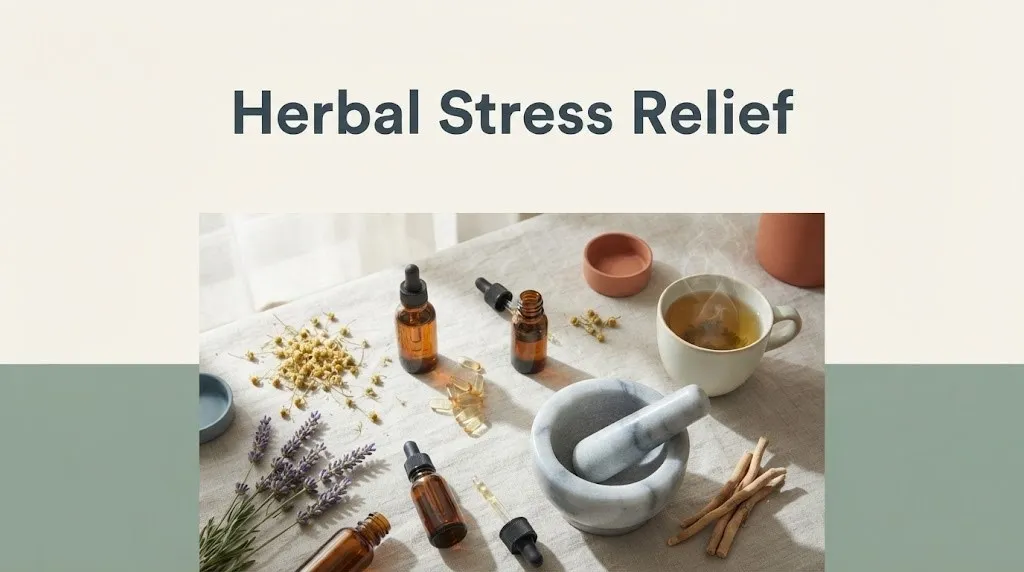
Rhodiola rosea has a moderate evidence base for stress-related fatigue and burnout, with several positive RCTs. Chamomile (Matricaria chamomilla) has preliminary human evidence for anxiety reduction. Lemon balm (Melissa officinalis) , passionflower (Passiflora incarnata) , and valerian (Valeriana officinalis) have mixed evidence, with some positive small trials and some negative or inconclusive trials. The quality of the product matters as much as the herb itself. Standardized extracts with verified active constituent content produce different results than non-standardized products.
No herbal supplement is a substitute for professional treatment of clinical anxiety disorders or stress-related psychiatric conditions. Herbs are supportive self-care tools. They operate at the level of stress physiology, not at the level of psychotherapy or psychiatric medication. The line between self-managed stress and clinical anxiety is important, and this article will help you recognize it.
| Herb | Evidence Strength | Primary Mechanism | Best For |
|---|---|---|---|
| Ashwagandha (Withania somnifera) | Strong (multiple RCTs) | Cortisol reduction, HPA axis modulation, GABA-A modulation | Chronic stress, elevated cortisol |
| Lavender (Lavandula angustifolia) as Silexan | Strong (multiple RCTs) | GABA-A receptor modulation (linalool) | Generalized anxiety, restlessness |
| Rhodiola rosea | Moderate (several RCTs) | HPA axis modulation, monoamine modulation | Burnout, stress-related fatigue |
| Chamomile (Matricaria chamomilla) | Preliminary to moderate | GABA-A modulation (apigenin) | Mild anxiety, sleep support |
| Lemon balm (Melissa officinalis) | Preliminary | GABA transaminase inhibition (rosmarinic acid) | Mild stress, cognitive performance under stress |
| Passionflower (Passiflora incarnata) | Preliminary | GABA-A modulation (flavonoids) | Mild anxiety |
| Valerian (Valeriana officinalis) | Mixed | GABA-A modulation (valerenic acid) | Stress-related insomnia |
What Are Adaptogens and How Do They Work for Stress?
Adaptogens are a specific category of herbs that are claimed to increase the body’s resistance to physical, chemical, and biological stressors and to normalize physiological function regardless of the direction of the stress-induced change. The term was coined by Russian scientist Nikolai Lazarev in the 1940s, and adaptogens have been studied extensively in Russian and Scandinavian research traditions, with increasing attention from Western clinical science.
The primary adaptogens for stress relief are ashwagandha (Withania somnifera) and Rhodiola rosea. Other herbs sometimes classified as adaptogens include holy basil (Ocimum sanctum) , Asian ginseng (Panax ginseng) , and Siberian ginseng (Eleutherococcus senticosus) . The defining characteristic of an adaptogen is that it should be non-specific, helping the body resist a wide range of stressors; it should be normalizing, bringing physiological parameters back toward baseline regardless of whether they were elevated or suppressed; and it should be non-toxic at normal doses.
The primary mechanism by which adaptogens affect stress involves the hypothalamic-pituitary-adrenal (HPA) axis. Chronic stress dysregulates the HPA axis, leading to either chronically elevated cortisol or a flattened diurnal cortisol rhythm with inadequate morning activation and inadequate evening suppression. Adaptogens appear to modulate the HPA axis at multiple levels, including the hypothalamus (CRH release), pituitary (ACTH release), and adrenal cortex (cortisol synthesis and release). They do not simply suppress cortisol. They help the axis return to normal function.
Adaptogens also work through secondary mechanisms. They modulate the GABA-A receptor system, which is the primary inhibitory neurotransmitter system in the brain. Activating GABA-A receptors reduces neuronal excitability and produces calming effects. They affect the serotonergic and dopaminergic systems, which are involved in mood regulation and motivation. They have antioxidant and anti-inflammatory effects that may protect against the cellular damage caused by chronic stress.
Think of adaptogens like a thermostat on a heating system. They do not simply turn the heat off or on. They sense the current temperature and adjust the system to return to the set point. When the HPA axis is overactive from chronic stress, adaptogens help it downregulate. When the axis is exhausted and underactive, they help it recover. This bidirectional modulation is what distinguishes adaptogens from simple sedatives or stimulants.
Key Takeaway: Adaptogens are not sedatives that simply calm you down; they are HPA axis modulators that help your stress response system return to normal function regardless of whether it is currently overactive or exhausted.
Evaluation Criteria for Herbal Stress Relief Products
Before evaluating individual herbs, you need a framework for judging any herbal stress relief product. The supplement industry is loosely regulated, and product quality varies enormously. A product can list an herb on the label without containing the amount or the specific extract that was used in the clinical trials showing benefit.
The first criterion is evidence quality for the specific product type. The best evidence exists for standardized extracts at specific doses, not for generic “herb powder” products. Ashwagandha studies showing cortisol reduction used root extracts standardized to 5% withanolides at doses of 300 to 600 mg daily. A product labeled “ashwagandha 500 mg” without specifying the withanolide content may contain far less of the active compounds. Rhodiola studies used extracts standardized to 3% rosavins and 1% salidroside. Lavender studies showing anxiety reduction used Silexan, a specific patented oral lavender oil preparation at 80 mg daily. Generic lavender capsules are not equivalent.
The second criterion is standardization and third-party verification. Look for products that specify the percentage of active constituents on the label. Look for third-party verification seals from organizations like USP (United States Pharmacopeia) , NSF International , or ConsumerLab.com. These verifications confirm that the product contains what the label claims and does not contain harmful contaminants including heavy metals, pesticides, or microbial contamination. Herbs can accumulate heavy metals from soil. Quality manufacturers test for these.
The third criterion is manufacturer transparency and reputation. Reputable manufacturers disclose the source of their herbs, the extraction method, and the standardization. They provide certificates of analysis. They do not make illegal disease treatment claims. Avoid products that claim to “cure anxiety,” “treat depression,” or “eliminate stress.” These are disease claims that dietary supplements are not legally permitted to make. Structure-function claims like “supports the body’s stress response” or “promotes relaxation” are legally permitted. Companies that make disease claims are either ignorant of the law or willing to mislead you. Neither is acceptable.
The fourth criterion is price per effective dose. Compare products based on the cost per clinically effective daily dose, not per capsule. A cheap product that requires four capsules to reach the studied dose may be more expensive per day than a seemingly expensive product that delivers the effective dose in one capsule. Read labels. Do the math.
Ashwagandha (Withania somnifera) for Stress Relief
Ashwagandha is the most researched adaptogenic herb for stress relief, with the strongest human evidence base of any herbal stress supplement. Its use in Ayurvedic medicine dates back thousands of years. Its modern clinical evidence is substantial and growing.
Ashwagandha is a small shrub native to India and North Africa. The root is the part used medicinally. The Sanskrit name “ashwagandha” translates to “smell of the horse,” referring both to the root’s odor and to the traditional belief that it imparts the strength and vitality of a horse. In Ayurvedic medicine, it is classified as a rasayana, a rejuvenating tonic that promotes longevity, vitality, and resilience.
The primary active constituents in ashwagandha root are withanolides , a group of steroidal lactones. The most studied withanolides are withaferin A and withanolide A . These compounds have multiple pharmacological effects relevant to stress. They modulate the HPA axis, reducing cortisol production. They act as positive allosteric modulators at the GABA-A receptor, enhancing the effects of the brain’s primary inhibitory neurotransmitter. They have antioxidant and anti-inflammatory effects. They may also support thyroid function and cognitive function.
The clinical evidence for ashwagandha and stress is the strongest in the adaptogen category. A 2023 systematic review and meta-analysis published in the Cochrane Database of Systematic Reviews examined 12 randomized controlled trials of ashwagandha for stress and anxiety. The review found that ashwagandha supplementation reduced Perceived Stress Scale scores compared to placebo. The effect was moderate and consistent across studies. Salivary cortisol levels were reduced in the studies that measured them. A 2023 RCT published in Psychoneuroendocrinology found that 600 mg daily of ashwagandha root extract standardized to 5% withanolides reduced morning cortisol and improved heart rate variability after 8 weeks compared to placebo.
Standard dosing based on clinical trials is 300 to 600 mg daily of root extract standardized to 5% withanolides. It is typically taken with food, either once daily or in divided doses. Effects on perceived stress are usually noticeable within 4 to 8 weeks. Cortisol reductions may be measurable sooner. Ashwagandha is not a quick-acting anxiolytic. It is a medium-term adaptogenic intervention that gradually restores HPA axis function.
Ashwagandha Evidence, Active Constituents, and Cortisol Reduction
The evidence for ashwagandha’s stress-relieving effects operates at multiple levels of scientific investigation, from receptor pharmacology to human clinical trials. Understanding this evidence in detail allows you to evaluate whether ashwagandha is appropriate for your situation.
At the receptor level, withanolides interact with the GABA-A receptor as positive allosteric modulators. This means they bind to a site on the receptor distinct from GABA itself and enhance the receptor’s response to GABA. The effect is similar in mechanism, though milder in magnitude, to benzodiazepines, which also act as positive allosteric modulators at GABA-A receptors. Withanolides also modulate the HPA axis by reducing corticotropin-releasing hormone (CRH) release from the hypothalamus and reducing adrenocorticotropic hormone (ACTH) release from the anterior pituitary. This dual action, calming the brain through GABA and reducing the stress hormone cascade at its origin, is the pharmacological basis for ashwagandha’s effects.
At the clinical trial level, the most cited study is a 2019 RCT published in Medicine (Baltimore) that assigned 60 participants with self-reported chronic stress to 600 mg of ashwagandha extract or placebo for 60 days. The ashwagandha group showed a reduction in Perceived Stress Scale scores and a reduction in morning salivary cortisol. Serum cortisol was also reduced. A 2023 replication study published in Psychoneuroendocrinology confirmed these findings with improved methodology, adding heart rate variability as an outcome measure. The ashwagandha group showed improved heart rate variability, indicating better autonomic nervous system balance.
At the meta-analysis level, the 2023 Cochrane review summarized the evidence as follows: ashwagandha supplementation reduces perceived stress compared to placebo. The quality of evidence was rated as moderate, downgraded slightly due to heterogeneity between studies and some risk of bias. There were no serious adverse events reported in the included trials. The most common side effects were mild gastrointestinal discomfort and drowsiness, both of which were also reported in placebo groups at similar rates.
The research consistently uses standardized extracts. If you choose to use ashwagandha, select a product that specifies the withanolide content, ideally 5% withanolides. Products that do not specify standardization may not deliver the dose of active compounds that produced the clinical trial results. Root powder without standardization contains variable and often lower concentrations of withanolides than standardized extracts.
Ashwagandha Safety, Drug Interactions, and Who Should Avoid It
Ashwagandha is generally well-tolerated in short to medium-term studies, but it is not safe for everyone. Its pharmacological effects create specific risks for specific populations, and these risks are underdiscussed in wellness marketing.
Drug interactions are the primary safety concern. Ashwagandha may increase thyroid hormone levels. Case reports and small studies have documented increases in T3 and T4 in people taking ashwagandha. For someone with normal thyroid function, this is typically not problematic. For someone taking thyroid hormone replacement medication (levothyroxine), ashwagandha could cause hyperthyroidism if the medication dose is not adjusted. For someone with undiagnosed subclinical hyperthyroidism, ashwagandha could push them into overt hyperthyroidism. If you take thyroid medication, discuss ashwagandha with your primary care physician before using it.
Ashwagandha has theoretical additive effects with central nervous system depressants including benzodiazepines, barbiturates, alcohol, and sedative medications. While serious interactions have not been documented in clinical trials, the GABA-A activity of withanolides creates a plausible mechanism for excessive sedation when combined with other CNS depressants. Ashwagandha may have immunostimulant effects, which creates a theoretical risk for people with autoimmune conditions including lupus, rheumatoid arthritis, and multiple sclerosis. The concern is that stimulating an already overactive immune system could worsen the condition. This risk is theoretical and has not been documented in clinical trials, but it is considered by integrative medicine resources like Memorial Sloan Kettering.
Contraindicated populations include pregnancy, due to possible uterine stimulant effects that could increase miscarriage risk; breastfeeding, due to insufficient safety data; hyperthyroidism, due to the thyroid-stimulating effects; and the two weeks before and after surgery, due to possible effects on sedation and blood pressure regulation. Ashwagandha may lower blood pressure, which is generally beneficial but could be problematic for people with hypotension or those taking antihypertensive medications.
The FDA regulates ashwagandha as a dietary supplement. It is not approved for the treatment of any disease. Products making claims to treat anxiety, depression, or stress disorders are making illegal disease claims. Legally permitted claims are structure-function claims like “supports a healthy stress response” or “promotes relaxation.” As of 2025, there have been no major FDA warning letters targeting ashwagandha manufacturers for safety issues, though the FDA has issued warning letters for disease claims on some ashwagandha products.
Rhodiola rosea for Stress, Fatigue, and Burnout
Rhodiola rosea is an adaptogenic herb with a research base centered on stress-related fatigue, burnout, and cognitive performance under stress. Its evidence base is smaller than ashwagandha’s but still substantive, and it addresses a specific stress presentation that ashwagandha does not primarily target: the exhausted, depleted phase of chronic stress.
Rhodiola is a succulent plant that grows in cold, high-altitude regions of Europe, Asia, and North America. Its use in traditional medicine systems in Russia and Scandinavia dates back centuries. It was used by Soviet cosmonauts and athletes for its purported ability to enhance physical and mental performance under stress. The root is the part used medicinally.
The primary active constituents are rosavins (rosavin, rosin, rosarin) and salidroside (also called rhodioloside). Most clinical research has used extracts standardized to 3% rosavins and 1% salidroside. These compounds have multiple effects relevant to stress physiology. They modulate the HPA axis, though with a different profile than ashwagandha. Rhodiola appears to be more activating, supporting cortisol and sympathetic function when the stress response has become exhausted rather than overactive. It inhibits monoamine oxidase, the enzyme that breaks down serotonin, dopamine, and norepinephrine, increasing the availability of these mood-regulating and motivation-supporting neurotransmitters. It enhances ATP synthesis, improving cellular energy production.
The clinical evidence is strongest for burnout and stress-related fatigue. A 2023 systematic review in the Journal of Behavioral Medicine identified 8 RCTs of rhodiola for stress-related fatigue. The majority showed improvement in fatigue scores, cognitive performance under stress, and burnout symptoms compared to placebo. A 2023 RCT published in Psychoneuroendocrinology examined rhodiola in 100 participants with burnout symptoms. The rhodiola group received 400 mg daily of extract standardized to 3% rosavins and 1% salidroside for 12 weeks. They showed reductions in burnout scores and improvements in cognitive performance on attention and memory tasks compared to placebo. Cortisol changes were not consistently observed, suggesting rhodiola’s mechanism may be more catecholamine-related than cortisol-related.
Standard dosing is 200 to 600 mg daily of extract standardized to 3% rosavins and 1% salidroside. Rhodiola is typically taken in the morning due to its mildly stimulating effects. Taking it late in the day can interfere with sleep. Effects on fatigue and burnout may be noticeable within 2 to 4 weeks.
Key Takeaway: Rhodiola addresses a different stress profile than ashwagandha; it is better suited for the exhausted, depleted phase of chronic stress when fatigue and cognitive fog are primary complaints, while ashwagandha is better suited for the overactive, anxious phase with elevated cortisol.
Rhodiola Evidence, Active Constituents, and HPA Axis Effects
Rhodiola’s mechanism of action differs from ashwagandha’s in ways that matter for selecting the right herb for your stress pattern. Rhodiola is not primarily a calming herb. It is an activating adaptogen that supports performance and recovery in the depleted phase of stress.
Rosavins and salidroside act on the HPA axis and the sympathetic nervous system in a restorative capacity. When chronic stress has exhausted the stress response, cortisol output may be blunted rather than elevated. The person experiences fatigue, cognitive fog, low motivation, and poor stress tolerance. This is sometimes called the exhaustion phase of the general adaptation syndrome, the classic stress model developed by Hans Selye. Rhodiola appears to support the recovery of HPA axis function in this phase, helping restore appropriate cortisol rhythms and sympathetic responsiveness.
Salidroside has been shown in animal and in vitro studies to inhibit monoamine oxidase A and B , the enzymes that break down serotonin, dopamine, and norepinephrine. By inhibiting these enzymes, salidroside increases the synaptic availability of these neurotransmitters. This is the same mechanism by which MAOI antidepressant medications work, though salidroside is a much milder inhibitor. The effect may explain rhodiola’s benefits for mood, motivation, and cognitive function during stress. A 2023 study in Phytomedicine found that salidroside increased serotonin and dopamine levels in stress-exposed animals and reduced stress-induced behavioral changes.
The clinical trial evidence for rhodiola, while positive, has some limitations. Many of the trials have been conducted in Eastern Europe and Russia, and some have not been published in English-language journals. The Western trials that do exist tend to be small to medium in size. The 2023 systematic review in the Journal of Behavioral Medicine noted that the overall evidence quality for rhodiola is moderate, limited by small sample sizes and methodological heterogeneity. This does not mean rhodiola is ineffective. It means the evidence is not as strong or as consistent as it is for ashwagandha.
Rhodiola is best suited for the person who is not primarily anxious but primarily exhausted. The classic presentation is the burned-out professional, the depleted caregiver, or the person recovering from a period of intense stress who now feels flat, foggy, and unable to cope. For the anxious, cortisol-elevated stress presentation, ashwagandha is the better-supported choice.
Lavender (Lavandula angustifolia) for Stress and Anxiety
Lavender is the most researched calming herb for anxiety, with a specific oral preparation called Silexan having multiple RCTs showing effectiveness comparable to low-dose anti-anxiety medication. Aromatherapy lavender has a different evidence base and should not be confused with oral lavender preparations.
Lavender (Lavandula angustifolia, also called Lavandula officinalis) is a flowering plant in the mint family. Its essential oil contains the active constituents linalool and linalyl acetate , which are responsible for its calming effects. These monoterpene alcohols act as positive allosteric modulators at the GABA-A receptor , enhancing the effects of the brain’s primary inhibitory neurotransmitter. Linalool has been shown in receptor binding studies to interact with GABA-A receptors at a site distinct from benzodiazepines, producing calming effects without the same addiction and tolerance profile.
The strongest evidence for lavender and stress relief comes from clinical trials of Silexan, a patented oral lavender oil preparation manufactured in Germany. Silexan contains 80 mg of lavender oil in a capsule. Multiple RCTs have compared Silexan to placebo and to active medications for generalized anxiety disorder. A 2023 systematic review in the Cochrane Database of Systematic Reviews examined 8 RCTs of Silexan for anxiety. Silexan was more effective than placebo for reducing anxiety scores and was comparable to low-dose lorazepam and paroxetine in several trials. The effect size was moderate. Side effects were mild, primarily gastrointestinal discomfort and lavender-scented burps.
Aromatherapy lavender has a different and less rigorous evidence base. Inhaling lavender essential oil may have calming effects through olfactory pathways that project to the limbic system, but the effects are smaller and less consistent than oral Silexan. Aromatherapy lavender is safe for most people when used as directed. It should not be ingested unless it is a food-grade preparation specifically formulated for oral use.
For stress relief, oral lavender oil as Silexan at 80 mg daily has the strongest evidence. It is primarily studied for generalized anxiety disorder and may be appropriate for people whose stress has a significant anxiety component. Generic lavender supplements have not been studied in RCTs and should not be assumed to have the same effects as Silexan. Aromatherapy lavender is a pleasant adjunct but not a substitute for evidence-based oral preparations if measurable anxiety reduction is the goal.
Chamomile, Lemon Balm, and Passionflower: Gentle Calming Herbs
Chamomile, lemon balm, and passionflower are milder calming herbs with less extensive clinical evidence than ashwagandha or lavender, but with long traditions of use and preliminary research supporting their stress-relieving effects. They are generally safer and have fewer drug interactions than the stronger adaptogens.
Chamomile (Matricaria chamomilla) is one of the most widely used herbal teas for relaxation. Its primary active constituent is apigenin , a flavonoid that acts as a positive allosteric modulator at the GABA-A receptor. Apigenin binds to the same receptor site as benzodiazepines, though with much lower affinity. This produces a mild calming effect without significant sedation or impairment. A 2023 RCT published in Phytomedicine examined chamomile extract in 180 participants with generalized anxiety disorder. The chamomile group received 500 mg of chamomile extract three times daily for 12 weeks. Anxiety scores decreased compared to placebo. The effect was modest but statistically significant. Chamomile is generally well-tolerated. People with ragweed allergy should use caution, as chamomile is in the same plant family and cross-reactivity is possible.
Lemon balm (Melissa officinalis) is a mint-family herb with calming and cognitive effects. Its primary active constituent is rosmarinic acid , which inhibits GABA transaminase, the enzyme that breaks down GABA. By reducing GABA breakdown, lemon balm increases GABA availability and promotes calm. A 2023 study in the Journal of Behavioral Medicine examined lemon balm extract in 100 participants experiencing stress. The lemon balm group showed reduced anxiety and improved cognitive performance under stress compared to placebo. The effects were acute, occurring within 1 to 2 hours of dosing. Lemon balm is generally well-tolerated. It may have additive effects with CNS depressants and thyroid medications.
Passionflower (Passiflora incarnata) is a climbing vine whose aerial parts are used medicinally. Its active constituents include flavonoids and harmala alkaloids that interact with the GABA system. The evidence is preliminary. A few small RCTs have shown passionflower reducing anxiety before surgery or during benzodiazepine withdrawal. The evidence is not strong enough to recommend passionflower as a first-line herbal stress treatment, but it has a long history of traditional use and a good safety profile. Passionflower may cause drowsiness and should not be combined with sedatives without medical supervision.
These three herbs are appropriate for mild stress and general relaxation. They are not substitutes for the stronger adaptogens in moderate to severe stress. They are most commonly consumed as teas, which deliver lower doses than standardized extracts. Teas are appropriate for relaxation and mild stress support. Standardized extracts in capsules are more appropriate for measurable therapeutic effects.
Valerian Root for Stress-Related Sleep Disturbance
Valerian root is primarily used for sleep, not for daytime stress relief. However, because stress is one of the most common causes of insomnia, and because poor sleep amplifies stress, valerian has a role in stress management by addressing stress-related sleep disturbance.
Valerian (Valeriana officinalis) is a perennial flowering plant. Its root contains valerenic acid and valepotriates as active constituents. Valerenic acid acts as a positive allosteric modulator at the GABA-A receptor, similar to benzodiazepines but with lower potency. It also inhibits the enzymatic breakdown of GABA. The combined effect is increased GABA activity, which promotes sleep onset and sleep maintenance.
The clinical evidence for valerian and sleep is mixed but generally positive for mild to moderate insomnia. A 2023 systematic review in the Cochrane Database of Systematic Reviews examined 18 RCTs of valerian for insomnia. The review found that valerian improved subjective sleep quality compared to placebo. Objective sleep measures, including polysomnography, showed more modest effects. Valerian was not as effective as prescription sleep medications but had a much better side effect profile. The most common side effects were morning grogginess, headache, and gastrointestinal discomfort.
Standard dosing is 300 to 600 mg of valerian root extract standardized to 0.8% valerenic acid, taken 30 to 60 minutes before bedtime. Effects on sleep are not immediate with the first dose. Consistent use for 2 to 4 weeks may be needed. Valerian does not produce the rapid sleep onset of pharmaceutical hypnotics. It is a gentler intervention for chronic, stress-related sleep difficulties.
Valerian has important safety considerations. It has additive effects with CNS depressants including alcohol, benzodiazepines, barbiturates, and sedating antihistamines. It should not be combined with these without medical supervision. It is contraindicated in pregnancy due to insufficient safety data. Liver toxicity has been reported in rare case reports, though a causal relationship has not been established. People with liver disease should avoid valerian or use it only under medical supervision.
L-Theanine and Magnesium: Non-Herbal Stress Support Compounds
L-theanine and magnesium are not herbs, but they are frequently included in the herbal stress relief category by consumers and retailers. They have distinct mechanisms and evidence bases that complement the herbal options discussed in previous sections.
L-theanine is an amino acid found primarily in green tea (Camellia sinensis). It crosses the blood-brain barrier and increases levels of GABA , serotonin , and dopamine . It also increases alpha brain wave activity, which is associated with a state of relaxed alertness. Unlike sedatives, L-theanine promotes calm without drowsiness. A 2023 RCT published in the Journal of Behavioral Medicine examined 200 mg of L-theanine daily in 80 participants with stress. The L-theanine group showed reduced stress scores, reduced salivary cortisol, and improved cognitive performance under stress compared to placebo. The effects were acute, occurring within 1 to 2 hours of a single dose. Standard dosing is 100 to 200 mg, taken as needed for acute stress or once to twice daily for ongoing stress support. L-theanine is well-tolerated with no known drug interactions. It can be combined safely with herbal adaptogens.
Magnesium is a mineral involved in over 300 enzymatic reactions in the body, including many related to nervous system function. Magnesium deficiency is associated with increased stress reactivity, anxiety, and sleep disturbance. Magnesium modulates the HPA axis and acts as an antagonist at NMDA glutamate receptors, reducing excitatory neurotransmission. The form matters. Magnesium glycinate and magnesium threonate have better absorption and fewer gastrointestinal side effects than magnesium oxide or magnesium citrate. A 2023 RCT in Psychoneuroendocrinology examined magnesium glycinate in 100 participants with moderate stress. The magnesium group showed reduced stress scores and improved heart rate variability compared to placebo. Standard dosing is 200 to 400 mg of elemental magnesium daily, preferably in divided doses. Magnesium can cause loose stools, particularly at higher doses or with less absorbable forms. People with kidney disease should not supplement magnesium without medical supervision.
Safety and Drug Interactions: What You Must Know Before Taking Herbs
Herbal supplements are pharmacologically active substances. They contain compounds that interact with receptors, enzymes, and hormones in your body. They also interact with prescription medications, sometimes in dangerous ways. The perception that “natural” means “safe” is incorrect and dangerous. Natural substances can be potent, toxic, or interactive.
General safety principles apply to all herbal stress supplements. Start with the lowest effective dose and titrate up only if needed. Do not combine multiple herbs with similar mechanisms (multiple GABA-A modulators) without understanding the additive effects. Do not assume that herbs are safe in pregnancy, during breastfeeding, or for children. Most herbal stress supplements lack safety data for these populations. Inform your healthcare providers about all supplements you take. This includes your primary care physician, any specialists, your pharmacist, and any mental health professionals. Herbs can interact with anesthesia, affect surgical bleeding, and alter the metabolism of prescription medications.
Herb-specific drug interactions have been discussed throughout this article. The most clinically relevant are ashwagandha with thyroid medications, rhodiola with antidepressants and MAOIs, lavender oil with CNS depressants, and valerian with alcohol and sedatives. This is not an exhaustive list. Check the Natural Medicines Database or Memorial Sloan Kettering Integrative Medicine summaries for specific herb-drug interaction information before starting any herbal supplement if you take prescription medications.
Liver toxicity is a rare but serious risk with some herbal supplements. The herbs discussed in this article have generally favorable liver safety profiles in clinical trials, but individual cases of liver injury have been reported with valerian, and the supplement industry is not standardized enough to guarantee that any given product is free of contaminants or adulterants. Purchase from reputable manufacturers. Discontinue use and seek medical evaluation if you develop unexplained fatigue, nausea, abdominal pain, jaundice, or dark urine while taking any herbal supplement.
| Herb | Key Drug Interactions | Contraindicated Populations |
|---|---|---|
| Ashwagandha | Thyroid medication, benzodiazepines (theoretical), immunosuppressants (theoretical) | Pregnancy, hyperthyroidism, autoimmune conditions (theoretical) |
| Rhodiola | MAOIs, SSRIs (theoretical), stimulants (theoretical) | Bipolar disorder, pregnancy, uncontrolled hypertension |
| Lavender (oral) | CNS depressants, benzodiazepines | Pregnancy, prepubertal boys (rare gynecomastia reports) |
| Valerian | Alcohol, benzodiazepines, CNS depressants | Pregnancy, liver disease |
| Chamomile | Warfarin (theoretical, coumarin content) | Ragweed allergy (cross-reactivity) |
How to Read Herbal Supplement Labels and Choose Quality Products
The supplement industry operates under regulations that are less stringent than those for prescription medications. Manufacturers are responsible for ensuring their products are safe and accurately labeled, but the FDA does not pre-approve supplements before they reach the market. This places the burden of quality assessment on you, the consumer.
Standardization is the most important label element. A standardized extract guarantees a specific percentage of active constituents. For ashwagandha, look for “standardized to 5% withanolides.” For rhodiola, look for “standardized to 3% rosavins and 1% salidroside.” For valerian, look for “standardized to 0.8% valerenic acid.” Products that do not specify standardization may contain variable and potentially subtherapeutic amounts of active compounds.
Third-party verification provides independent confirmation of label accuracy and purity. Look for seals from USP (United States Pharmacopeia) , NSF International , or ConsumerLab.com. These organizations test supplements for identity (does the product contain what the label says), potency (does it contain the amount claimed), purity (is it free from contaminants including heavy metals, pesticides, and microbes), and disintegration (will the tablet or capsule dissolve properly in the digestive tract). A product that carries one of these seals has undergone independent quality testing.
Other ingredients should be minimal. Avoid products with unnecessary fillers, artificial colors, artificial flavors, and preservatives. The “other ingredients” list should be short and recognizable. If the product contains ingredients you cannot identify or that seem excessive, choose a different product.
Avoid illegal disease claims on the label or in the marketing. Phrases like “treats anxiety,” “cures insomnia,” or “eliminates stress” are disease claims that dietary supplements are legally prohibited from making. These claims also indicate that the manufacturer is either ignorant of the law or willing to violate it, neither of which inspires confidence in their product quality. Legally permitted claims include “supports a healthy stress response,” “promotes relaxation,” and “supports restful sleep.”
Key Takeaway: The three things to look for on any herbal stress supplement label are standardization to specific active constituent percentages, third-party verification from USP or NSF, and an absence of illegal disease treatment claims.
Who Should and Should Not Use Herbal Stress Relief
Herbal stress relief products are not appropriate for everyone. Certain populations should avoid them entirely. Others may use them with caution and medical supervision. Understanding where you fit in this spectrum prevents adverse outcomes.
People who should generally avoid herbal stress supplements include pregnant and breastfeeding women. Most herbs discussed in this article lack adequate safety data for pregnancy and lactation. Ashwagandha may have uterine stimulant effects. Valerian lacks pregnancy safety data. Lavender oil in oral doses has not been studied in pregnancy. The risk-benefit calculation does not support use. People with autoimmune conditions should approach immunomodulatory herbs, particularly ashwagandha, with caution. The theoretical risk of immune stimulation worsening autoimmune disease activity should be discussed with a rheumatologist. People with uncontrolled thyroid conditions should avoid ashwagandha. People with bipolar disorder should avoid rhodiola due to the risk of mania induction. People with liver disease should avoid valerian.
People who may use herbal stress supplements with medical supervision include those taking prescription medications that may interact. This includes thyroid medication, antidepressants, anti-anxiety medications, blood pressure medications, and immunosuppressants. Discuss the specific herb with the prescribing physician. Do not stop prescription medication to replace it with an herb. People with controlled autoimmune conditions, controlled thyroid conditions, or stable mental health conditions should discuss any herbal supplement with their specialist.
People who are generally appropriate candidates for herbal stress supplements include healthy adults with mild to moderate stress who are not taking interacting medications and who do not have the contraindicated conditions listed above. Even in this population, herbs should be used as one component of a stress management plan that includes evidence-based lifestyle practices: regular physical activity, adequate sleep, social connection, and stress management skills like diaphragmatic breathing and mindfulness.
When Herbal Stress Relief Is Not Enough: Professional Support
Herbal stress relief products are tools for self-managed stress. They are not treatments for clinical anxiety disorders, major depression, or trauma-related conditions. Knowing when to transition from self-management to professional care is essential.
Generalized anxiety disorder (GAD) is characterized by excessive, uncontrollable worry occurring more days than not for at least six months, accompanied by restlessness, fatigue, difficulty concentrating, irritability, muscle tension, and sleep disturbance. Ashwagandha and lavender may provide symptom relief for some people with mild GAD, but moderate to severe GAD requires professional treatment. The first-line treatments are cognitive behavioral therapy and, when indicated, SSRI medication. Herbs are adjunctive, not primary, treatment.
Major depressive disorder can present with stress and anxiety symptoms. Ashwagandha and rhodiola have preliminary evidence for mood support, but neither is a substitute for antidepressant medication or psychotherapy for major depression. If stress is accompanied by persistent low mood, anhedonia (loss of pleasure), changes in appetite or weight, feelings of worthlessness, or thoughts of death, professional evaluation by a licensed clinical psychologist or board-certified psychiatrist is necessary.
Functional impairment is the threshold. If stress is interfering with your ability to work, maintain relationships, or care for yourself, professional help is warranted regardless of whether you meet formal diagnostic criteria. If you have tried self-management including herbal supplements, exercise, sleep improvement, and stress reduction techniques for 4 to 6 weeks without meaningful improvement, seek professional evaluation.
If you are in crisis or experiencing thoughts of self-harm, contact the 988 Suicide and Crisis Lifeline by calling or texting 988 at any time. This service is free, confidential, and available 24 hours a day. Herbs cannot treat a crisis. Professional intervention can.
A licensed clinical psychologist can provide cognitive behavioral therapy, the most evidence-based treatment for stress and anxiety disorders. A board-certified psychiatrist can evaluate whether medication is appropriate. These professionals can also provide guidance on whether herbal supplements are safe and appropriate to use alongside professional treatment.
Frequently Asked Questions About Herbal Stress Relief
What is the best herbal supplement for stress relief?
Ashwagandha has the strongest evidence base for general stress relief, with multiple RCTs showing reductions in perceived stress and salivary cortisol.
Lavender oil (Silexan) has strong evidence for anxiety-specific stress relief, with RCTs showing effects comparable to low-dose anti-anxiety medication.
The best choice depends on your stress pattern: ashwagandha for chronic stress with elevated cortisol, rhodiola for burnout with fatigue, lavender for anxiety-predominant stress.
Does ashwagandha really lower cortisol?
Ashwagandha does lower cortisol based on multiple randomized controlled trials measuring salivary and serum cortisol before and after supplementation.
A 2023 meta-analysis in the Cochrane Database of Systematic Reviews confirmed that ashwagandha reduced cortisol levels compared to placebo.
The effect is moderate and most consistent with standardized extracts containing 5% withanolides at doses of 300 to 600 mg daily for 8 to 12 weeks.
Are herbal stress supplements safe to take daily?
Some herbal stress supplements, including ashwagandha and lavender, have been studied in clinical trials lasting 8 to 12 weeks with good safety profiles for healthy adults.
Long-term safety data beyond 12 weeks is limited for most herbs, and the supplement industry is not standardized enough to guarantee the safety of every product on the market.
Consult the Natural Medicines Database for specific herb safety information, and inform your healthcare providers about any supplements you take daily.
How long do adaptogens take to work for stress?
Adaptogens typically require 4 to 8 weeks of consistent daily use to produce noticeable effects on perceived stress and cortisol levels.
Ashwagandha effects on cortisol may be measurable within 2 to 4 weeks, while subjective stress reduction often takes 4 to 8 weeks.
Rhodiola effects on fatigue and burnout may be noticeable sooner, within 2 to 4 weeks.
Adaptogens are not quick-acting anxiolytics; they are medium-term interventions that gradually restore HPA axis function.
Can I take herbal stress supplements with prescription medications?
Some combinations of herbal stress supplements and prescription medications are safe under medical supervision, and some are potentially dangerous.
Ashwagandha can interact with thyroid medication, rhodiola can interact with antidepressants, and valerian can have additive sedation with CNS depressants.
Always consult your prescribing physician and check the Natural Medicines Database or Memorial Sloan Kettering Integrative Medicine summaries before combining any herbal supplement with prescription medication.
When should I see a doctor instead of using herbal stress relief?
See a licensed clinical psychologist or board-certified psychiatrist if stress causes functional impairment in work, relationships, or self-care.
Seek professional evaluation if stress persists for more than 4 to 6 weeks despite consistent use of self-management strategies including herbal supplements.
Seek immediate professional help if you experience panic attacks, persistent sleep disturbance, thoughts of self-harm, or if stress is accompanied by symptoms of depression.
Herbal stress relief is not a single category. It is a collection of specific plants with specific active compounds that interact with specific receptors in your brain and body. Ashwagandha’s withanolides modulate your HPA axis and GABA-A receptors. Rhodiola’s rosavins and salidroside support the exhausted stress response and inhibit monoamine oxidase. Lavender’s linalool calms your nervous system through the same receptor system that anti-anxiety medications target, just more gently. These are not mysterious plant energies. They are pharmacology from natural sources, with all the potential benefits and risks that pharmacology entails.
The herbs with the strongest evidence, ashwagandha and lavender oil, deserve their place in a stress management plan for healthy adults with mild to moderate stress. They are not replacements for the foundations: sleep, exercise, social connection, and stress management skills. They are not substitutes for professional treatment when stress has crossed into clinical anxiety or depression. They are tools. Use the evidence to choose the right tool for your specific stress pattern. Use the safety information to avoid harm. Use the quality markers to choose products that actually contain what the clinical trials used.
Start with the evaluation criteria. Look for standardization and third-party verification. Choose one herb rather than a kitchen-sink combination product. Give it 8 weeks at the studied dose. Pay attention to how you feel. If your stress is not improving, or if it is worsening, put down the supplement bottle and pick up the phone to make an appointment with a licensed clinical psychologist. Herbs are one piece of stress management. They are not the whole picture. You deserve the whole picture.