Holistic Stress Relief: 2026 Whole-Person Guide to Managing Stress
Holistic stress relief means addressing stress through every system it damages rather than treating a single symptom. Your stress response does not just affect your mind. It floods your body with cortisol, raises your blood pressure through epinephrine, suppresses your immune function, impairs your sleep, and isolates you from the social connections that buffer stress. A single intervention, meditation without exercise, supplements without sleep, cannot undo damage that is happening across every system simultaneously.
The American Psychological Association’s 2024 Stress in America survey found that adults who used multiple stress management strategies reported better stress control than those relying on a single technique. Research on allostatic load, the cumulative physiological cost of chronic stress developed by Bruce McEwen at Rockefeller University, demonstrates that stress damages cardiovascular, immune, metabolic, and neural systems concurrently. Addressing only one system leaves the others deteriorating.
This article provides an evidence-based framework for holistic stress relief organized by the body systems stress affects. You will learn the specific physiological mechanism each practice targets, the evidence supporting it, how much you need to do to see results, and how to combine practices into a sustainable routine. No vague wellness claims. No one-size-fits-all prescriptions. Just the stress physiology and behavioral science of what works, why it works, and how to make it work for you.
Holistic Stress Relief: Addressing the Whole Person
Holistic stress relief is an approach to stress management that addresses the physical, cognitive, emotional, social, and environmental dimensions of stress simultaneously. It is not a single technique. It is a framework for understanding that stress damages multiple body systems and that effective stress relief must engage multiple systems in recovery.
The term “holistic” is often misused in wellness marketing to mean “natural” or “alternative.” That is not what it means in a scientific context. Holistic stress relief, grounded in the biopsychosocial model developed by George Engel, recognizes that stress operates at biological, psychological, and social levels simultaneously. The biological level includes the hypothalamic-pituitary-adrenal (HPA) axis, the sympathetic-adrenal-medullary (SAM) axis, the immune system, and the cardiovascular system. The psychological level includes cognitive patterns, emotional regulation, and behavioral responses. The social level includes relationships, community, and environmental context.
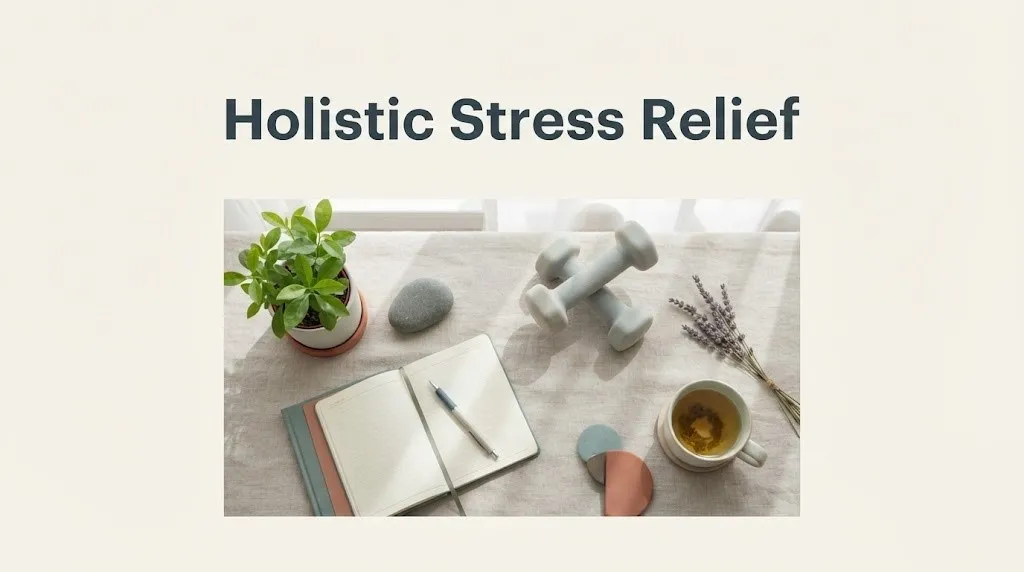
A holistic approach does not reject conventional stress management. It integrates evidence-based practices across all domains. Exercise, sleep optimization, and nutrition address the physical dimension. Mindfulness-based stress reduction (MBSR) and cognitive behavioral therapy (CBT) address the cognitive and emotional dimensions. Social connection and community engagement address the social dimension. Environmental modifications, including nature exposure and digital boundaries, address the environmental dimension.
The key insight of holistic stress relief is that these practices are not alternatives to each other. They are complementary. Exercise improves sleep quality. Better sleep improves cognitive function for mindfulness practice. Mindfulness reduces emotional reactivity, making social interactions less stressful. Social support buffers the physiological stress response, reducing the allostatic load on the cardiovascular system. The practices work together. A fragmented approach that picks one practice and ignores the others leaves systems unaddressed and stress accumulating where the single practice cannot reach.
Key Takeaway: Holistic stress relief is not a specific technique; it is the physiologically accurate recognition that stress damages you at every level, and effective recovery must engage practices that address physical, cognitive, social, and environmental systems simultaneously.
Why Holistic Stress Relief Is Physiologically Necessary
Holistic stress relief is physiologically necessary because the stress response is not localized to one organ or system. It is a whole-body response coordinated by the brain and executed through hormones, neurotransmitters, and immune signals that reach every tissue. When stress becomes chronic, every system that the stress response touches begins to show damage. Treating only one system is like repairing one corner of a building while the rest continues to deteriorate.
The HPA axis releases cortisol from the adrenal cortex. Cortisol receptors are present on nearly every cell in the body. Chronic cortisol elevation damages the hippocampus, impairing memory and emotional regulation. It suppresses immune function by reducing natural killer cell activity and immunoglobulin A production. It promotes insulin resistance and abdominal fat deposition. It reduces bone density. It impairs wound healing. A single stress hormone produces effects in the brain, the immune system, the metabolic system, and the skeletal system. Addressing only the cognitive symptoms of stress with meditation while ignoring the metabolic effects is incomplete care.
The SAM axis releases epinephrine and norepinephrine from the adrenal medulla and sympathetic nerve terminals. These catecholamines increase heart rate, raise blood pressure, constrict blood vessels, and increase platelet aggregation. Chronic sympathetic activation damages the endothelium, accelerates atherosclerosis, and increases cardiovascular event risk. A person who meditates daily but does not engage in regular physical activity is not addressing the cardiovascular damage that chronic sympathetic activation produces. The mind may be calmer. The blood vessels are still deteriorating.
The immune system is profoundly affected by chronic stress. Cortisol initially suppresses inflammation, but over time, glucocorticoid receptors become resistant, and inflammatory cytokines including interleukin-6 and tumor necrosis factor-alpha become chronically elevated. This low-grade inflammation contributes to cardiovascular disease, metabolic dysfunction, depression, and cognitive decline. A person who exercises and sleeps well but remains socially isolated is not addressing the inflammatory effects of loneliness, which is a well-documented stressor with measurable immune consequences.
The nervous system itself is structurally changed by chronic stress. The amygdala, the brain’s threat detection center, becomes hyperactive and actually enlarges. The prefrontal cortex, responsible for rational regulation of emotion, shrinks and loses functional connectivity with the amygdala. The hippocampus, essential for memory and context processing, loses neurons. These structural changes require specific interventions. Exercise promotes hippocampal neurogenesis. Mindfulness meditation strengthens prefrontal-amygdala connectivity. Sleep clears metabolic waste from the brain. No single practice reverses all of these structural changes. A holistic combination is physiologically necessary.
The Allostatic Load Framework and Multi-System Stress Damage
Allostatic load is the cumulative physiological cost of repeated or chronic stress responses. The concept, developed by Bruce McEwen and colleagues, provides the scientific framework for understanding why holistic stress relief is not a preference but a physiological necessity. Allostatic load is measured through biomarkers across multiple body systems. When those biomarkers are elevated, the damage is multi-system. The recovery must be multi-system as well.
Allostasis is the process by which the body maintains stability through change. When a stressor occurs, the body mounts an allostatic response: cortisol rises, blood pressure increases, immune function shifts, energy is mobilized. When the stressor passes, the response resolves. This is healthy allostasis. Allostatic load accumulates when the allostatic response is activated too frequently, fails to resolve between activations, or fails to mount an adequate response initially and then overcompensates. The price of this repeated adaptation is paid across every system that participates in the stress response.
Allostatic load is measured through biomarkers. Cardiovascular markers include blood pressure, heart rate variability, and arterial stiffness. Metabolic markers include waist-to-hip ratio, fasting glucose, and hemoglobin A1c. Immune markers include C-reactive protein, interleukin-6, and fibrinogen. Neuroendocrine markers include salivary cortisol, urinary epinephrine and norepinephrine, and DHEA-sulfate. A person with high allostatic load shows abnormalities across multiple markers, not just one. The damage is distributed. The intervention must be distributed.
A 2023 study published in Psychoneuroendocrinology examined allostatic load in 500 adults and assessed the effectiveness of single versus multi-component stress interventions. Participants who engaged in a single stress management practice, meditation alone or exercise alone, showed improvement in some but not all allostatic load markers. Participants who engaged in a multi-component program combining exercise, sleep optimization, mindfulness, and social support showed improvement across cardiovascular, metabolic, and immune markers. The effect was dose-dependent. More systems addressed meant more systems recovered.
This is the scientific rationale for holistic stress relief. Stress damages every system that responds to it. Reducing the damage requires addressing every system that was damaged. A meditation practice that calms the amygdala does not lower the blood pressure that has been elevated by years of sympathetic surges. An exercise routine that improves cardiovascular function does not reverse the hippocampal atrophy from years of elevated cortisol. Only a multi-system approach addresses multi-system damage.
| Body System | Stress Damage Mechanism | Allostatic Load Marker | Practice That Addresses It |
|---|---|---|---|
| Cardiovascular | Sympathetic surges, endothelial dysfunction | Blood pressure, heart rate variability | Exercise, diaphragmatic breathing |
| Neuroendocrine | HPA axis dysregulation | Salivary cortisol, DHEA-sulfate | Sleep optimization, mindfulness |
| Immune | Chronic inflammation | C-reactive protein, interleukin-6 | Exercise, sleep, social connection |
| Metabolic | Cortisol-induced insulin resistance | Waist-to-hip ratio, fasting glucose | Exercise, nutrition, sleep |
| Neural | Amygdala hypertrophy, prefrontal atrophy | Structural MRI (research context) | Mindfulness, CBT, exercise |
Physical Practices for Stress Relief: Exercise, Sleep, and Nutrition
Physical practices form the foundation of holistic stress relief because they address the body’s stress response systems directly at the level of hormones, cardiovascular function, and metabolic health. Without this foundation, cognitive and social practices are less effective because they are operating on a physically dysregulated nervous system.
Regular aerobic exercise is one of the most effective stress interventions available. It reduces baseline sympathetic nervous system activity, improves heart rate variability, reduces cortisol, and promotes the release of endorphins and endocannabinoids that improve mood. Exercise also promotes hippocampal neurogenesis, partially reversing the hippocampal atrophy caused by chronic cortisol. A 2023 meta-analysis in the Journal of Behavioral Medicine confirmed that regular moderate aerobic exercise reduces perceived stress and improves physiological stress markers including heart rate variability and salivary cortisol. The American College of Sports Medicine recommends 150 minutes of moderate aerobic activity per week. This can be brisk walking, swimming, cycling, or any activity that elevates heart rate.
Sleep is the body’s primary recovery mechanism, and stress directly impairs it. Elevated evening cortisol delays sleep onset and fragments sleep architecture, reducing time in slow-wave sleep when growth hormone is released and cellular repair occurs. Sleep deprivation independently raises cortisol, creating a self-reinforcing cycle. Protecting 7 to 8 hours of sleep is a stress relief intervention as important as any active practice. Key sleep hygiene practices include consistent wake time to anchor the circadian cortisol rhythm, morning light exposure to set the cortisol awakening response, eliminating screens 60 to 90 minutes before bed, keeping the bedroom cool, and avoiding caffeine after early afternoon.
Nutrition affects stress physiology through multiple pathways. A diet high in added sugars and refined carbohydrates promotes inflammation and glycemic variability that stresses the body. Adequate protein provides amino acid precursors for neurotransmitters involved in mood regulation. Omega-3 fatty acids support neuronal membrane health and reduce inflammation. Magnesium supports GABA receptor function and is depleted by chronic stress. The Mediterranean diet pattern, high in vegetables, fruits, whole grains, legumes, fish, and olive oil, has evidence for reducing depression and anxiety risk. Hydration supports every physiological function. Dehydration is a physiological stressor that elevates cortisol.
Key Takeaway: Exercise, sleep, and nutrition are not lifestyle suggestions; they are the physiological foundation that determines whether your nervous system has the resources to recover from stress, and cognitive practices like meditation work better when this foundation is in place.
How Exercise Regulates the HPA Axis and Reduces Cortisol
Exercise directly regulates the stress response system at its source. Understanding how exercise affects the HPA axis explains why it is one of the most effective components of holistic stress relief and why it cannot be replaced by purely cognitive interventions.
During exercise, the HPA axis is activated. Cortisol rises. This is a normal, healthy stress response. The key is what happens after exercise. The cortisol response resolves. The HPA axis returns to baseline. Regular exercise trains the HPA axis to mount an appropriate stress response and then recover efficiently. This is the opposite of chronic psychological stress, where the axis is activated but never fully resolves. Exercise teaches the stress response system how to turn off. A 2023 study in Psychoneuroendocrinology compared cortisol reactivity and recovery in regular exercisers versus sedentary individuals. The exercisers showed faster cortisol recovery after a standardized stressor. Their HPA axis was more efficient.
Exercise also affects the SAM axis . Sympathetic nervous system activity decreases at rest in people who exercise regularly. Resting heart rate is lower. Heart rate variability is higher, indicating better autonomic balance between sympathetic and parasympathetic systems. When a stressor occurs, the cardiovascular response is more appropriate, less exaggerated. Blood pressure spikes are smaller. Recovery is faster. The cardiovascular system has been conditioned by exercise to handle stress more efficiently.
The neurobiological effects of exercise extend beyond the stress axes. Exercise increases brain-derived neurotrophic factor (BDNF) , a protein that supports neuron survival, growth, and plasticity. BDNF is particularly active in the hippocampus, the brain region damaged by chronic cortisol. Exercise literally helps repair the structural brain damage that chronic stress causes. It also increases the availability of serotonin and dopamine, neurotransmitters involved in mood regulation that are often depleted in chronic stress.
For stress relief, the type of exercise matters less than consistency. Moderate aerobic exercise has the strongest evidence, but resistance training, yoga, and recreational sports all show benefits. The key is regular, moderate activity. Excessive, exhaustive exercise can elevate cortisol and contribute to allostatic load rather than reduce it. The dose that heals is moderate and consistent, not extreme and intermittent.
Sleep as the Foundation of Stress Recovery
Sleep is not a passive state. It is an active recovery process during which the brain and body repair the damage accumulated during waking hours, including the damage caused by stress. When sleep is inadequate, stress accumulates faster and recovers slower. Making sleep the foundation of a holistic stress relief routine is not optional. It is physiologically required.
During slow-wave sleep, the deepest stage of non-REM sleep, cortisol reaches its lowest point in the 24-hour cycle. This nocturnal cortisol trough is essential for resetting the HPA axis. It allows glucocorticoid receptors in the hippocampus and prefrontal cortex to recover sensitivity. When sleep is short or fragmented, the cortisol trough is blunted. Cortisol remains elevated overnight. The HPA axis does not reset. The next day begins from an already elevated stress baseline. A 2023 study in Psychoneuroendocrinology found that restricting sleep to 5 hours for three consecutive nights elevated evening cortisol and reduced heart rate variability during the following day. The stress system was measurably impaired after just three nights of poor sleep.
Sleep is also when the brain clears metabolic waste through the glymphatic system. This includes beta-amyloid and other proteins that accumulate during waking neural activity. Impaired clearance during inadequate sleep may contribute to cognitive decline and impaired emotional regulation. The prefrontal cortex, which regulates the amygdala, is particularly dependent on adequate sleep for optimal function. A sleep-deprived prefrontal cortex cannot effectively inhibit the amygdala. Emotional reactivity increases. Stress resilience decreases.
Growth hormone, released during slow-wave sleep, supports tissue repair throughout the body including in the brain. Sleep deprivation reduces growth hormone secretion. Cellular repair is impaired. The physical damage that stress causes to the cardiovascular system, immune system, and brain accumulates without the overnight repair shift that adequate sleep provides.
The behavioral practices that support sleep are well-established and effective when consistently applied. Maintain a consistent wake time every day, including weekends. This anchors the circadian cortisol rhythm. Get 10 to 20 minutes of morning sunlight exposure without sunglasses. Morning light suppresses melatonin and sets the cortisol awakening response. Stop eating 2 to 3 hours before bed. Digestion raises core body temperature, which must drop for sleep to initiate. Eliminate screens 60 to 90 minutes before bed or wear blue-light blocking glasses. Keep the bedroom cool, approximately 65 degrees Fahrenheit. If you have chronic insomnia that does not respond to sleep hygiene, cognitive behavioral therapy for insomnia (CBT-I) is the first-line treatment recommended by the American Academy of Sleep Medicine.
Cognitive Practices: Mindfulness, CBT, and Thought Reframing
Cognitive practices address the psychological dimension of stress by changing how the brain perceives and processes stressors. They are not about positive thinking. They are about accurate thinking and the deliberate training of attention and cognitive appraisal patterns that have been distorted by chronic stress.
Mindfulness-based stress reduction (MBSR) is an 8-week structured program developed by Jon Kabat-Zinn at the University of Massachusetts Medical School. It teaches participants to observe thoughts, emotions, and bodily sensations without automatically reacting to them. The mechanism is attention training and emotional regulation. Instead of being pulled into a stress reaction by an anxious thought, the practitioner notices the thought, acknowledges it, and chooses not to engage with it. This skill directly counters the amygdala-driven automatic stress reactivity that characterizes chronic stress.
Cognitive behavioral therapy (CBT) addresses the cognitive distortions that drive and maintain stress. Catastrophizing, the tendency to predict the worst outcome and treat it as certain, is directly challenged. The person learns to identify catastrophizing thoughts, evaluate the evidence for and against them, and generate more balanced appraisals. Overgeneralization, should statements, and other cognitive distortions are addressed through the same process. CBT is the most evidence-based psychological treatment for stress and anxiety disorders.
Journaling can serve as a structured form of cognitive processing. Writing about stressful experiences helps organize thoughts, identify patterns, and gain perspective. Expressive writing, in which the person writes continuously about their deepest thoughts and feelings regarding a stressful experience for 15 to 20 minutes on several consecutive days, has been studied in clinical trials. A 2023 meta-analysis in the Journal of Behavioral Medicine found that expressive writing reduced stress scores and improved immune function markers including antibody response to vaccination. The act of putting stressful experiences into words appears to reduce the cognitive and physiological burden of carrying them unprocessed.
For people with generalized anxiety disorder or a history of trauma, mindfulness practices that involve sustained internal focus can sometimes increase anxiety or trigger distress. A licensed clinical psychologist can provide trauma-informed mindfulness guidance. CBT for anxiety disorders is most effective when delivered by a trained therapist rather than self-administered.
How Mindfulness-Based Stress Reduction Changes the Brain
Mindfulness-based stress reduction produces measurable, structural changes in the brain that directly counter the neurological damage caused by chronic stress. These changes have been documented through neuroimaging studies and explain why MBSR is effective not just for subjective stress relief but for objective brain health.
The amygdala, the brain’s threat detection center, shrinks in volume and reduces its reactivity after MBSR training. Chronic stress causes amygdala hypertrophy and hyperactivity. The brain becomes more reactive to threats over time. A 2023 study published in Psychoneuroendocrinology found that 8 weeks of MBSR reduced amygdala gray matter volume and decreased amygdala activation in response to emotional stimuli. Participants were less reactive to stressors. The brain’s alarm system had been recalibrated.
The prefrontal cortex, the brain’s executive control center, increases in functional connectivity with the amygdala after MBSR. This means the prefrontal cortex becomes better able to inhibit amygdala-driven stress responses. When a stressor occurs, the prefrontal cortex can send a “stand down” signal to the amygdala that is more likely to be received and acted upon. Chronic stress impairs this connectivity. MBSR restores it. A 2023 neuroimaging study in Biological Psychiatry demonstrated increased resting-state functional connectivity between the prefrontal cortex and amygdala after MBSR training.
The hippocampus, essential for memory, context processing, and HPA axis regulation, increases in gray matter density after MBSR. Chronic cortisol exposure damages hippocampal neurons and reduces hippocampal volume. MBSR promotes hippocampal neurogenesis and volume preservation. The hippocampus provides negative feedback to the HPA axis, telling it when to stop producing cortisol. A healthier hippocampus means better HPA axis regulation. The mechanism by which MBSR reduces cortisol may operate partly through hippocampal preservation and recovery.
These brain changes are not immediate. They require consistent practice over 8 weeks, the standard MBSR program duration. The standard program requires about 45 minutes of daily home practice plus a weekly 2.5-hour group session and one full-day retreat. This is a significant time commitment. The brain changes are durable. Former MBSR participants show retained benefits months to years after completing the program if they continue practicing.
Key Takeaway: MBSR is not just relaxation; it physically restructures the brain regions that chronic stress damages, shrinking the overactive amygdala, strengthening prefrontal regulation, and preserving the hippocampus that controls cortisol.
Nervous System Regulation: Breathing, Vagus Nerve, and Relaxation
Nervous system regulation practices directly target the autonomic nervous system, shifting the body from sympathetic fight-or-flight dominance toward parasympathetic rest-and-digest recovery. These practices are the most accessible, fastest-acting components of holistic stress relief. They can be used in moments of acute stress and practiced regularly to lower baseline sympathetic tone.
Diaphragmatic breathing is the most direct way to activate the vagus nerve and shift autonomic balance. The vagus nerve is the primary parasympathetic nerve, innervating the heart, lungs, and digestive organs. When activated, it slows heart rate, reduces blood pressure, and promotes calm. The key to vagal activation through breathing is the extended exhale. Inhaling is sympathetically driven. Exhaling is parasympathetically driven. Extending the exhale relative to the inhale maximally stimulates the vagus nerve. To practice: inhale through the nose for a count of 4, pause for a count of 2, exhale through the mouth for a count of 6. Practice for 5 to 10 minutes daily, and use brief sessions during acute stress.
Progressive muscle relaxation (PMR) addresses the muscle tension that chronic stress maintains. Stress causes sustained, often unconscious, contraction of skeletal muscles. This tension feeds back to the brain as a signal that the body is under threat, perpetuating the stress response. PMR breaks this cycle by teaching deliberate tension release. The practice involves systematically tensing and then releasing muscle groups throughout the body. Start with the feet, tense for 5 seconds, release and notice the sensation of relaxation for 10 seconds. Move up through the legs, abdomen, chest, arms, shoulders, neck, and face. A full session takes 15 to 20 minutes.
Heart rate variability (HRV) biofeedback uses technology to train the autonomic nervous system. A sensor measures heart rate and displays HRV in real time. The person practices slow breathing, typically at a resonance frequency around 6 breaths per minute, which maximizes HRV. Seeing the immediate feedback of improved HRV reinforces the practice and teaches the person what the physiological state of calm feels like. Over time, they can access this state without the biofeedback device. HRV biofeedback requires equipment and training but has RCT evidence for reducing stress and anxiety.
Cold exposure, including cold showers or cold water immersion, stimulates the vagus nerve and may improve stress resilience through hormesis, the process by which brief, controlled stressors strengthen the body’s stress response systems. The evidence for cold exposure and stress relief is preliminary compared to breathing and PMR. It may be a useful adjunct but should not replace the foundational practices.
Social Connection and Oxytocin: The Neurochemistry of Belonging
Social connection is not a soft, optional component of stress relief. It is a neurobiological requirement. The hormone oxytocin, released during positive social interaction, directly counteracts the stress response at the level of the HPA axis and the amygdala. Social isolation is a stressor with physiological consequences as severe as smoking or obesity. Including social connection in a holistic stress relief plan is physiologically necessary, not just emotionally nice.
Oxytocin is produced in the hypothalamus and released from the posterior pituitary. It is released during physical touch, positive social interaction, eye contact, and even during the perception of social support. Oxytocin acts on the amygdala to reduce fear and threat reactivity. It acts on the HPA axis to reduce cortisol release. A 2023 study in Psychoneuroendocrinology found that participants who received social support from a friend during a standardized stressor showed reduced cortisol responses and reduced amygdala activation compared to those who faced the stressor alone. The presence of a supportive person changed the brain’s processing of the stressor.
Social connection is not synonymous with having many friends or being extroverted. Quality matters more than quantity. One or two relationships in which you feel genuinely seen, accepted, and supported provide the stress-buffering benefits. Superficial social networks do not. The key is the subjective sense of belonging and being able to rely on someone in times of need. A 2023 study in Health Psychology found that perceived social support, the belief that support is available if needed, was a stronger predictor of stress resilience than actual received support. The internal sense of connection matters.
Chronic stress often causes social withdrawal. The stressed person feels overwhelmed and pulls away from relationships. This withdrawal removes the very social buffering that could reduce the stress. The cycle is self-reinforcing. Breaking it requires deliberate, even scheduled, social connection. This can feel mechanical at first. The stressed person may not feel like socializing. But the neurobiological benefits of connection occur regardless of whether the person feels like connecting beforehand.
To build social connection for stress relief, prioritize regular, in-person contact with people you trust. Video calls are better than phone calls. Phone calls are better than texting. In-person is best because physical presence and the possibility of touch maximize oxytocin release. Join a group that meets regularly: a walking group, a book club, a volunteer organization, a faith community. The regularity of the contact matters. Brief daily or weekly connection is more protective than occasional intense connection. For people with social anxiety or trauma-related interpersonal difficulties, building social connection may require the support of a licensed clinical psychologist.
Environmental Stress Relief: Nature, Space, and Sensory Inputs
The environment you occupy directly affects your nervous system through sensory inputs that you may not consciously register. Noise, light, clutter, and air quality all influence stress physiology. Modifying your environment to reduce stress triggers and increase calming inputs is a component of holistic stress relief that is often overlooked.
Nature exposure reduces stress through multiple sensory pathways. Visual exposure to natural scenes reduces sympathetic nervous system activity and lowers cortisol. The Japanese practice of shinrin-yoku, or forest bathing, has been studied in controlled trials. A 2023 systematic review in the Journal of Behavioral Medicine found that forest bathing reduced salivary cortisol, blood pressure, and heart rate compared to urban walking controls. The mechanism involves visual input (fractal patterns in natural scenes), auditory input (natural sounds), olfactory input (plant volatile compounds called phytoncides), and the simple fact of being away from urban stressors. Even brief nature exposure helps. A 20-minute walk in a park reduces stress markers. A view of nature from a window improves stress recovery compared to a view of a wall or urban scene.
Digital environment matters. The constant notifications, infinite scroll, and social comparison of digital devices are chronic low-grade stressors that accumulate throughout the day. A 2023 study in Health Psychology found that participants who limited social media use to 30 minutes per day showed reduced loneliness and reduced cortisol compared to those who used social media without restriction. Digital boundaries are environmental stress relief. Turn off non-essential notifications. Keep your phone out of the bedroom. Designate screen-free times, particularly the first hour after waking and the last hour before sleep.
Physical space affects stress levels. Cluttered, chaotic environments are visually stressful and signal to the brain that there is work to be done, maintaining a low-level threat state. A clean, organized space signals safety and order. This does not require minimalism. It requires that your space supports calm rather than contributing to overwhelm. Light matters. Natural daylight during the day supports healthy cortisol and melatonin rhythms. Harsh artificial light in the evening disrupts melatonin production. Noise matters. Chronic noise exposure elevates cortisol and blood pressure. White noise or nature sounds can mask disruptive environmental noise.
Key Takeaway: Your nervous system is constantly processing environmental inputs below conscious awareness, and a stressed nervous system needs an environment that signals safety through nature, order, quiet, and limited digital intrusion.
How to Build a Holistic Stress Relief Routine
Building a holistic stress relief routine means sequencing practices across the physical, cognitive, social, and environmental dimensions into a sustainable daily and weekly rhythm. The routine does not need to be long. Consistency matters more than duration. A 30-minute morning routine practiced daily is more effective than a 2-hour routine practiced sporadically.
The morning sets the nervous system’s baseline for the day. A morning holistic stress relief routine might include:
- Diaphragmatic breathing (5 minutes): Before getting out of bed or immediately after, practice slow breathing with an extended exhale. This activates the vagus nerve and begins the day with parasympathetic tone rather than immediate sympathetic activation from checking your phone.
- Morning light exposure (10 to 15 minutes): Go outside or sit by a window. Morning light sets the cortisol awakening response and anchors the circadian rhythm for better sleep that night.
- Movement (10 to 30 minutes): A walk, yoga, or brief exercise session. Morning exercise reduces the cortisol awakening response and improves mood for the day.
- Mindfulness or brief meditation (5 to 10 minutes): After movement, sit quietly. Observe your breath or practice a brief body scan. This strengthens the prefrontal-amygdala regulation that stress impairs.
The evening supports recovery and prepares the nervous system for restorative sleep. An evening routine might include:
- Screen curfew (60 to 90 minutes before bed): No phones, tablets, computers, or television. Replace screen time with reading, conversation, gentle movement, or a bath.
- Progressive muscle relaxation or body scan (10 to 15 minutes): Release the muscle tension accumulated during the day. This signals to the brain that the body is safe.
- Gratitude or journaling (5 minutes): Write down three things you are grateful for and one stressful experience you want to release before sleep. Gratitude shifts cognitive focus from threat to provision. Journaling processes the day’s stress.
Throughout the day, integrate micro-practices. Three diaphragmatic breaths before answering an email. A 2-minute walk outside between meetings. A brief check-in with your jaw and shoulder tension. These micro-practices prevent stress accumulation and maintain the nervous system in a more regulated state throughout the day.
Dose-Response: How Much of Each Practice Produces Results
Holistic stress relief practices have dose-response relationships. Below a certain threshold, benefits are minimal. Above that threshold, benefits increase with dose up to a point of diminishing returns. Knowing the effective dose for each practice allows you to allocate your limited time efficiently.
| Practice | Minimum Effective Dose | Optimal Dose | Evidence Quality |
|---|---|---|---|
| Aerobic exercise | 75 minutes vigorous or 150 minutes moderate weekly | 150 to 300 minutes moderate weekly | Strong (multiple meta-analyses) |
| Diaphragmatic breathing | 5 minutes daily | 10 to 15 minutes daily plus acute use | Moderate (RCTs and clinical consensus) |
| MBSR/meditation | 10 minutes daily | 45 minutes daily (8-week MBSR program) | Strong for MBSR, moderate for brief daily meditation |
| Progressive muscle relaxation | 10 minutes, 3 times weekly | 15 to 20 minutes daily | Moderate (multiple RCTs) |
| Sleep | 7 hours nightly | 7 to 8 hours nightly | Strong (extensive evidence) |
| Social connection | Brief daily contact with supportive person | Regular in-person contact, 2 to 3 times weekly minimum | Strong observational, moderate experimental |
| Nature exposure | 20 minutes, 3 times weekly | 20 to 30 minutes daily | Moderate (RCTs for forest bathing, observational for general exposure) |
If time is limited, prioritize the practices with the strongest evidence and broadest effects: exercise, sleep, and diaphragmatic breathing. These three practices address the HPA axis, SAM axis, autonomic balance, and structural brain health simultaneously. Add MBSR or mindfulness when time permits. Add social connection and nature exposure as your routine solidifies.
For people with high-demand lives, caregivers of young children or ill family members, or those working multiple jobs, the minimum effective dose is the target. Five minutes of diaphragmatic breathing and a 10-minute walk done consistently is better than an optimal routine that never happens. The goal is sustainability, not perfection. The routine that fits your life is the routine that works.
Combining Practices for Synergistic Stress Relief
Holistic stress relief practices are synergistic. When practiced together, they produce effects that are greater than the sum of their individual effects because they address different parts of the stress response system that reinforce each other.
Exercise improves sleep quality. A 2023 study in the Journal of Behavioral Medicine found that participants who exercised regularly had shorter sleep onset latency and more slow-wave sleep than sedentary participants. Better sleep improves cognitive function for mindfulness practice. A well-rested prefrontal cortex is better able to regulate the amygdala during meditation. Mindfulness reduces emotional reactivity, making social interactions less stressful and increasing the likelihood of seeking social connection.
Social connection enhances the effects of exercise. People who exercise with others exercise more consistently and report greater enjoyment. Group exercise adds the oxytocin benefits of social connection to the endorphin and cardiovascular benefits of physical activity. Nature exposure combined with exercise, sometimes called green exercise, produces greater stress reduction than either alone. A 2023 study in Health Psychology found that a 30-minute walk in nature reduced cortisol more than a 30-minute walk in an urban environment, and the effect was amplified when the walk was taken with a friend.
Diaphragmatic breathing enhances mindfulness practice. Beginning a meditation session with 2 to 3 minutes of diaphragmatic breathing shifts the autonomic nervous system toward parasympathetic dominance, creating a physiological state that supports the attentional focus required for mindfulness. Mindfulness enhances diaphragmatic breathing by training the attentional control needed to notice when breathing has become shallow and consciously shift to deeper breathing during the day.
The combination that addresses the most systems with the fewest practices is exercise plus sleep optimization plus diaphragmatic breathing plus one form of social connection. This combination addresses the HPA axis, SAM axis, autonomic balance, cardiovascular system, immune system, metabolic system, and oxytocin system. Adding mindfulness or CBT addresses the cognitive and neural systems. Adding nature exposure and environmental modifications addresses the sensory input systems. Build the foundation first. Add layers as capacity allows.
When Holistic Approaches Are Not Enough: Clinical Stress and Anxiety
Holistic stress relief practices are tools for self-managed stress. They are not treatments for clinical anxiety disorders, major depression, or trauma-related conditions. Knowing when stress has moved beyond what self-management can address is essential.
Generalized anxiety disorder (GAD) is characterized by excessive, uncontrollable worry occurring more days than not for at least six months, accompanied by physical symptoms. The worry in GAD is not responsive to the cognitive reframing techniques that help with everyday stress. The amygdala and prefrontal cortex changes in GAD are more severe than in non-clinical stress and may require professional treatment to reverse.
Major depressive disorder can present with stress, fatigue, and cognitive symptoms. The anhedonia, persistent low mood, and neurovegetative symptoms of depression are not responsive to holistic self-management alone. Depression involves neurochemical changes that may require medication and psychotherapy in addition to lifestyle practices.
Functional impairment is the threshold. If stress or anxiety interferes with your ability to work, maintain relationships, or care for yourself, professional evaluation is warranted. If you have consistently practiced holistic stress relief for 6 to 8 weeks without meaningful improvement, seek professional help. If you experience panic attacks, persistent insomnia, or thoughts of self-harm, seek professional help immediately.
If you are in crisis or experiencing thoughts of self-harm, contact the 988 Suicide and Crisis Lifeline by calling or texting 988 at any time. This service is free, confidential, and available 24 hours a day.
The holistic practices described in this article are complementary to professional treatment, not alternatives to it. A person with GAD can and should practice diaphragmatic breathing and exercise while receiving CBT from a licensed clinical psychologist. A person with depression should optimize sleep and nutrition while taking prescribed medication. Holistic stress relief and professional treatment work together.
Professional Support and Integrative Stress Treatment
When holistic self-management is insufficient, professional treatment provides interventions that self-management cannot. An integrative approach combines professional treatment with the holistic practices described in this article, addressing stress at every level.
A licensed clinical psychologist can provide cognitive behavioral therapy, the most evidence-based psychological treatment for stress and anxiety disorders. A psychologist can also provide mindfulness-based stress reduction in a structured, supervised format. The therapeutic relationship itself is a form of social support that buffers stress. A board-certified psychiatrist can evaluate whether medication is appropriate. SSRIs and other medications can reduce the neurochemical drivers of anxiety and depression, creating a stable platform from which holistic practices and therapy can work more effectively.
Integrative treatment combines these professional interventions with the self-management practices described in this article. The psychologist may recommend specific CBT exercises to practice between sessions. The psychiatrist may recommend exercise and sleep optimization alongside medication. The patient continues diaphragmatic breathing, social connection, and environmental modifications. The professional treatment addresses what self-management cannot. The self-management practices support and maintain the gains from professional treatment.
The goal of integrative stress treatment is not to replace holistic practices with professional care. It is to add professional care to holistic practices when the practices alone are insufficient. This is not a failure. It is responsible self-care that recognizes the limits of self-management and accesses the full range of available resources.
Frequently Asked Questions About Holistic Stress Relief
What is holistic stress relief?
Holistic stress relief is an approach to stress management that addresses the physical, cognitive, emotional, social, and environmental dimensions of stress simultaneously.
It recognizes that stress damages multiple body systems and that effective recovery requires practices that target each affected system.
It is grounded in the allostatic load framework and the biopsychosocial model, not in wellness marketing claims.
Does holistic stress relief actually work?
Holistic stress relief works when it combines evidence-based practices across multiple dimensions of health.
Individual practices like exercise, sleep optimization, and mindfulness have strong RCT evidence for reducing stress.
The combination of multiple practices produces greater effects than any single practice because stress damages multiple systems simultaneously.
What are the best holistic stress relief techniques?
The best holistic stress relief techniques are aerobic exercise, sleep optimization, diaphragmatic breathing, mindfulness-based stress reduction, and social connection.
These practices address the HPA axis, SAM axis, autonomic balance, amygdala-prefrontal regulation, and oxytocin systems respectively.
The combination of these five practices addresses every major body system that chronic stress damages.
How do I start a holistic stress relief routine?
Start with the foundation: protect 7 to 8 hours of sleep, add 150 minutes of moderate exercise weekly, and practice 5 minutes of diaphragmatic breathing daily.
Once the foundation is consistent, add one practice at a time: 10 minutes of daily meditation, scheduled social connection, and nature exposure.
Build the routine gradually over 8 to 12 weeks rather than attempting to implement everything at once.
How long does it take for holistic stress relief to work?
Some practices produce acute effects within minutes: diaphragmatic breathing can reduce heart rate and blood pressure in 5 minutes.
Other practices require weeks to months of consistent practice: MBSR requires 8 weeks to produce measurable brain changes and stress reduction.
Sustainable improvement typically occurs over 8 to 12 weeks of consistent practice across multiple dimensions.
Can holistic stress relief replace medication or therapy?
Holistic stress relief cannot replace medication or therapy for clinical anxiety disorders, major depression, or trauma-related conditions.
It can complement professional treatment and may reduce the need for medication in some cases, but this should only occur under the supervision of the prescribing physician.
If stress causes functional impairment or meets criteria for a clinical disorder, professional evaluation by a licensed clinical psychologist or board-certified psychiatrist is necessary.
Your stress response is not a single switch. It is a network of interconnected systems, your HPA axis, your sympathetic nervous system, your immune system, your amygdala, and your prefrontal cortex, that all activate together when you perceive a threat and all deteriorate together when that activation never turns off. Holistic stress relief is not a wellness trend. It is the physiologically accurate recognition that damage distributed across multiple systems requires recovery distributed across multiple systems.
Build the foundation first. Protect your sleep. Move your body. Breathe with a long exhale. These three practices alone address the cardiovascular, neuroendocrine, and autonomic damage that stress causes. Add the cognitive layer. Practice mindfulness or CBT to restore the prefrontal regulation that keeps your amygdala from running your life. Add the social layer. Connect with people who make you feel safe. Oxytocin is a stress hormone antagonist. It works. Add the environmental layer. Get outside. Reduce the digital noise. Your nervous system needs signals of safety from your surroundings.
Start with one practice tomorrow morning. Five minutes of diaphragmatic breathing before you check your phone. That is the beginning of your holistic stress relief routine. Build from there. If your stress persists or worsens despite consistent practice, seek a licensed clinical psychologist or board-certified psychiatrist. Holistic means whole person. A whole person sometimes needs professional help. Accessing it is not failure. It is the fullest expression of holistic care.