Stress Relief for Cats: What Actually Works in 2026
Stress relief for cats is not a wellness trend — it is a practical, evidence-grounded need rooted in feline neurobiology, and getting it right makes a measurable difference in your cat’s physical health and behavior. When a cat is chronically stressed, the physiological consequences are real: immune suppression, bladder vulnerability, appetite disruption, and behavioral deterioration that can look like stubbornness or personality change but is actually biology.
According to the American Association of Feline Practitioners (AAFP), stress is one of the most underrecognized contributors to feline illness, particularly feline lower urinary tract disease (FLUTD) and feline idiopathic cystitis (FIC) — conditions that send thousands of cats to emergency veterinary clinics every year with stress as the primary trigger. The AAFP’s environmental needs guidelines explicitly name stress reduction as a first-line intervention.
This article covers what actually happens in a stressed cat’s body, how to read the behavioral and physical signals, and which interventions are supported by veterinary clinical research versus which are popular but unproven. You will also find specific guidance on when home management is enough and when a licensed veterinarian or board-certified veterinary behaviorist needs to step in.
Stress Relief for Cats: What It Means and Why It Matters
Stress relief for cats refers to a set of evidence-supported environmental, behavioral, nutritional, and pharmacological strategies that reduce or prevent chronic activation of a cat’s stress response systems. Unlike dogs, cats are solitary predators with highly specific territorial and social needs. When those needs are not met, or when the environment feels unpredictable or threatening, their stress response activates in ways that have direct, measurable health consequences.
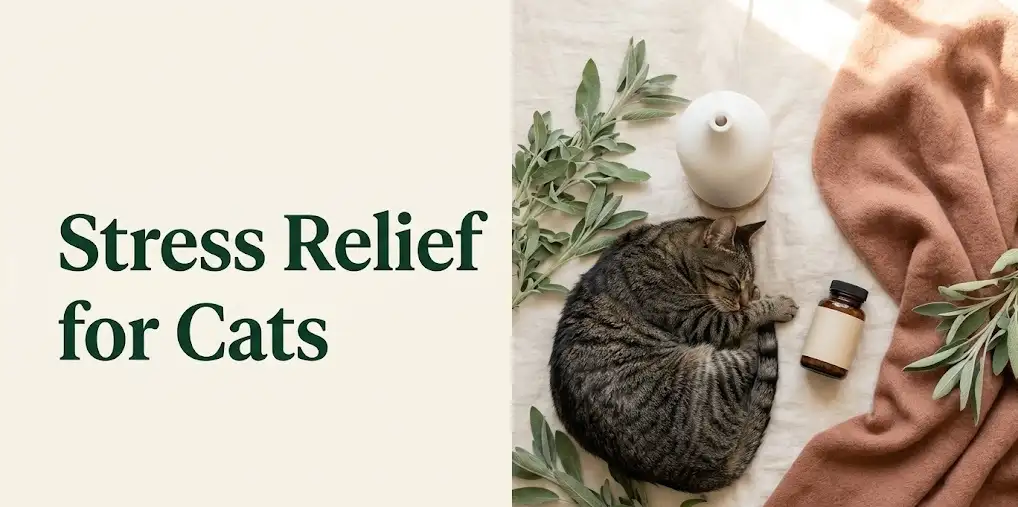
Cats did not evolve as social species that signal distress openly. Their survival strategy historically relied on concealing vulnerability. This means a stressed cat rarely “complains” in obvious ways. The behavioral and physical signs appear subtle until the stress load has already been high for weeks or months.
The International Society of Feline Medicine (ISFM) estimates that a large proportion of cats in single and multi-cat households experience chronic, low-grade stress that goes unrecognized by owners. The gap between how stressed a cat actually is and how stressed its owner perceives it to be is consistently documented in feline welfare research.
Understanding that a stressed cat is not misbehaving but responding to a genuine perceived threat is the essential first step. The physiological machinery driving a stressed cat’s behavior operates on the same fundamental neuroendocrine system that drives stress responses in all mammals, but with cat-specific sensitivities, thresholds, and health consequences.
| Why Cat Stress Is Often Missed | Impact on Health and Behavior |
|---|---|
| Cats hide distress as an evolutionary survival strategy | Stress goes unmanaged until physical illness appears |
| Signs overlap with normal introversion in some cats | Owners mistake chronic stress for personality |
| No vocalization in many stressed cats | No obvious signal that intervention is needed |
| Gradual onset of chronic stress | No single dramatic change event noticed |
The practical takeaway: do not wait for obvious distress signals. Learn the early signs and address the environmental and social causes before the stress load becomes clinically significant.
Signs of Stress in Cats You Should Not Ignore
The most reliable signs of stress in cats fall into three categories: behavioral changes, postural and social withdrawal signals, and physical symptoms with no obvious medical cause. Recognizing these early allows intervention before the stress becomes chronic and physiologically damaging.
The Cat Stress Score (CSS), a validated observational instrument developed by Kessler and Turner (1997) and used widely in veterinary behavioral research, assesses feline stress through posture, body position, eye contact, and behavioral activity. It remains the most referenced feline stress assessment tool in published behavioral medicine literature.
Behavioral signs of stress in cats:
- Hiding in unusual locations or refusing to emerge from hiding spots for extended periods
- Sudden aggression toward people or other pets with no obvious immediate trigger
- Persistent vocalization, especially yowling at night
- Redirected aggression — attacking a nearby person or animal after seeing an outdoor cat through a window
- Freezing or crouching near the ground with ears flattened
- Excessive grooming concentrated on the belly, inner thighs, or base of tail
- Complete appetite loss or reluctance to eat in a familiar location
- Litter box avoidance or urinating outside the box
- Increased facial or body rubbing on environmental surfaces (territorial scent-marking in response to threat perception)
- Staring at walls or appearing to react to stimuli that are not apparent to the owner
Physical signs that may indicate chronic stress:
- Unexplained weight loss without dietary change
- Vomiting or diarrhea with no dietary trigger or infection identified
- Recurring urinary symptoms: straining, blood-tinged urine, frequent small urinations
- Patchy hair loss from overgrooming, particularly symmetrical patches on the belly or flanks
Any combination of three or more of these signs warrants a veterinary evaluation to rule out underlying medical causes before attributing them entirely to stress.
Individual variation is real. A Siamese or Burmese cat may show high-frequency vocalization and overt agitation as stress signals, while a British Shorthair may simply withdraw and stop seeking interaction. Breed-related temperament differences in stress reactivity are consistently reported in Applied Animal Behaviour Science research.
What Causes Stress in Cats
Feline stress arises from any perceived disruption to territorial security, social predictability, or resource availability. Cats are intensely territorial and routine-dependent. A change that seems minor to a human owner can represent a genuine threat to a cat’s perceived control over its environment.
The most consistently documented stressors in veterinary behavioral research include:
- Moving to a new home or significant household rearrangement
- Introduction of a new pet or person into the household
- Loss of a companion animal or person the cat was bonded to
- Changes in the owner’s work schedule or time at home
- Outdoor cats visible through windows or entering the garden
- Multi-cat households with insufficient resources (litter boxes, feeding stations, resting areas, escape routes)
- Veterinary visits, travel, or boarding
- Loud or unpredictable noise events (construction, fireworks, arguments)
- New furniture, new flooring, or changes to familiar scent environments
- Inconsistent daily routines for feeding, play, and social interaction
The AAFP/ISFM Feline Environmental Needs Guidelines specifically identify the five pillars of a cat’s environmental needs: a safe place, multiple and separated key environmental resources, opportunities for play and predatory behavior, positive and consistent human-cat social interaction, and an environment that respects the importance of the cat’s sense of smell. When any of these pillars is compromised, stress follows.
Multi-cat households present a specific challenge. Research published in the Journal of Veterinary Behavior consistently shows that resource competition in multi-cat homes — even when cats appear to coexist without overt conflict — is a primary driver of chronic low-grade stress. Cats do not resolve conflict the way dogs do. They avoid each other and suppress visible signs of tension, while the underlying stress accumulates.
For intact female cats, estrous cycle hormonal fluctuations can interact with the stress response axis, amplifying stress reactivity during periods of elevated estrogen. Spaying eliminates this compounding variable and is consistently recommended by veterinary behaviorists for cats in high-stress environments.
Feline Stress Response and the HPA Axis
The feline stress response is driven by the same fundamental neuroendocrine architecture as the stress response in humans, but the thresholds, sensitivities, and downstream health consequences differ in clinically meaningful ways. When a cat perceives a threat — whether that is a strange cat in the yard or a suitcase appearing in the hallway — the hypothalamic-pituitary-adrenal (HPA) axis activates in a cascade sequence.
The hypothalamus releases corticotropin-releasing hormone (CRH). CRH travels to the anterior pituitary gland and triggers the release of adrenocorticotropic hormone (ACTH). ACTH then acts on the adrenal cortex, specifically the zona fasciculata, to produce cortisol (the primary glucocorticoid in cats, as in humans). Simultaneously, the sympathetic-adrenal-medullary (SAM) axis activates, driving the adrenal medulla to release epinephrine and norepinephrine into circulation.
Think of this system like a car’s emergency response: the HPA axis is the slow-acting, sustained response system that prepares the body for prolonged threat management, while the SAM axis is the immediate ignition — heart rate up, pupils dilated, muscles primed, digestion halted. In a genuine acute threat, this system is adaptive. The problem arises when it fires continuously for weeks or months in response to an unresolvable environmental stressor.
Elevated cortisol in cats has documented suppressive effects on natural killer (NK) cells and immunoglobulin A (IgA) production — the front-line immune defenses against viral and bacterial pathogens. Research published in the Journal of Feline Medicine and Surgery has demonstrated that cats in chronic stress environments show measurable immunological changes that increase susceptibility to upper respiratory infections and reactivation of latent herpesvirus.
| HPA Axis Component | Location | Hormone Released | Function in Stress Response |
|---|---|---|---|
| Hypothalamus | Brain | CRH | Initiates stress cascade |
| Anterior pituitary | Brain | ACTH | Signals adrenal cortex |
| Adrenal cortex | Kidney surface | Cortisol | Sustained stress response hormone |
| Adrenal medulla | Kidney surface | Epinephrine, Norepinephrine | Immediate fight-or-flight activation |
Cats with concurrent hyperthyroidism — a common condition in cats over 10 years old — present a particular challenge. Elevated thyroid hormone (thyroxine/T4) amplifies sympathetic nervous system baseline activity, effectively lowering the threshold for stress response activation. Managing stress in a hyperthyroid cat without also treating the underlying thyroid condition produces incomplete results.
Chronic vs. Acute Stress in Cats
Acute and chronic stress in cats differ not just in duration but in their physiological consequences, behavioral presentations, and the interventions most likely to help. Confusing the two leads to mismanaging a cat’s care.
Acute stress is a time-limited response to a specific, identifiable stressor. A veterinary visit, a thunderstorm, a household visitor who smells unfamiliar — these trigger a sharp HPA axis activation that typically resolves within hours once the stressor is removed. The cat may hide, refuse food, and show elevated respiratory rate during the acute event. Most cats return to baseline behavioral patterns within 24 to 48 hours without intervention beyond environmental stability and minimal handling.
Chronic stress develops when the stressor is persistent, unresolvable, or continuously cycling. The cat cannot escape the perceived threat. The HPA axis remains in a state of prolonged activation or, over time, dysregulation — where the cortisol feedback loop no longer returns the system to homeostasis efficiently. This chronic glucocorticoid elevation is where the physical health consequences accumulate.
According to research published in the Journal of Feline Medicine and Surgery, the distinction between acute and chronic stress in cats is often detectable through changes in baseline activity patterns, sleep, and grooming behavior over time — changes that require a weeks-long behavioral history to identify, which is why veterinarians conducting feline stress assessments ask about changes over the past four to eight weeks, not just the past few days.
| Feature | Acute Stress | Chronic Stress |
|---|---|---|
| Duration | Hours to days | Weeks to months |
| HPA axis status | Activated then returned to baseline | Prolonged elevation or dysregulation |
| Primary cortisol effect | Adaptive — suppresses non-essential functions briefly | Immunosuppressive, gut motility alteration, bladder vulnerability |
| Behavioral recovery | Typically 24 to 48 hours | Weeks; may not resolve without environmental intervention |
| Risk of physical illness | Low | High: FIC, psychogenic alopecia, weight loss |
| Primary intervention | Remove stressor, provide safe space | Multimodal: environmental change, behavioral support, possible pharmacotherapy |
Kittens and senior cats are particularly vulnerable to chronic stress effects. Kittens lack the fully developed prefrontal cortical circuitry that helps regulate emotional responses, making them more reactive. Geriatric cats experience declining glucocorticoid receptor sensitivity, which means their cortisol negative feedback loop operates less efficiently — sustained stress produces higher-magnitude and longer-duration cortisol elevations than in younger adults.
Key Takeaway: Feline stress activates the same HPA axis cortisol cascade as human stress, but cat-specific sensitivities, territorial behavior, and evolutionary concealment instincts mean chronic stress accumulates silently until physical health consequences appear.
How Environmental Enrichment Reduces Cat Stress
Environmental enrichment is the most evidence-supported first-line intervention for feline stress, according to the AAFP/ISFM Feline Environmental Needs Guidelines. It works by addressing the biological and behavioral drivers of the stress response directly: restoring the cat’s sense of territorial control, predictability, and ability to express natural predatory behaviors safely.
The mechanism is straightforward. A cat that has reliable access to elevated resting spots, concealed hiding areas, multiple separate feeding and watering locations, and opportunities for predatory play behavior experiences lower baseline HPA axis activation because its environment signals safety and control rather than threat.
Research published in Applied Animal Behaviour Science has shown that cats in enriched environments show lower urinary cortisol-creatinine ratios — a validated marker of HPA axis activation used in feline stress research — compared to cats in standard or barren environments. The effect is measurable within two to four weeks of enrichment implementation.
Core environmental enrichment elements for stress relief in cats:
- Vertical space: Cat trees, wall-mounted shelves, and elevated resting spots give cats the vantage point their territorial biology demands. Height equals safety in feline perception. Minimum recommendation: at least one elevated resting option per floor level of the home.
- Hiding boxes: Cardboard boxes, covered cat beds, or commercially produced hiding structures placed in quiet locations allow cats to withdraw from perceived threats without exposing vulnerability. The ISFM recommends at least one accessible hiding location per cat.
- Separate resource stations: In multi-cat households, the standard formula is one litter box per cat plus one extra, with feeding and watering stations separated to eliminate resource competition. This is not optional in multi-cat homes — it is structural stress prevention.
- Predatory play: Two to three interactive play sessions per day using wand toys, feather lures, or other prey-simulating objects activate the predatory behavioral sequence (stalk, chase, pounce, catch, kill) that cats are neurologically primed to perform. Completing this sequence reduces frustration-driven stress significantly.
- Window access and visual enrichment: Supervised outdoor viewing through a secure window or enclosed outdoor space (catio) provides sensory stimulation that reduces the monotony-driven stress that develops in indoor-only environments.
For indoor-only cats — particularly those in apartments without outdoor access — enrichment intensity is more important, not less. Research in the Journal of Veterinary Behavior documents that indoor confinement without adequate enrichment is itself a chronic stressor.
Pheromone Therapy for Cat Stress
Pheromone therapy for cat stress uses synthetic analogues of naturally occurring feline chemical communication signals to reduce perceived threat levels without sedation or systemic drug effects. The most studied product category uses the synthetic feline facial pheromone F3 fraction (marketed as Feliway Classic), which mimics the pheromones cats deposit by rubbing their facial glands on surfaces they consider safe and familiar.
A second category uses the feline appeasing pheromone (FAP) (marketed as Feliway Multicat), which mimics the pheromone a nursing queen produces to calm her kittens. Research suggests FAP is more specifically targeted at inter-cat tension in multi-cat households, while F3 fraction is more broadly calming for individual cats responding to environmental stressors.
The evidence base for synthetic feline pheromone therapy is stronger than for most other cat calming interventions. Multiple randomized controlled trials and observational clinical studies, including those published in the Veterinary Record and Journal of Feline Medicine and Surgery, have demonstrated statistically meaningful reductions in urine marking, hiding behavior, and Cat Stress Score measures in cats treated with F3 pheromone diffusers or sprays compared to placebo.
| Product Type | Mechanism | Best Evidence For | Evidence Strength |
|---|---|---|---|
| Feliway Classic (F3 fraction) | Mimics facial marking pheromone; signals environmental safety | Urine marking, hiding, general anxiety, vet visit stress | Multiple RCTs and clinical studies |
| Feliway Multicat (FAP) | Mimics nursing queen appeasing pheromone | Inter-cat tension, multi-cat household conflict | Controlled clinical trials |
| Pheromone collar (Adaptil Cat equivalent) | Continuous low-level pheromone release at collar level | Travel stress, post-surgical recovery stress | Smaller observational data |
| Pheromone spray | Point application on bedding, carrier, car | Acute event stress: vet visits, travel, boarding | Positive clinical observations; fewer controlled trials than diffuser format |
Pheromone therapy is not a sedative. It does not produce drowsiness or behavioral blunting. It works by signaling safety through the olfactory system, reducing amygdala threat-response activation at a sensory input level. For that reason, it takes 7 to 14 days of continuous diffuser use before full effect is typically observed.
Pheromone products are generally considered safe across all life stages and are not known to interact with pharmacological medications. A board-certified veterinary behaviorist would not typically exclude pheromone therapy for any cat population, including pregnant queens, kittens, or geriatric cats.
Calming Supplements for Cats
Calming supplements for cats occupy a middle ground between environmental management and prescription pharmacotherapy — useful for mild to moderate stress when environmental interventions alone are insufficient, but requiring careful evaluation of the evidence behind each specific formulation.
Alpha-casozepine (marketed as Zylkene) is the most clinically studied non-prescription calming supplement for cats. It is a bioactive decapeptide derived from bovine milk alpha-S1-casein hydrolysate. Its mechanism involves partial agonist activity at GABA-A receptor benzodiazepine binding sites — the same receptor target as prescription benzodiazepines, but with significantly lower binding affinity and without the sedation or respiratory effects associated with pharmaceutical benzodiazepines.
A randomized controlled trial published in the Journal of Veterinary Behavior (Beata et al., 2007) compared alpha-casozepine to selegiline in cats with behavioral signs consistent with anxiety and found that alpha-casozepine produced measurable reductions in Cat Stress Score items over a 56-day treatment period. The effect size was modest, and the study population was small. This remains the most rigorous feline-specific clinical trial data available for this compound.
L-theanine (gamma-ethylamino-L-glutamic acid), derived from Camellia sinensis (green tea), is the active compound in many cat calming formulations including Composure for cats and Solliquin. Its proposed mechanism involves modulating glutamate neurotransmission and promoting alpha-wave brain activity associated with alert calmness. Human and rodent research supports this mechanism. Feline-specific data remains limited, with most commercial evidence coming from manufacturer-sponsored studies rather than independent clinical trials.
Key considerations when choosing calming supplements for cats:
- Choose products with published peer-reviewed evidence, not just manufacturer safety studies
- Confirm the active compound is the same formulation and dose as the one studied in clinical research
- For alpha-casozepine (Zylkene): standard dose is 15mg/kg once daily; ensure your cat’s weight is within the labeled dosing range
- Do not combine calming supplements with prescription benzodiazepines (such as diazepam or alprazolam) without veterinary supervision, as GABA-A additive effects are theoretically possible with alpha-casozepine
- Cats with hepatic disease should have supplement metabolism discussed with a licensed veterinarian before starting any new compound
- No supplement should be used as the sole intervention for a cat with clinical-level anxiety or stress-related medical disease
Key Takeaway: Environmental enrichment is the evidence-based foundation for cat stress relief; pheromone therapy and alpha-casozepine supplements provide documented additional benefit, but neither replaces structured environmental and behavioral management.
How to Calm a Stressed Cat at Home
Calming a stressed cat at home requires understanding the biology first: a cat in acute stress perceives the environment as threatening. Forcing interaction, following it into its hiding spot, or using loud or physically assertive attempts to comfort it will worsen the stress response, not reduce it.
The core principle of home management for a stressed cat is the same principle applied in feline welfare settings: restore perceived control. Give the cat agency over where it is, whether it interacts, and what it can observe. Reduction of unpredictability is the primary mechanism by which home environment management reduces HPA axis activation.
Step-by-step approach to calming a stressed cat at home:
- Identify and remove or reduce the triggering stressor if possible. If an outdoor cat is visible through a window, block that visual access. If a new person in the home is the trigger, give the cat a designated quiet room they can access freely.
- Provide at least one elevated hiding option in a quiet room: a box, covered bed, or shelf the cat can reach without being disturbed.
- Ensure food, water, and a litter box are accessible without requiring the cat to pass a perceived threat. Place resources in multiple locations so the cat does not have to cross a high-tension area to meet basic needs.
- Install a pheromone diffuser (Feliway Classic F3 fraction) in the room where the cat spends most time. Allow 7 to 14 days for full effect.
- Maintain all feeding, play, and interaction routines at the same times each day. Predictability in daily schedules reduces baseline HPA axis activation in cats — routine itself is a calming intervention.
- When the cat initiates contact, respond calmly and briefly. When it does not initiate, do not pursue. One owner sitting quietly in the same room while reading, without looking at or speaking directly to the cat, allows the cat to habituate to the person’s presence without feeling pressured.
- Introduce two to three short, structured play sessions daily using an interactive wand toy. Play that simulates the predatory sequence reduces frustration-driven stress and rebuilds positive behavioral engagement with the environment.
For cats with pronounced noise sensitivity (thunderstorms, fireworks, construction), a purpose-built hiding space in an interior room with white noise playing nearby provides sensory buffering that reduces the magnitude of the acute stress response.
Cat Stress and Litter Box Avoidance
Litter box avoidance is one of the most common behavioral consequences of feline stress and is also one of the most frequently misunderstood by cat owners. A cat urinating or defecating outside the litter box is not expressing spite or dominance. It is most often signaling either a medical condition caused or worsened by stress, an environmental litter box problem, or a territorial stress response.
According to the AAFP Litter Box Management Guidelines, inadequate litter box setup is itself a major stressor in cats and a primary cause of periuria (urination outside the litter box). The standard recommendations: one litter box per cat plus one additional, placed in at least two separate locations, cleaned at minimum once daily, and positioned away from feeding stations and high-traffic areas.
Stress-related litter box avoidance typically presents as periuria in soft, horizontal surfaces (carpets, beds, clothing) near a stressor, or as litter box entrance and exit with minimal elimination — a behavioral sign that the box location feels exposed or unsafe.
When stress is the primary driver, litter box avoidance typically improves within two to four weeks of addressing the environmental stressor and optimizing box setup. If it does not, or if the cat is showing any urinary symptoms alongside the avoidance (straining, blood-tinged urine, frequent small urinations), same-day veterinary evaluation is necessary.
| Litter Box Avoidance Pattern | Most Likely Cause | First Action |
|---|---|---|
| Urinating on soft horizontal surfaces near windows or doors | Territorial stress from outdoor cats | Block visual access; add resources; consider pheromone diffuser |
| Entering box and leaving without eliminating | Box location feels exposed or threatening | Move box to quieter, lower-traffic location |
| Using box intermittently but increasingly avoiding | Resource competition in multi-cat home | Add boxes in separate locations on each floor |
| Sudden complete avoidance with no changed circumstances | FIC or urinary tract issue | Veterinary evaluation within 24 hours |
| Defecating outside box only, urinating in box | Location discomfort or litter preference issue | Offer uncovered box with different litter substrate in new location |
Senior cats with arthritis may avoid high-sided litter boxes because entry is painful. Switching to a low-entry design often resolves the issue without it being a stress-related avoidance at all. Age-related pain should always be ruled out before attributing litter box changes in cats over 10 years to behavioral stress.
Cat Overgrooming and Stress
Overgrooming in cats — technically termed psychogenic alopecia when stress is the primary driver — involves self-directed licking or chewing that exceeds normal grooming behavior and results in hair thinning or complete hair loss, typically in bilateral symmetrical patches on the belly, inner thighs, and base of the tail.
The mechanism connects to stress-driven HPA axis activation through two routes. First, elevated cortisol during chronic stress can alter the skin’s normal barrier function and increase sensitivity to tactile stimulation, making the skin feel irritated or uncomfortable, which drives scratching and licking. Second, grooming behavior in cats is a displacement activity: when a cat cannot flee or fight an unresolvable stressor, it performs grooming as a self-soothing mechanism. Research published in Applied Animal Behaviour Science identifies this as a redirected behavioral response to chronic low-level threat perception.
The challenge in diagnosing psychogenic alopecia is that dermatological causes produce identical-appearing hair loss. Feline allergic dermatitis, ectoparasites (particularly feline Cheyletiella or flea allergy dermatitis), and dermatophytosis all produce overgrooming-like lesions. A licensed veterinarian must rule out medical dermatological causes before attributing hair loss to stress-driven overgrooming.
Distinguishing stress-related overgrooming from medical dermatological causes:
- Stress-related overgrooming: typically bilateral and symmetrical; owner can observe the cat actively grooming the affected areas; lesions are hair loss without skin damage or scaling; onset corresponds to an identifiable environmental stressor
- Medical dermatological cause: lesions may be asymmetrical; skin may show scaling, crusting, redness, or papules; the cat may groom excessively at times owners do not witness; onset may not correspond to a clear environmental event
Management of confirmed stress-related overgrooming follows the same environmental and behavioral intervention sequence described in the enrichment and home management sections. In severe or refractory cases, a Diplomate of the American College of Veterinary Behaviorists (DACVB) should be consulted, as pharmacological support alongside behavioral modification produces significantly better outcomes than environmental management alone in cats whose overgrooming has become entrenched.
Key Takeaway: Cat overgrooming is a biological displacement behavior driven by chronic stress and cortisol elevation, not misbehavior — but hair loss from dermatological disease looks identical, so veterinary evaluation before assuming a stress diagnosis is non-negotiable.
Feline Idiopathic Cystitis and Stress
Feline idiopathic cystitis (FIC) is the clearest and most medically significant example of how stress physiology directly damages physical health in cats. It is the most common diagnosis in cats presenting with lower urinary tract symptoms — straining to urinate, blood-tinged urine (hematuria), frequent attempts to urinate with little output, and urinating outside the litter box — and stress is now considered its primary etiological driver in research and clinical veterinary medicine.
The mechanism is specific. Chronic stress-driven cortisol elevation and sympathetic nervous system activation alter the protective glycosaminoglycan (GAG) layer of the bladder urothelium. This layer normally prevents urine’s naturally irritating components from contacting the underlying bladder wall tissue. When stress chronically disrupts urothelial integrity, the bladder mucosa becomes inflamed and hypersensitive, producing all the clinical signs of cystitis without any bacterial infection present.
Research published in the Journal of Feline Medicine and Surgery by Buffington and colleagues has been foundational in establishing this stress-FIC mechanism. Buffington’s research demonstrated that cats in stressful or resource-limited environments have significantly higher rates of FIC recurrence than cats whose environmental stressors are addressed — and that multimodal environmental modification (MEMO) reduces FIC recurrence meaningfully.
Key facts about FIC and stress in cats:
- Approximately 55 to 70% of cats presenting with lower urinary tract signs have FIC rather than a bacterial infection — bacterial UTIs are rare in cats under 10 years old
- FIC episodes often follow identifiable stress events: a new pet, a schedule change, bad weather limiting outdoor access, or a household move
- Male cats are at higher risk for urethral obstruction (a life-threatening complication of FIC) and require emergency veterinary evaluation for any urinary straining
- Increasing water intake through wet food feeding, water fountains, or multiple water bowls reduces urine concentration and decreases bladder wall irritation, supporting FIC management alongside stress reduction
- MEMO approaches addressing litter box adequacy, resource distribution, and environmental predictability reduce FIC recurrence in studies better than any pharmacological intervention alone
A cat presenting with urinary straining, especially a male cat, requires emergency veterinary evaluation within hours, not days. Urethral obstruction is fatal without prompt catheterization.
Senior Cat Stress and Age-Related Changes
Senior cats (typically classified as cats 11 years and older) experience stress physiology differently from younger adult cats in ways that make both stress identification and intervention more complex. Understanding these changes prevents misattributing age-related medical conditions to behavioral stress, and prevents missing genuine stress in a cat whose symptoms are assumed to be “just aging.”
The glucocorticoid negative feedback loop — the mechanism by which cortisol signals the hypothalamus and pituitary to downregulate CRH and ACTH when cortisol is already elevated — becomes less efficient with age. Research in veterinary endocrinology indicates that older cats show blunted cortisol feedback regulation, meaning acute stress events produce more prolonged cortisol elevation and a slower return to baseline than in younger cats.
Concurrent medical conditions in senior cats create compounding stress variables. Hyperthyroidism — present in approximately 10% of cats over age 10, according to the AAFP’s guidelines on feline hyperthyroidism — elevates baseline sympathetic nervous system tone via excess thyroid hormone (thyroxine). The clinical result is a cat that is already physiologically primed for an amplified stress response before any environmental stressor is introduced.
Cognitive dysfunction syndrome (CDS) in geriatric cats, which shares pathological features with human Alzheimer’s disease (amyloid beta accumulation, neuronal loss in the hippocampus and cerebral cortex), produces disorientation, altered sleep-wake cycles, and loss of learned behaviors. These cognitive changes increase a cat’s susceptibility to environmental stress because the brain regions responsible for threat appraisal and contextual learning are directly affected.
| Age-Related Factor | Effect on Stress Response | Management Modification Needed |
|---|---|---|
| Blunted cortisol feedback | Prolonged post-stress cortisol elevation | More conservative intervention; minimize acute stressor exposure |
| Concurrent hyperthyroidism | Amplified sympathetic baseline | Treat thyroid disease first; reassess stress behavior after |
| Cognitive dysfunction syndrome | Increased disorientation; higher environmental threat perception | Increase routine rigidity; reduce environmental changes |
| Reduced mobility (arthritis) | Inability to access hiding spots or vertical space | Provide low-threshold hiding areas and heated resting spots at ground level |
| Sensory decline (hearing, vision) | More easily startled; reduced environmental predictability | Approach with tactile warning before touch; increase environmental scent cues |
A licensed veterinarian should evaluate any senior cat showing new behavioral stress signs before attributing them to environment, because new cognitive, thyroid, or pain-related medical conditions are common at this life stage and alter both the clinical picture and the intervention strategy.
Kitten Stress and Early Socialization
Kitten stress is shaped by a developmental window — the sensitive socialization period — that closes around 7 to 9 weeks of age in domestic cats. What happens during this window determines much of the adult cat’s baseline stress reactivity toward humans, novel environments, and other animals for the rest of its life.
The neurological basis for this is specific. During the socialization period, the kitten’s prefrontal cortical equivalent circuits (the areas responsible for threat appraisal and emotional regulation) are highly plastic. Positive exposure to a wide range of humans, sounds, textures, and mild novel environments during this period shapes the amygdala’s threat-response thresholds — the set points at which the HPA axis activates in response to novelty. A kitten with rich, positive socialization experiences develops a higher threat threshold: adult life presents fewer situations that trigger full stress cascade activation.
A kitten separated from its mother and littermates before 7 weeks of age — or raised in an impoverished, stimulus-poor environment during the sensitive period — shows measurably higher adult stress reactivity, according to research published in Applied Animal Behaviour Science. This is not a personality flaw. It is a neurological imprint from a developmental period that cannot be fully replicated after the window closes.
What this means for kitten stress relief:
- For kittens adopted at 8 to 12 weeks: gentle, brief, positive exposure to multiple household sounds, textures, and calm human interactions remains beneficial even after the peak socialization window, because neural plasticity does not disappear entirely, it simply diminishes
- For kittens showing high stress reactivity despite positive handling: do not force interactions; use food rewards and play to build positive associations; allow the kitten to initiate contact
- For kittens from shelter or unknown backgrounds: a licensed veterinarian or Fear Free certified veterinary professional can assess stress reactivity baseline and advise on appropriate environmental and behavioral management
Stress in kittens is also commonly triggered by the introduction of a new home — a critical period where pheromone diffusers (Feliway Classic) in the kitten’s initial confinement room are supported by available clinical guidance as a safe, non-pharmacological support tool.
Key Takeaway: Senior cats need veterinary evaluation for new stress signs because hyperthyroidism, cognitive dysfunction, and arthritis commonly mimic or compound behavioral stress in this age group; kittens’ stress reactivity is shaped by the 7 to 9 week socialization window, which has lasting neurological effects.
When Cat Stress Requires Veterinary Attention
Most mild to moderate feline stress responds to the environmental and behavioral interventions described in this article within two to four weeks of consistent implementation. There are specific clinical circumstances where home management is not sufficient and where delay in veterinary or specialist evaluation carries real health risk.
Signs that require prompt veterinary evaluation (within 24 hours):
- Any urinary straining or inability to urinate, especially in a male cat — potential urethral obstruction, which is life-threatening
- Complete appetite loss for more than 24 hours in an adult cat (hepatic lipidosis, a potentially fatal condition, can develop in cats that stop eating for as little as 48 to 72 hours)
- Blood in urine without urination difficulty — still requires same-week veterinary assessment to distinguish FIC from other causes
- Sudden, severe aggression without an identifiable trigger — this may indicate neurological disease rather than behavioral stress
- Seizure activity — never attributable to behavioral stress alone
Signs that warrant a scheduled veterinary appointment within one week:
- Persistent litter box avoidance not responding to environmental changes after two weeks
- Progressive weight loss
- Recurrent vomiting (more than once per week for three or more weeks)
- Extensive hair loss or skin lesions from overgrooming
- Social withdrawal so complete that the cat is not eating near the owner or leaving its hiding spot at all
Signs that warrant referral to a board-certified veterinary behaviorist (DACVB):
- Severe inter-cat aggression that has not responded to resource management and pheromone therapy
- Refractory anxiety causing self-injurious overgrooming
- Redirected aggression toward people causing injury
- Any stress-related behavior that does not improve after eight weeks of consistent multimodal environmental management
A Fear Free certified veterinarian is also a valuable resource for cats whose primary stress trigger is veterinary visits themselves — Fear Free practice protocols significantly reduce the cortisol activation associated with clinic environments.
Prescription Medication for Cat Anxiety
Prescription medication for cat anxiety is a genuine evidence-supported intervention, not a last resort or a sign of failure. When environmental enrichment, pheromone therapy, and calming supplements have not sufficiently reduced a cat’s stress load, or when the cat’s stress-related physical health is deteriorating, pharmacological support is the responsible next step.
The medications most commonly used in veterinary behavioral medicine for feline anxiety fall into two categories: daily maintenance medications for cats with chronic, pervasive anxiety, and situational medications for acute, predictable stress events (veterinary visits, travel, fireworks).
Daily maintenance medications used in feline anxiety:
- Fluoxetine (selective serotonin reuptake inhibitor, SSRI): increases available serotonin at synaptic level by blocking reuptake at the serotonin transporter. Takes 4 to 8 weeks for full behavioral effect. Most commonly used for chronic anxiety, inter-cat aggression, and compulsive overgrooming. Off-label use in cats; requires regular veterinary monitoring.
- Buspirone (serotonin 1A receptor partial agonist): used for anxiety with social fearfulness or human-directed fearful behavior; less sedating than benzodiazepines; 2 to 4 week onset. Published clinical data in cats, including in the Journal of Feline Medicine and Surgery.
- Clomipramine (tricyclic antidepressant): used for anxiety with compulsive components; modulates serotonin and norepinephrine reuptake. Longer onset. Requires ECG screening in cats with suspected cardiac disease.
Situational medications:
- Gabapentin: the most commonly used situational anxiolytic for cats in veterinary practice. Acts on voltage-gated calcium channels in the central nervous system, reducing neuronal excitability and producing anxiolytic and mild sedative effects. A randomized controlled trial published in the Journal of Feline Medicine and Surgery (van Haaften et al., 2017) demonstrated that pre-visit gabapentin administration measurably reduced Cat Stress Score at veterinary clinics. Standard dose: 50 to 100mg per cat, given 90 minutes before the stressor event; always confirm dose with a licensed veterinarian.
- Trazodone: serotonin antagonist and reuptake inhibitor; increasingly used situationally for travel and clinic visits; fewer feline-specific controlled trials than gabapentin at this stage.
No prescription medication for feline anxiety should be initiated without a full veterinary examination, baseline health assessment, and monitoring plan. A licensed veterinarian — ideally one with behavioral medicine training or access to a DACVB consultant — is the appropriate professional for initiating and monitoring pharmacological anxiety management in cats.
Key Takeaway: Prescription medications like gabapentin for situational stress and fluoxetine for chronic anxiety are evidence-supported tools in feline behavioral medicine, not a behavioral failure — and they work best when combined with environmental and behavioral management, not instead of it.
Frequently Asked Questions About Stress Relief for Cats
How can I tell if my cat is stressed or just shy?
A shy cat maintains consistent behavior across stable circumstances, whereas a stressed cat shows behavioral changes from its own baseline. Watch for changes: a previously social cat becoming withdrawn, a previously litter-trained cat having accidents, or a previously relaxed cat showing new hiding or grooming patterns. If behavioral change is recent and corresponds to a change in the household or routine, stress is more likely than baseline temperament.
Do pheromone diffusers actually work for stressed cats?
Synthetic feline facial pheromone diffusers (F3 fraction, Feliway Classic) have been evaluated in multiple randomized controlled trials and show measurable reductions in stress-related behaviors including urine marking, hiding, and Cat Stress Score items. They are not sedatives and do not work immediately; most clinical studies report meaningful effect within 7 to 14 days of continuous use. They are most effective as part of a multimodal approach that also addresses the environmental source of the stress, not as a standalone intervention.
What calming supplements are safe to give a stressed cat?
Alpha-casozepine (Zylkene) is the most clinically studied non-prescription calming supplement for cats, with a randomized controlled trial in cats showing measurable stress score reductions at 15mg/kg once daily. L-theanine from Camellia sinensis is present in several commercial feline calming products but has less cat-specific controlled trial data; most evidence is extrapolated from human and rodent research. Both should be discussed with a licensed veterinarian before use in cats with liver disease, kidney disease, or who are currently taking prescription medications.
Can stress make my cat physically sick?
Yes — chronic stress in cats produces measurable physical health consequences through HPA axis activation and sustained cortisol elevation, which suppresses immune function and damages bladder urothelium. Feline idiopathic cystitis (FIC), the most common cause of urinary symptoms in cats under 10 years old, is driven primarily by stress in the majority of cases documented in peer-reviewed veterinary literature. Chronic stress has also been associated with upper respiratory infection reactivation (feline herpesvirus), weight loss, gastrointestinal motility disruption, and psychogenic alopecia in cats.
How long does it take for a stressed cat to calm down?
Acute stress from a single event typically resolves within 24 to 48 hours once the stressor is removed and the cat has access to a safe, quiet hiding space. Chronic stress from an ongoing unresolved environmental stressor requires two to four weeks of consistent multimodal management before behavioral improvement is typically observed. Cats with severe or long-standing chronic stress, concurrent medical conditions, or refractory behavioral anxiety may require 8 to 12 weeks of combined environmental management and pharmacological support before substantial improvement occurs.
Should I let my stressed cat hide or try to comfort it?
Allow the stressed cat to hide; forcing interaction or following it into its hiding spot activates a further threat response and worsens HPA axis activation, not reduces it. The most effective owner behavior during acute cat stress is to sit calmly in the same room without directing attention at the cat, which allows the cat to observe that the environment is safe without feeling pressured to interact. Once the cat voluntarily emerges and initiates contact, respond briefly and calmly, then allow it to disengage on its own terms.
Closing
Stress relief for cats comes down to one core biological principle: a cat’s nervous system needs to perceive its environment as safe, predictable, and within its control. Environmental enrichment that restores territorial security, pheromone therapy that signals safety through the olfactory system, and behavioral management that removes unresolvable stressors are the evidence-supported foundations. Supplements and medications extend that foundation when needed.
Start with the environment. Audit your home for the five pillars the AAFP identifies: a safe hiding place, separated resources, opportunities for predatory play, consistent positive social interaction, and an olfactory environment that feels familiar. Most cats show meaningful improvement within two to four weeks when these needs are genuinely addressed.
If your cat has urinary symptoms, persistent appetite loss, or progressive behavioral deterioration despite three to four weeks of environmental management, that conversation belongs with a licensed veterinarian, not another search. You now have the biological framework to ask the right questions and evaluate the answers