Stress Relief Promotional Items: An Honest Guide (2026)
Stress relief promotional items are branded products designed to provide a moment of stress reduction, and the honest assessment is that most of them offer mild, temporary distraction rather than clinically meaningful stress relief. A custom stress ball will not lower your cortisol levels. A branded fidget spinner will not treat an anxiety disorder. These items have a place, but their place is modest, and understanding what they can and cannot do is essential before you invest in bulk orders for your employees, clients, or event attendees.
According to the American Psychological Association’s 2024 Stress in America survey, workplace stress remains at historically high levels, and organizations are increasingly looking for tangible ways to support employee mental wellness. The promotional products industry has responded with thousands of stress relief branded items, from classic foam balls to aromatherapy inhalers to weighted blankets. The marketing claims on these products often outpace the evidence. A 2022 review in the Journal of Behavioral Medicine noted that brief tactile interventions can produce small, transient reductions in perceived stress, but the effect size is modest and does not substitute for organizational changes that reduce the actual sources of workplace stress.
This article evaluates the major categories of stress relief promotional items against the evidence, explains the physiological mechanisms they do or do not engage, flags safety considerations you will not find in a product catalog, and provides a practical framework for choosing items that offer genuine, if limited, value. You will also learn when promotional products are not enough and what a comprehensive workplace stress strategy actually requires.
stress relief promotional items
Stress relief promotional items are branded products intended to provide a brief stress-reducing experience, and they work primarily through distraction, tactile stimulation, or sensory engagement rather than through any direct effect on the hypothalamic-pituitary-adrenal axis or cortisol levels. The most common categories include stress balls, fidget toys, aromatherapy items, coloring books, and relaxation-themed products like candles or eye masks.
The mechanism for most tactile stress relief items, including stress balls and fidget tools, is mild sensory distraction combined with rhythmic muscle activation. Squeezing a stress ball engages the hand and forearm muscles in a repetitive motion. This rhythmic physical activity can briefly redirect attention away from a stressor and may reduce acute subjective tension through the same broad pathway that makes pacing or tapping your foot feel soothing. The effect is real but small. It is not comparable to evidence-based stress management techniques like diaphragmatic breathing or cognitive behavioral therapy.
The American Institute of Stress notes that workplace stress interventions are most effective when they are multi-level, addressing individual coping skills, team dynamics, and organizational culture simultaneously. A promotional stress ball addresses a tiny slice of the individual coping level. It is a gesture, not a solution. Used honestly as a small tangible reminder to take a breath or a break, it has value. Marketed as a stress cure, it overpromises and underdelivers.
The promotional products industry has seen increased demand for mental wellness items since 2020, with stress relief products consistently ranking among the top-selling promotional categories according to industry data. This reflects a genuine desire by employers to support employee wellbeing. The gap is that the products purchased often have no connection to evidence-based stress reduction, and the budget would sometimes be better spent on interventions with proven efficacy, like subsidized therapy access or workspace improvements that reduce ambient stressors.
Key Takeaway: Promotional stress relief items are symbolic support with a mild sensory benefit. They are not clinical interventions. Buy them if you want to send a message that you care about stress, but do not mistake them for a stress management program.
do stress relief products actually work
Stress relief products work to a limited degree, with the evidence varying by product category. Tactile items like stress balls have small studies suggesting transient reductions in acute anxiety or tension. Aromatherapy items like lavender have modest evidence for subjective relaxation. Fidget items have mixed evidence, with some studies suggesting they may help with focus in people with attention difficulties while others find no benefit or even distraction. No promotional stress relief product has evidence comparable to established stress management techniques.
A 2020 study in the Journal of Behavioral Medicine examined the effect of a brief handgrip exercise using a stress ball on acute stress measured by self-report and salivary cortisol. Participants who squeezed a stress ball for five minutes after a stressor showed a small but statistically significant reduction in self-reported anxiety compared to a passive control group. Cortisol levels were not significantly different between groups. The stress ball helped people feel slightly better but did not change their stress hormone levels. This is a reasonable summary of what most tactile stress relief items achieve.
Fidget spinners and fidget cubes have been studied primarily in the context of attention and focus, not stress relief per se. A 2019 study in the Journal of Attention Disorders found that fidget spinner use did not improve concentration in adults and was distracting to observers. The stress relief claim for fidget items is based more on anecdotal report and occupational therapy principles than on controlled stress research. Some people find rhythmic fidgeting calming. Others find it agitating. Individual variation is significant.
Aromatherapy has the strongest evidence among promotional stress relief categories, specifically for lavender essential oil. A 2021 systematic review in the Cochrane Database of Systematic Reviews found that lavender aromatherapy produced a small reduction in self-reported anxiety in adults, though the quality of the evidence was rated as low to moderate. The mechanism may involve linalool, a component of lavender oil, which has GABA-A receptor activity in animal studies. Scented promotional items that use synthetic fragrances rather than genuine essential oils do not have this evidence base and are essentially just pleasant smells.
Quick Tip:
If you want a promotional item with at least some evidence behind it, choose genuine lavender aromatherapy products. If you want an item people will actually use and keep on their desk, choose a quality stress ball. Different goals, different products.
custom stress relief balls
Custom stress relief balls are branded hand-exercise balls that people squeeze repetitively, and they are the most popular category of stress relief promotional items by sales volume. They work through a combination of muscle engagement, tactile distraction, and rhythmic repetitive motion. The evidence for their stress-reducing effect is modest, but they are inexpensive, portable, and unlikely to cause harm when used as intended.
The physiology of squeezing a stress ball involves the forearm flexor muscles, including the flexor digitorum profundus and superficialis, and the intrinsic hand muscles. Rhythmic contraction and release of these muscles provides proprioceptive feedback to the brain that can be mildly grounding during acute stress. This is the same principle behind progressive muscle relaxation, though a stress ball engages far fewer muscle groups and lacks the systematic tension-release sequencing of formal progressive muscle relaxation.
Customization options include the foam density, which ranges from soft and squeezable to firm and resistant. A medium density is appropriate for most adults. Very soft balls provide minimal resistance and minimal proprioceptive feedback. Very firm balls can be difficult for people with arthritis, carpal tunnel syndrome, or reduced hand strength to use comfortably. Custom shapes, including brains, hearts, and company logos, are available but do not change the stress relief mechanism.
The imprint area on a stress ball is a marketing asset. A well-designed stress ball with a mental health message, a crisis resource number, or a reminder to breathe can serve as a cue to action. The ball itself does not reduce stress in any lasting way, but if it reminds the user to take a diaphragmatic breathing break, it has indirect value. The message on the ball may be more impactful than the ball itself.
promotional stress relief products
Promotional stress relief products span a wide range of categories including tactile squeeze items, fidget tools, aromatherapy products, mindfulness journals, coloring books, calming teas, eye masks, and desktop relaxation items like mini zen gardens. The diversity reflects the many different ways people self-soothe, but the evidence base varies dramatically across categories.
Mindfulness journals and coloring books have a different evidence profile than stress balls. Adult coloring, in particular, has several small studies suggesting it can reduce acute anxiety and improve mood. A 2018 study in the Journal of the American Art Therapy Association found that coloring a mandala for 20 minutes reduced self-reported anxiety significantly more than free-form drawing. The mechanism may involve the focused attention component, which is a core element of mindfulness practice. A branded mindfulness journal with guided prompts has more potential for meaningful stress reduction than a stress ball, but it also requires more time and engagement from the user.
Desk relaxation items including mini zen gardens, kinetic sand trays, and desktop water features provide sensory engagement that some people find calming. The evidence for these items is almost entirely anecdotal. They are not studied in controlled research. Their value depends entirely on whether the individual user finds the sensory experience relaxing. They are more expensive than stress balls and less portable, but they may serve as a visible reminder on a desk to pause and take a mental break.
Weighted blankets have stronger evidence than most promotional items, with studies suggesting they can reduce anxiety and improve sleep in some populations. They work through deep pressure stimulation, which may increase parasympathetic nervous system activity and reduce sympathetic nervous system arousal. However, weighted blankets are expensive promotional items, typically costing fifty to one hundred dollars each, making them impractical for large-scale giveaways. They are better suited as executive gifts or raffle prizes.
the physiology behind stress balls and tactile stress relief
The physiology behind stress balls and tactile stress relief involves the interaction between repetitive muscle activity, proprioceptive sensory input, and the autonomic nervous system. Rhythmic squeezing provides a stream of sensory information from the muscles and joints of the hand to the brain, which can compete with and partially suppress the stress signals coming from the amygdala and other limbic structures.
Proprioception is the sense of body position and movement. Receptors in the muscles, tendons, and joints called muscle spindles and Golgi tendon organs send constant signals to the cerebellum and sensory cortex about the state of muscle contraction. When you squeeze a stress ball, you increase the volume of proprioceptive traffic to the brain. This increased sensory input can act as a mild cognitive distractor, redirecting attentional resources away from ruminative stress thoughts and toward the physical sensation of the squeeze.
The rhythmic nature of stress ball squeezing may entrain breathing patterns. People often unconsciously synchronize their breathing with repetitive hand movements. If squeezing the ball slows the breathing rate, even slightly, it can activate the vagus nerve and increase parasympathetic nervous system tone. This is an indirect pathway. The ball does not directly stimulate the vagus nerve. The slow breathing that sometimes accompanies rhythmic squeezing does.
Muscle fatigue from prolonged squeezing may also play a role. After squeezing a stress ball for several minutes, the forearm muscles become fatigued and then relax more completely when the squeezing stops. This post-contraction relaxation can feel calming and may serve as a mini version of progressive muscle relaxation. The effect is localized to the forearm muscles and does not produce systemic relaxation comparable to full-body progressive muscle relaxation, but it is a real, if small, physiological event.
Key Takeaway: Stress balls work through sensory distraction, possible breathing entrainment, and post-contraction muscle relaxation. The physiology is real but limited in scope and duration.
fidget tools and desk stress relief items
Fidget tools and desk stress relief items include fidget spinners, fidget cubes, pop-its, kinetic sand, and other manipulable objects designed to occupy the hands during sedentary work. The theory is that providing a motor outlet for nervous energy can improve focus and reduce subjective feelings of restlessness or stress. The evidence for this theory is mixed and highly dependent on the individual and the specific tool.
Fidget spinners became a cultural phenomenon in 2017 and were widely marketed as stress relief and focus tools, but the research has not supported these claims. A 2019 study in the Journal of Attention Disorders found that fidget spinner use did not improve attention in a controlled setting and was rated as distracting by observers. For stress relief specifically, no controlled studies support fidget spinners over any other manual activity. The marketing outpaced the evidence.
Fidget cubes offer multiple tactile options including buttons, switches, rollers, and dials. They allow the user to choose the type of tactile stimulation that feels most satisfying. Some people find the clicking of a fidget cube’s buttons irritating, which limits their use in open office environments. Silent fidget tools, including smooth worry stones or putty, avoid the noise issue. The key variable is whether the individual finds the specific tactile sensation grounding or distracting.
The occupational therapy literature supports the use of fidget tools for some people with sensory processing differences, including those with ADHD and autism spectrum disorder. For these individuals, fidgeting may help regulate sensory input and maintain focus. This is a different goal than stress relief for a general population. A promotional fidget item that is genuinely helpful for a neurodivergent employee may be merely a desk toy for a neurotypical employee.
aromatherapy and sensory promotional products
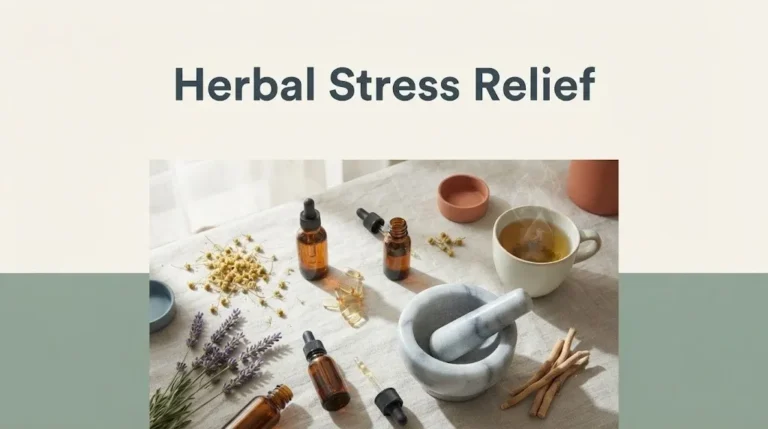
Aromatherapy and sensory promotional products include scented candles, essential oil rollers, aromatherapy inhalers, and scented putty or stress balls. These products claim to reduce stress through olfactory stimulation, specifically the inhalation of calming scents like lavender, chamomile, and bergamot. The evidence is strongest for lavender, modest for other scents, and absent for products that use synthetic fragrances rather than genuine essential oils.
The mechanism of aromatherapy involves the olfactory system. Scent molecules bind to receptors in the nasal epithelium, which send signals to the olfactory bulb and then directly to the amygdala and hippocampus, brain regions involved in emotion and memory. This direct anatomical connection is why smells can trigger powerful emotional responses. Lavender’s proposed mechanism involves linalool and linalyl acetate, compounds that may enhance GABA neurotransmission, the brain’s primary inhibitory system. Increased GABA activity promotes calm and reduces anxiety.
Promotional aromatherapy products vary widely in quality. Genuine lavender essential oil, derived from Lavandula angustifolia, has the research behind it. Synthetic lavender fragrance, which is chemically different and may not contain linalool or linalyl acetate, does not have the same evidence base. Promotional product catalogs often use the term lavender scent without specifying whether the product contains essential oil or synthetic fragrance. This distinction matters for whether the product has any evidence-based stress relief potential.
Safety considerations for aromatherapy promotional items include skin sensitivity and allergy. Essential oils applied directly to skin can cause contact dermatitis in sensitive individuals. Inhalers and diffusers avoid the skin contact issue. Strong scents can trigger headaches or respiratory irritation in some people, particularly in enclosed office environments. Unscented or low-scent options should be available as alternatives.
how to choose quality stress relief promotional items
Choosing quality stress relief promotional items requires evaluating the item against four criteria: the evidence base for the stress relief mechanism it claims, the material quality and durability, the safety profile for the intended recipients, and the alignment with the message your organization wants to send about mental health.
To evaluate a promotional stress relief item:
- Ask what stress mechanism the item engages. If the seller cannot name a specific mechanism, the item is probably a generic novelty. Items that engage tactile stimulation, diaphragmatic breathing, mindfulness, or muscle relaxation have at least a plausible physiological pathway.
- Request a sample before placing a bulk order. Test the item yourself during a stressful moment. Does it actually feel calming or satisfying? Does it feel cheap or well-made? A stress ball that smells like chemicals or leaves residue on your hands undermines the wellness message.
- Check the material composition. Avoid items with strong chemical odors, which suggest volatile organic compounds. For stress balls, ask whether the foam is latex-free if you have any uncertainty about recipient allergies. For plastic items, ask about phthalate content and BPA status.
- Consider the branding message. The imprint on a stress relief item is an opportunity to communicate something meaningful. A generic company logo communicates self-promotion. A message like Take a breath or a crisis resource number communicates genuine care. The text on the item may be the most impactful part of the product.
The price point matters but is not the sole quality indicator. Mid-range stress balls, typically two to five dollars each in bulk, are usually made of higher-quality polyurethane foam that resists tearing and retains its shape. Ultra-cheap stress balls under one dollar often use low-quality foam that cracks and leaks after minimal use.
material safety and allergen considerations
Material safety and allergen considerations for stress relief promotional items include latex allergy, phthalate and chemical exposure, choking hazards for small parts, and essential oil sensitivities. These are YMYL safety issues that promotional product catalogs rarely address but that buyers are responsible for considering when distributing items to employees or the public.
Latex allergy is the most significant safety concern for stress balls. Natural rubber latex is a common material in stress balls, and latex allergy affects approximately one to six percent of the general population, with higher rates among healthcare workers due to repeated exposure. Latex allergy can range from contact dermatitis to anaphylaxis. Stress balls made from polyurethane foam, silicone, or thermoplastic elastomer are latex-free alternatives. Buyers should confirm the material composition in writing from the supplier and select latex-free options for general distribution.
Phthalates are plasticizing chemicals used to make some foams and plastics soft and flexible. Certain phthalates are endocrine disruptors with documented health concerns, and their use in consumer products is regulated in the European Union and restricted in some US states. Stress balls made from phthalate-free polyurethane or silicone avoid this concern. Reputable suppliers will provide documentation of phthalate-free status.
Choking hazards are relevant for small fidget items, particularly those with removable parts. A fidget cube with small buttons or a pop-it toy with small pieces can be a choking hazard for young children if the items are taken home by employees. This is a particular concern for corporate events where families may attend.
Essential oil sensitivity affects a subset of the population. Lavender, tea tree, and peppermint oils are among the most common contact allergens in aromatherapy products. Promotional aromatherapy rollers and balms that are applied to skin carry the highest risk of contact dermatitis. Inhalers and passive diffusers minimize skin contact risk but may still cause respiratory irritation in enclosed spaces.
what the research says about tactile stress relief
The research on tactile stress relief indicates that brief manual activities like squeezing a ball or manipulating a textured object can produce small, short-term reductions in self-reported anxiety or tension, but do not produce measurable changes in physiological stress markers like cortisol or heart rate variability in most studies. The effect is psychological and perceptual rather than deeply physiological.
A 2018 study in Stress and Health examined the effect of using a stress ball during a standardized laboratory stressor. Participants who squeezed a stress ball reported lower anxiety during the stressor compared to empty-handed controls. However, measures of salivary cortisol, heart rate, and blood pressure did not differ between groups. The stress ball changed how people felt but not what their bodies were doing. This distinction between subjective and physiological stress relief is consistent across most studies of brief tactile interventions.
A 2021 systematic review in the Journal of Behavioral Medicine examined multiple brief stress relief interventions including stress balls, fidget tools, and coloring. The review found that these interventions produced small effect sizes for subjective stress reduction, typically in the range of 0.2 to 0.4 on standardized scales. For context, cognitive behavioral therapy for stress produces effect sizes of 0.5 to 0.8. Brief tactile interventions are not in the same league as evidence-based psychological interventions.
The research supports a realistic framing. Stress relief promotional items produce a brief, mild improvement in how stressed someone feels. They do not resolve the source of the stress, they do not treat clinical anxiety, and they do not substitute for organizational changes that reduce unreasonable workloads, improve manager support, or provide mental health benefits.
branded stress relief items that support mental health awareness
Branded stress relief items that support mental health awareness combine a useful product with messaging that reduces stigma, provides resources, or encourages help-seeking. The product is the vehicle. The message is the intervention. A stress ball with a crisis hotline number or a journal with a prompt to check in with yourself has the potential to do more good than a generic logo item.
Mental health messaging on promotional items can include the 988 Suicide and Crisis Lifeline number, a reminder to prioritize mental health, an anti-stigma statement, or a prompt for a brief mindfulness or breathing exercise. The message should be clear, readable, and actionable. A stress ball that says Breathe and provides a simple breathing instruction turns the item into a cue for an evidence-based stress reduction technique.
Organizations should vet the mental health resources they print on promotional items. The 988 Lifeline number is appropriate for general distribution. Local crisis resources, employee assistance program numbers, or specific therapy provider information may be appropriate for internal employee distributions. The message should be inclusive and avoid language that minimizes serious mental illness or implies that a stress ball can solve mental health problems.
Mental health awareness giveaways during May, which is Mental Health Awareness Month, or October for World Mental Health Day are contexts where these items can support broader programming. The promotional item should be one element of a mental health awareness campaign that includes educational content, speaker events, mental health benefits communication, and leadership messaging. An item alone, without the surrounding programming, can feel performative.
low-cost versus premium promotional stress products
Low-cost versus premium promotional stress products differ in material quality, durability, perceived value, and the message they communicate about how much an organization values its people. The cheapest option is not always the worst, and the most expensive is not always the best, but the extremes of the market communicate clear messages.
Low-cost stress relief items, typically under one dollar each in bulk, include basic foam stress balls, simple fidget spinners, and mini coloring books. These items often use lower-quality foam that may tear easily, have a strong initial chemical odor, and lose their shape quickly. They communicate that the organization found the cheapest possible way to check the employee wellness box. If the budget is genuinely constrained, a single higher-quality item for each person may send a better message than multiple low-quality items.
Premium stress relief items, typically ten to thirty dollars each, include weighted lap pads, high-quality essential oil diffusers, cork or bamboo yoga mats, and guided journals with substantial content. These items are appropriate for smaller groups, such as a leadership retreat or a team award, rather than all-company giveaways. The higher perceived value communicates a more genuine investment in wellbeing.
The mid-range, two to five dollars per item, is the sweet spot for most organizational giveaways. At this price point, stress balls are made of durable polyurethane or silicone, fidget items are silent and office-appropriate, aromatherapy items use genuine essential oils, and journals have quality paper and thoughtful prompts. These items do not feel like disposable junk and are more likely to be kept and used rather than discarded.
eco-friendly and sustainable stress relief promotional items
Eco-friendly and sustainable stress relief promotional items address the growing demand for promotional products that do not become immediate landfill waste. The promotional products industry has historically been a generator of short-lived plastic items, and stress relief products are no exception. Sustainable alternatives are available and communicate an additional layer of values alignment.
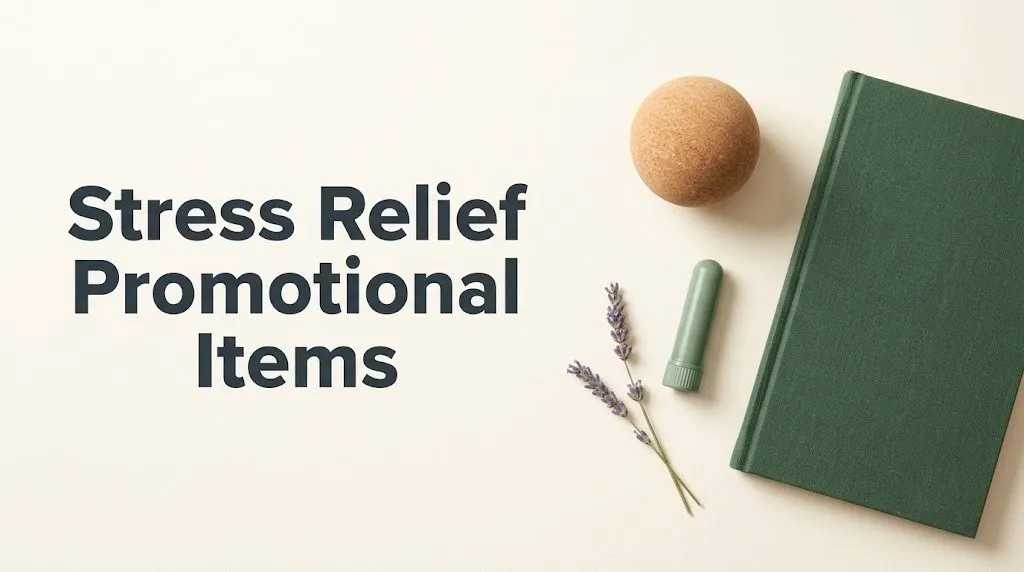
Sustainable stress ball options include those made from natural rubber, which is biodegradable, or from recycled materials including recycled polyurethane foam. Cork stress balls are a newer option that is renewable, biodegradable, and has a distinctive natural texture that some users find pleasant. They are more expensive than foam but communicate a clear sustainability message.
Fidget items made from wood, bamboo, or recycled plastics provide sustainable alternatives to virgin plastic spinners and cubes. Wooden fidget cubes and bamboo puzzle toys have a premium feel and natural appearance that suits desk use. The durability of wood and bamboo means these items last longer and are less likely to be discarded quickly.
Aromatherapy items in sustainable packaging, including recyclable or compostable inhalers and essential oil rollers in glass rather than plastic, reduce the environmental impact. Seed-infused paper tags attached to stress relief items can be planted to grow herbs or flowers, adding an interactive sustainability element.
The sustainability claim should be verifiable. Terms like eco-friendly and green are not regulated and can be used as marketing language without substantiation. Reputable suppliers provide specific information about material composition, recycled content percentage, and certifications like FSC for wood products.
Key Takeaway: A sustainable promotional item communicates that your organization thinks about long-term impact, which aligns with the mental wellness message that wellbeing is a long-term investment, not a quick fix.
when promotional items are not enough
Promotional stress relief items are not enough when workplace stress is driven by systemic factors including excessive workload, lack of autonomy, poor management, job insecurity, or toxic culture. A stress ball does not fix a bullying boss. A fidget cube does not reduce an impossible deadline load. Giving employees stress relief trinkets while ignoring the structural drivers of their stress is not just ineffective. It can be perceived as dismissive or insulting.
The American Psychological Association’s 2024 Work in America survey identified workload, low salary, and lack of growth opportunities as the top workplace stressors. None of these are addressed by promotional products. Organizations that are serious about employee stress should invest first in the structural interventions that reduce the sources of stress: adequate staffing, reasonable performance expectations, manager training in supportive leadership, flexible work arrangements, and accessible mental health benefits.
Promotional items can be a complementary element of a comprehensive workplace mental health strategy. They can serve as conversation starters during mental health awareness events. They can provide a tangible reminder of the organization’s employee assistance program. They can be distributed alongside educational materials about stress management. But they cannot be the strategy.
If your organization’s stress management investment consists primarily of promotional items, the messaging to employees is that their wellbeing is worth approximately two dollars of foam. If the promotional items are part of a broader program that includes manager training, mental health benefits, and workload assessment, the items can be a positive touchpoint within a credible commitment.
building a workplace stress relief program beyond promotional items
Building a workplace stress relief program beyond promotional items means addressing the individual, team, and organizational levels of stress intervention. The promotional items sit at the lightest-touch end of the individual level. The rest of the program fills in the deeper, more impactful interventions.
At the individual level, evidence-based stress management training should be offered. This includes workshops on diaphragmatic breathing, progressive muscle relaxation, and cognitive behavioral therapy techniques adapted for workplace stress. These skills produce larger and more durable stress reductions than any promotional product. Access to an employee assistance program with free, confidential counseling sessions provides professional support for employees experiencing significant stress or mental health concerns.
At the team level, manager training in psychological safety and supportive leadership is essential. The relationship with one’s direct manager is one of the strongest predictors of workplace stress or wellbeing. Managers who check in regularly, provide clear expectations, recognize effort, and respond supportively to challenges create teams with lower stress levels. This training is more expensive and time-consuming than ordering stress balls, but the return on investment is orders of magnitude higher.
At the organizational level, workload assessment, adequate staffing, and job design that provides autonomy and meaning are the structural foundations of a low-stress workplace. No amount of stress balls or breathing workshops can compensate for a chronically understaffed department with unrealistic performance targets. Leadership must be willing to examine and adjust the organizational factors that drive stress.
Promotional stress relief items are appropriate as a visible symbol of an organization’s commitment to wellbeing when that commitment is backed by substantive action at all three levels. Without the substantive action, the items are an empty gesture.
what to look for in a promotional product supplier
What to look for in a promotional product supplier includes material transparency, quality samples, competitive pricing for the quality offered, and a willingness to provide documentation on material safety and sustainability claims. The supplier relationship determines whether you receive quality items that support your wellness message or cheap items that undermine it.
Material transparency is the single most important criterion. The supplier should be able to tell you exactly what a stress ball is made of, whether it contains latex, whether the foam is phthalate-free, and whether any scent is from genuine essential oil or synthetic fragrance. If the supplier cannot answer these questions, the materials are probably the cheapest available, and you should look elsewhere.
Request a single sample before placing any bulk order. Test the sample yourself. Squeeze the stress ball repeatedly. Smell it. Check for residue on your hands. Leave it on a piece of paper overnight to check for oil or chemical leaching. The sample is your best protection against ordering thousands of items that turn out to be low quality or unsuitable.
Production time and imprint quality vary between suppliers. Stress balls typically take two to four weeks for production and imprinting. Rush orders are available at a premium. The imprint should be crisp, durable, and sized appropriately for the item. A poorly printed logo on a stress ball looks unprofessional and undercuts the message of quality and care.
The supplier’s return and defect policy should be clear in writing. Promotional products are custom items, and returns are typically not accepted for buyer’s remorse. Defective items, however, including stress balls that arrive cracked or aromatherapy products with leaking packaging, should be replaced or refunded. Clarify this before ordering.
Frequently Asked Questions About Stress Relief Promotional Items
Do stress balls actually reduce stress?
Stress balls produce a small, temporary reduction in subjective feelings of stress through tactile distraction and rhythmic muscle engagement.
They do not significantly lower cortisol or other physiological stress markers according to available research.
They are best understood as a brief sensory break rather than a stress management intervention.
What are the best stress relief promotional items for employees?
Mid-range polyurethane or silicone stress balls with a meaningful mental health message offer the best combination of usability, durability, and cost.
Genuine lavender aromatherapy inhalers have modest evidence for relaxation and are portable and office-friendly.
Mindfulness journals with guided prompts provide more substantial stress reduction potential for employees who will use them.
Are stress balls safe for everyone?
Stress balls are not safe for everyone because natural rubber latex stress balls can trigger allergic reactions in people with latex allergy.
Individuals with arthritis or carpal tunnel syndrome may find firm stress balls uncomfortable or painful.
Latex-free, medium-density foam or silicone stress balls are the safest option for general distribution.
How do I choose quality stress relief promotional products?
Request a sample before bulk ordering and test it for material quality, odor, and durability.
Verify material composition including latex content and phthalate status directly with the supplier.
Select products that engage a plausible stress relief mechanism rather than purely novelty items.
Can promotional stress items replace mental health support?
Promotional stress items cannot replace mental health support and should never be positioned as a substitute for professional care.
They are a light-touch wellness gesture appropriate as part of a broader program that includes mental health benefits and resources.
If your organization’s stress strategy is limited to promotional items, it is insufficient.
What should I avoid when buying stress relief promotional items?
Avoid ultra-cheap foam stress balls that may contain latex, phthalates, or strong chemical odors.
Avoid items with small removable parts that pose choking hazards if taken home.
Avoid synthetic fragrance products marketed as aromatherapy when the evidence only supports genuine essential oils.
The most honest thing you can do with stress relief promotional items is to be honest about what they are. They are small, tangible symbols of an intention to support wellbeing. They are not clinical interventions. They are not a substitute for reasonable workloads, supportive management, or access to mental health care. Used with that clarity, they have a modest but real place in a workplace wellness strategy.
Order samples before you commit to bulk. Choose latex-free, phthalate-free materials. Print something useful on them. Distribute them alongside real resources like your employee assistance program number or the 988 Lifeline. And pair them with the structural changes that actually reduce workplace stress. The stress ball can start a conversation. The organization has to finish it.
Employees know the difference between a gesture and a commitment. A quality stress ball with a thoughtful message, distributed within a credible wellbeing program, lands as a gesture of care. A cheap stress ball with a company logo, distributed as the entirety of a stress management initiative, lands as an insult. Choose accordingly.