How to Get Rid of a Stress Cold Sore in 2026 Fast
The fastest way to get rid of a stress cold sore is to start antiviral treatment during the prodrome, the tingling or burning phase before a blister appears. Prescription antivirals like valacyclovir or famciclovir taken at the first sign of an outbreak can stop viral replication and shorten healing time by 1 to 2 days compared to no treatment.
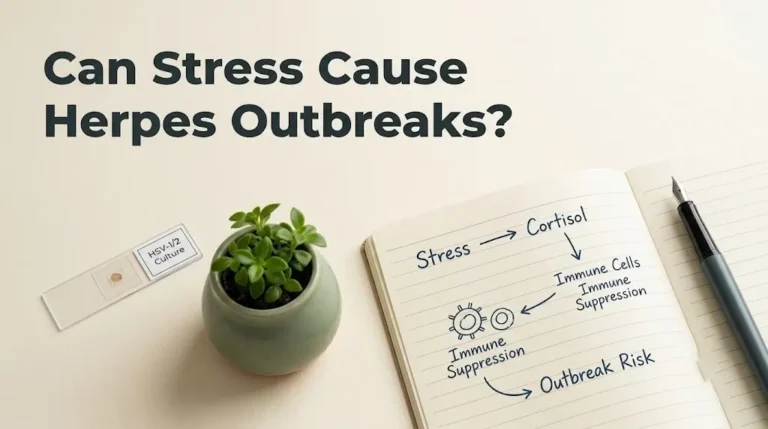
The American Academy of Dermatology recommends that people who experience frequent stress-triggered cold sores discuss suppressive antiviral therapy with their healthcare provider. Research published in Psychoneuroendocrinology has documented that psychological stress reduces natural killer cell activity and CD8+ T-lymphocyte function, the immune cells that normally keep herpes simplex virus type 1 suppressed in its latent state within the trigeminal ganglion. When stress compromises this immune surveillance, the virus reactivates and travels down the nerve to produce the visible lip lesion.
This article explains exactly how to treat an active stress cold sore at every stage, the specific mechanism by which stress hormones reactivate the virus, which treatments have genuine evidence behind them, and how to prevent stress-related recurrences. You’ll learn the virology and stress immunology that most articles skip, so you understand not just what to do but why it works.
If you are in crisis or experiencing thoughts of self-harm, contact the 988 Suicide and Crisis Lifeline by calling or texting 988 at any time. This service is free, confidential, and available 24 hours a day.
How to Get Rid of a Stress Cold Sore
Getting rid of a stress cold sore requires a combination of direct antiviral treatment to stop viral replication, supportive care to speed healing, and stress management to address the trigger. The treatment approach depends on which stage the cold sore is in when you start treatment.
The prodrome stage offers the best window for intervention. This is the tingling, itching, or burning sensation you feel before any visible lesion appears. The virus has reactivated and is beginning to replicate in the skin cells, but visible damage hasn’t occurred yet. Starting an oral antiviral like valacyclovir or famciclovir during this stage can sometimes abort the outbreak entirely. If a lesion still develops, it will be smaller and heal faster than an untreated outbreak.
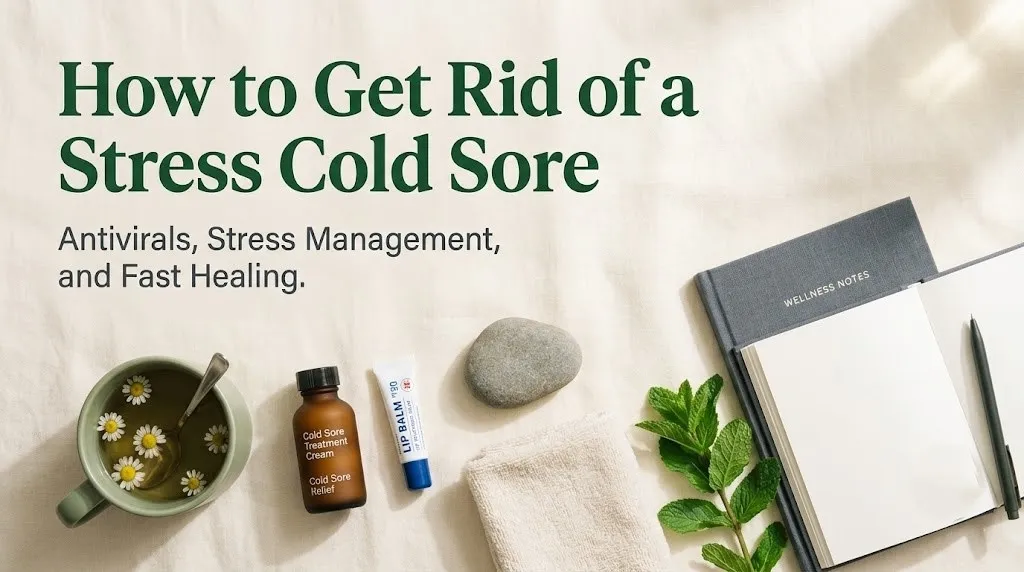
The blister and ulcer stages require a different approach. Once a visible blister or open sore has formed, antivirals can still reduce viral shedding and speed healing, but they cannot instantly erase the lesion. At this stage, treatment focuses on preventing secondary bacterial infection, keeping the area moist to reduce painful cracking, and protecting the lesion from sun exposure which can worsen inflammation and prolong healing. Topical antivirals like docosanol or prescription acyclovir cream can be applied directly to the lesion, though they are less effective than oral antivirals.
The crusting stage is the final healing phase. The lesion forms a scab that protects the new skin forming underneath. The primary treatment goal at this stage is to prevent premature removal of the crust, which reopens the wound and prolongs healing. Keeping the scab moist with petroleum jelly or a cold sore patch reduces cracking and discomfort. The lesion is still contagious during this stage until the skin is completely healed.
| Stage | Appearance | Best Treatment | Duration Without Treatment |
|---|---|---|---|
| Prodrome | Tingling, burning, no visible lesion | Oral antivirals (valacyclovir, famciclovir) | 2 to 24 hours |
| Blister | Clusters of small fluid-filled blisters | Continue antivirals, cold compress, avoid touching | 1 to 2 days |
| Ulcer | Open sore after blisters rupture | Antiviral cream, wound care, prevent infection | 1 to 2 days |
| Crusting | Scab formation, yellow-brown crust | Keep moist, do not pick, sun protection | 3 to 7 days |
| Healing | New pink skin, no crust | Sunscreen, moisturizer | Several days to weeks for full color return |
Stress Cold Sore Treatment
Stress cold sore treatment involves two parallel approaches: treating the active lesion and managing the stress that triggered it. Treating only the lesion without addressing the stress leaves you vulnerable to recurrence as soon as the next stressful period arrives.
Prescription oral antivirals are the most effective treatment for stress cold sores. Valacyclovir, famciclovir, and acyclovir all work by inhibiting viral DNA polymerase, the enzyme HSV-1 needs to replicate its genetic material. Without functional DNA polymerase, the virus cannot produce new viral particles. The infected cells die naturally, and no new cells become infected. These medications are most effective when started during the prodrome but provide benefit at any stage.
For people with infrequent outbreaks, episodic treatment is standard. You take the antiviral only when you feel a cold sore starting. A typical regimen for valacyclovir is 2 grams taken at the first sign of prodrome and again 12 hours later. This short-course, high-dose approach can abort or significantly shorten the outbreak. For people with frequent stress-related outbreaks, defined as more than 6 episodes per year, daily suppressive therapy may be appropriate. A lower dose taken every day reduces outbreak frequency by 70 to 80 percent.
Over-the-counter options are less potent than prescription antivirals but can help when prescription medications aren’t available or for mild outbreaks. Docosanol 10 percent cream, sold under the brand name Abreva, works by inhibiting fusion between the viral envelope and the host cell membrane, preventing the virus from entering healthy cells. It must be applied at the first sign of prodrome and repeated five times daily. Evidence supports a modest reduction in healing time of approximately 18 to 24 hours when used correctly and started early.
Stress Cold Sore Remedies
Stress cold sore remedies include both evidence-based medical treatments and supportive home care measures that can reduce discomfort and support healing. The distinction between remedies that have research support and those that are purely anecdotal matters when you’re trying to heal a visible lesion quickly.
Cold compresses applied during the prodrome and blister stages provide symptomatic relief and may reduce the inflammatory response. The cold constricts blood vessels, reducing swelling and the delivery of inflammatory mediators to the area. Apply a clean, cold, damp cloth to the area for 10 to 15 minutes several times daily. Do not apply ice directly to the skin, as this can cause tissue damage.
Lysine supplementation has mixed evidence but a plausible mechanism. HSV-1 requires the amino acid arginine for replication. Lysine competes with arginine for cellular uptake and may reduce viral replication by limiting arginine availability. Some studies have shown modest reductions in outbreak frequency and severity with lysine supplementation at doses of 1,000 to 3,000 milligrams daily. Other studies have shown no benefit. The Mayo Clinic notes that lysine is possibly effective for reducing cold sore recurrence, though the evidence is not conclusive. Lysine is generally safe at recommended doses but should not replace proven antiviral treatment for active outbreaks.
Sun protection is a remedy that is also a prevention strategy. Ultraviolet light is an independent trigger for HSV reactivation. UV exposure damages skin cells and suppresses local immune function in the skin, creating an opportunity for the virus to reactivate. Stress and sun exposure are additive triggers. A person under high stress who also gets sun exposure is more likely to develop a cold sore than someone experiencing either trigger alone. Applying lip balm with SPF 30 or higher during stress periods can prevent some stress-sun combination outbreaks.
Get Rid of Cold Sore Fast Stress
Getting rid of a stress cold sore fast requires immediate action at the very first sign of an outbreak. The difference between acting during the prodrome and waiting until a blister appears is the difference between possibly aborting the outbreak entirely and simply shortening it by a day or two.
To maximize speed of resolution, take these steps as soon as you feel the characteristic tingling or burning. If you have a prescription for episodic antiviral treatment, take the first dose immediately. If you use over-the-counter docosanol cream, apply it right away and repeat as directed. Apply a cold compress to the area. Avoid touching, picking, or licking the area. Avoid acidic, salty, or spicy foods that can irritate the developing lesion. Get extra sleep that night. Sleep deprivation independently suppresses immune function and can worsen the outbreak.
The antiviral mechanism explains why speed matters. When you feel the prodrome, the virus has already reactivated from its latent state in the trigeminal ganglion and traveled down the nerve axon to the lip skin. It’s beginning to replicate in the epithelial cells but hasn’t produced visible damage yet. Antiviral medications stop replication within hours of reaching therapeutic levels in the bloodstream. If you take them before extensive replication has occurred, you may prevent the visible lesion entirely. If replication has already damaged a significant number of cells, the lesion will still appear, but it will be smaller and contain less virus.
Stress management initiated at the first sign of prodrome can support the antiviral treatment. Diaphragmatic breathing activates the parasympathetic nervous system and reduces sympathetic tone. Since sympathetic activation and the epinephrine it releases are part of the trigger mechanism, reducing sympathetic activity may slow viral replication and support immune clearance. Practice slow breathing while you wait for your antiviral medication to take effect. It won’t replace the medication, but it addresses the ongoing trigger.
Key Takeaway: The absolute fastest way to get rid of a stress cold sore is prescription oral antivirals started during the prodrome tingling phase, combined with cold compresses, stress reduction, and strict lesion hygiene to prevent prolonging the outbreak.
Stress Triggered Cold Sore
A stress triggered cold sore is a visible herpes simplex virus type 1 lesion that appears during or shortly after a period of psychological stress because stress hormones have reactivated the latent virus and suppressed the immune response that normally keeps it in check.
The virus establishes lifelong latency in the trigeminal ganglion after initial infection, which for most people occurs in childhood. During latency, the viral genome exists as a circular episome in the neuron’s nucleus. It produces almost no viral proteins, making it invisible to the immune system. Stress hormones change this. Epinephrine and norepinephrine bind to receptors on the latently infected neuron and activate signaling pathways that trigger the virus to exit latency and begin producing the proteins needed for replication.
The timing of stress cold sores follows a recognizable pattern. The outbreak often appears not during the peak of acute stress but in the days following, when the immune system rebounds from stress-induced suppression. This is the same pattern seen in stress-related canker sores and other stress-triggered conditions. The stress suppresses immunity. The virus reactivates. The visible lesion appears as immunity returns, sometimes with an exaggerated inflammatory response that contributes to the lesion’s size and discomfort.
Individual susceptibility to stress-triggered cold sores varies enormously. Some people carry HSV-1 and never develop visible lesions regardless of stress level. Others develop a cold sore every time they have a major deadline, lose sleep, or experience emotional distress. This variation depends on multiple factors including the specific HSV-1 strain, the immune system’s baseline competence at controlling the virus, genetic factors affecting immune response, and the cumulative burden of other triggers including UV exposure, illness, and hormonal fluctuations.
Cortisol Cold Sore
A cortisol cold sore develops because this primary stress hormone suppresses the cell-mediated immune response that keeps herpes simplex virus type 1 contained. Cortisol is not directly activating the virus the way epinephrine does. It’s removing the immune control that prevents the reactivated virus from producing a visible lesion.
Cortisol binds to glucocorticoid receptors on immune cells including natural killer cells and CD8+ T-lymphocytes. These are the cells that patrol the skin and mucous membranes, eliminating cells that show signs of viral infection. Cortisol reduces both the number and the activity of these cells. It also reduces the production of interferon-gamma, the key cytokine that drives the antiviral immune response. With fewer active immune cells and less antiviral signaling, HSV-1 that has reactivated from latency can replicate more extensively before the immune system contains it.
The timeline of cortisol’s effect explains why cold sores often appear after the stressful event rather than during it. Cortisol levels are highest during the stressor. The immunosuppressive effect is at its peak. When the stress resolves and cortisol drops, the immune system rebounds. The rebound includes increased traffic of immune cells to areas of viral activity. This influx of immune cells contributes to the inflammation that makes the cold sore visible, painful, and swollen. The lesion you see is partly the virus’s damage and partly your immune system’s vigorous response to the virus it was previously prevented from attacking.
The implication for treatment is that managing cortisol through stress reduction is primarily a prevention strategy, not an acute treatment. Once the cold sore has appeared, lowering cortisol through relaxation techniques supports healing but cannot replace antiviral treatment. For prevention, regular stress management practices that lower baseline cortisol, including mindfulness-based stress reduction and adequate sleep, reduce the frequency of stress-triggered outbreaks by maintaining more consistent immune surveillance.
HSV-1 Stress Reactivation
HSV-1 stress reactivation is the molecular process by which psychological stress causes the latent herpes simplex virus type 1 to exit its dormant state in the trigeminal ganglion and begin replicating. This process involves specific signaling pathways that have been characterized in virology research.
The latently infected neuron contains the viral genome but produces only latency-associated transcripts, RNA molecules that help maintain the latent state and prevent the neuron from dying. Stress hormones, particularly epinephrine and norepinephrine, bind to beta-adrenergic receptors on the neuron’s surface. This binding activates the cyclic AMP signaling pathway inside the neuron. The cascade leads to the activation of transcription factors that turn on the viral genes responsible for lytic replication. The virus begins producing the proteins needed to replicate its genome and assemble new viral particles.
The newly produced virus travels down the sensory nerve axon from the trigeminal ganglion to the skin at the nerve ending, typically at the vermilion border of the lip. The virus infects epithelial cells and begins replicating rapidly. The infected cells die, releasing more virus to infect neighboring cells. The visible blister forms from the accumulation of fluid between the damaged epithelial cells and the underlying tissue. Without immune intervention, the virus would continue spreading through the skin. The immune response, when it arrives, contains the infection and initiates healing.
The reactivation process can be partial or complete. Not every stress-induced viral reactivation event produces a visible cold sore. Many reactivations are subclinical. The virus reactivates, replicates at a low level, and is cleared by the immune system before visible damage occurs. The visible cold sore represents a reactivation event where viral replication outpaced immune clearance. Factors that increase the probability of a visible lesion include the magnitude of the stressor, the degree of immune suppression, and the presence of co-triggers like UV exposure or local skin trauma.
Herpes Simplex Stress
Herpes simplex stress refers to the well-documented relationship between psychological stress and outbreaks of herpes simplex virus infections, both oral HSV-1 causing cold sores and genital HSV-2 causing genital lesions. The mechanism is fundamentally the same for both types, involving stress hormone reactivation and immune suppression.
The connection between stress and herpes outbreaks is one of the oldest documented stress-illness relationships in medical literature. Clinical observation has noted the association for centuries. Modern psychoneuroimmunology has characterized the mechanism. The evidence base includes prospective studies showing that periods of high perceived stress correlate with increased HSV reactivation as measured by viral shedding and visible lesion occurrence. The relationship is dose-dependent. More severe or prolonged stress produces more frequent and more severe outbreaks.
Stress affects the herpes virus at two distinct points. First, it triggers the initial reactivation from latency through the catecholamine signaling pathway described above. Second, it impairs the immune response that would normally control the reactivated virus quickly and prevent a visible lesion. The combined effect makes stress one of the most potent triggers for herpes outbreaks, comparable in strength to UV exposure and febrile illness.
The psychosocial impact of stress-related herpes outbreaks creates a vicious cycle. The visible cold sore causes embarrassment, social anxiety, and distress about transmission risk. This distress increases stress, which can prolong the outbreak and increase the likelihood of future outbreaks. Breaking this cycle requires both effective treatment of the active lesion and effective stress management to address the psychological impact of having a visible herpes lesion.
Stress-Induced Cold Sore
A stress-induced cold sore is a visible herpes lesion where psychological stress is the identifiable primary trigger. The stressor can be acute, like a single traumatic event or intense deadline period, or chronic, like ongoing work pressure or relationship difficulty. The outbreak typically appears 2 to 5 days after the peak stress exposure.
The identification of stress as the trigger comes from the temporal relationship. The person notices the prodrome symptoms during or shortly after a period they recognize as unusually stressful. They may notice a pattern over time: cold sores consistently appear after exams, after work crises, after family conflicts, or during periods of sleep deprivation. This pattern recognition is clinically useful because it identifies stress management as a prevention strategy.
Stress-induced cold sores are not clinically different from cold sores triggered by other factors like UV exposure or illness. They look the same, progress through the same stages, and respond to the same treatments. The distinction is etiological. Knowing that stress is the primary trigger for your outbreaks tells you that stress management should be a central part of your prevention strategy, alongside sun protection and other trigger-specific interventions.
For people whose cold sores are predominantly stress-induced, the combination of suppressive antiviral therapy during known high-stress periods and stress management practices is often more effective than either approach alone. Someone who reliably develops a cold sore during finals, for example, might start daily antiviral medication a few days before exams begin and continue through the exam period, while also practicing daily stress reduction techniques.
Key Takeaway: Stress-induced cold sores appear 2 to 5 days after peak stress due to the combination of catecholamine-triggered viral reactivation and cortisol-mediated immune suppression, and identifying this pattern allows targeted prevention during predictable high-stress periods.
Stress Cold Sore Healing
Stress cold sore healing follows the same biological timeline as any cold sore healing, but stress can prolong the process if the stressful conditions persist during the outbreak. Understanding the healing stages helps you know what to expect and when treatment is working.
The healing timeline from first prodrome to complete skin restoration is typically 7 to 14 days without treatment and 5 to 10 days with effective antiviral treatment started during the prodrome. The blister appears within 24 hours of prodrome onset. The blisters rupture and form an ulcer by day 2 or 3. The ulcer begins to crust by day 4 or 5. The crust falls off naturally by day 7 to 10. New pink skin is visible underneath and gradually returns to normal color over several more days to weeks.
Stress during the healing phase can prolong the process. Ongoing stress maintains elevated cortisol and suppressed immune function, reducing the efficiency of viral clearance and tissue repair. Cortisol impairs wound healing through several mechanisms including reduced collagen synthesis, decreased epithelial cell proliferation, and impaired angiogenesis. A cold sore that occurs at the beginning of a stressful period may heal more slowly than one that occurs as stress is resolving.
Supporting healing requires both local wound care and systemic stress management. Keep the lesion clean and moist. Do not pick at the crust. Apply sunscreen to the healing area, as UV exposure can worsen post-inflammatory hyperpigmentation and may trigger viral reactivation in the still-healing tissue. Prioritize sleep, as sleep deprivation impairs immune function and wound healing. Practice stress reduction techniques to lower cortisol and support the immune response that is clearing the virus and repairing the tissue.
Cold Sore Outbreak Stress
Cold sore outbreak stress refers to the psychological distress caused by having a visible cold sore, which can compound the original stress that triggered the outbreak. This secondary stress has clinical significance because it can prolong the outbreak and increase the risk of future outbreaks.
The visibility of cold sores on the lip makes them uniquely distressing among stress-related conditions. Unlike a stress headache or stress bloating that can be concealed, a cold sore is on your face. Every social interaction becomes a potential source of anxiety. The lesion is also contagious, adding worry about transmission to partners, children, or anyone you might have close contact with. This visibility and contagiousness create a psychological burden that a stress ulcer in your mouth or a stress rash on your torso does not carry.
The psychological response to a cold sore can be disproportionate to its medical seriousness. Medically, a cold sore is a self-limiting viral infection that heals completely in most people without scarring. Psychologically, it can feel like a social emergency. This distress activates the stress response, raising cortisol and epinephrine, which can impair the immune response that is trying to clear the virus. The outbreak stress becomes a self-perpetuating cycle.
Managing outbreak stress requires both practical and psychological strategies. Practical strategies include using cold sore patches that conceal the lesion while it heals and timing important social events around outbreaks when possible. Psychological strategies include cognitive reframing that acknowledges the distress without catastrophizing, reminding yourself that the lesion is temporary and that most adults carry HSV-1. If outbreak-related distress is severe and interferes with your daily functioning, a licensed clinical psychologist can help address the psychological impact.
Cold Sore Prodrome Stress
Cold sore prodrome stress is the window during which stress management and antiviral treatment can have the greatest impact on the outcome of an impending outbreak. Recognizing and responding to the prodrome is the single most important skill for managing stress-related cold sores.
The prodrome is caused by the virus beginning to replicate in the skin cells at the nerve ending. Before visible damage occurs, the infected cells release inflammatory signals that irritate the sensory nerve endings. You feel this as tingling, itching, burning, or a vague uncomfortable sensation at the site where the cold sore will appear. The sensation is localized to a small area, typically at the lip border where previous outbreaks have occurred.
To respond effectively to the prodrome, you need to identify your personal prodrome pattern. Some people feel a distinct tingling. Others feel numbness, itching, or a sensation of fullness. The sensation may be subtle and easy to dismiss if you’re not paying attention. People who experience frequent cold sores often become expert at recognizing their prodrome. If you’re uncertain whether you’re feeling a prodrome, err on the side of treating it. The risk of taking an unnecessary dose of antiviral medication is minimal compared to the benefit of early treatment if an outbreak is actually starting.
Once you recognize the prodrome, act within the hour if possible. Take your prescribed antiviral medication. Apply topical treatment. Begin stress reduction. Avoid triggers that compound the outbreak risk including sun exposure, acidic foods, and skin trauma at the site. The actions you take during the 2 to 24 hours of prodrome have a greater impact on the outbreak course than anything you do after the blister appears.
Antiviral Cold Sore Stress
Antiviral cold sore stress treatment uses medications that directly inhibit herpes simplex virus replication to shorten outbreaks and, when used suppressively, prevent stress-related recurrences. These are the only treatments with strong evidence for altering the course of a cold sore.
Oral prescription antivirals are the most effective option. Valacyclovir is a prodrug of acyclovir with better absorption, meaning more of the active drug reaches the bloodstream. Famciclovir is a prodrug of penciclovir with similarly improved bioavailability. Both work by the same mechanism: inhibition of viral DNA polymerase. Acyclovir is the original drug in the class and is available in generic form at lower cost. All three are effective when started during the prodrome. Valacyclovir and famciclovir have the advantage of less frequent dosing due to their improved pharmacokinetics.
Topical prescription antivirals include acyclovir cream and penciclovir cream. These are applied directly to the lesion and are less effective than oral antivirals because they treat only the surface infection and do not reach the virus that may be replicating in deeper skin layers or continuing to arrive from the nerve ending. They can reduce healing time by approximately half a day to a day when started early. They’re most useful for people who cannot take oral antivirals or who prefer topical treatment despite the lower effectiveness.
Over-the-counter docosanol 10 percent cream works through a different mechanism. Rather than inhibiting viral DNA polymerase, it inhibits fusion between the viral envelope and the host cell membrane. The virus cannot enter healthy cells to spread the infection. Docosanol must be applied at the first sign of prodrome and reapplied five times daily throughout the outbreak. It reduces healing time by approximately 18 to 24 hours in clinical studies. The effect is modest but real and may be more noticeable when combined with other measures.
| Treatment | Mechanism | Route | Effectiveness | When to Start |
|---|---|---|---|---|
| Valacyclovir | Inhibits viral DNA polymerase | Oral, prescription | Highest, can abort outbreak | Prodrome |
| Famciclovir | Inhibits viral DNA polymerase | Oral, prescription | Highest, can abort outbreak | Prodrome |
| Acyclovir | Inhibits viral DNA polymerase | Oral or topical, prescription | High oral, moderate topical | Prodrome |
| Docosanol | Inhibits viral-cell membrane fusion | Topical, OTC | Modest, ~18 to 24 hours faster healing | Prodrome |
| Penciclovir cream | Inhibits viral DNA polymerase | Topical, prescription | Moderate | Prodrome or blister |
Stress Cold Sore on Lip
A stress cold sore on the lip is the most common location for HSV-1 reactivation because the virus establishes latency in the trigeminal ganglion, which innervates the lips, mouth, and surrounding facial skin. The lip location creates specific treatment and cosmetic considerations.
The lip’s constant movement during talking, eating, and facial expressions makes cold sores in this location particularly painful and slow to heal. Every smile or bite of food stretches the lesion and can crack the healing tissue. Cold sore patches, which are hydrocolloid dressings placed over the lesion, can help by protecting the sore from movement and moisture loss. They also conceal the lesion, which reduces the psychosocial distress that compounds the stress cycle.
The lip location increases the risk of autoinoculation, spreading the virus to other body sites. Touching the cold sore and then touching your eyes can cause herpetic keratitis, a serious eye infection. Touching the lesion and then touching broken skin elsewhere can spread the virus to the new site. Strict hand hygiene after any contact with the lesion is essential. Avoid kissing, sharing utensils, or sharing towels while the lesion is active.
Cosmetic concerns about lip cold sores are valid and should be addressed practically. In addition to cold sore patches, which are flesh-colored and can make the lesion less noticeable, timing treatments to accelerate crusting and healing gets you through the most visible phase faster. Sunscreen on the healing area prevents post-inflammatory hyperpigmentation, which can leave a visible mark for weeks after the lesion has healed.
Stress Cold Sore Prevention
Stress cold sore prevention involves identifying your specific stress pattern, using antiviral medication strategically during high-risk periods, and maintaining stress management practices that reduce baseline stress hormone levels and support immune function.
For people with predictable stress cold sore patterns, targeted prevention is highly effective. If you know that finals week, annual work reviews, or family holiday gatherings reliably trigger outbreaks, you can take suppressive antiviral medication during the week before and during the high-risk period. Discuss this strategy with your primary care provider or dermatologist. A short course of daily valacyclovir or famciclovir during known stress periods can reduce outbreak probability by 70 to 80 percent.
Daily stress management practices lower the baseline stress hormone levels that prime the virus for reactivation. Diaphragmatic breathing practiced for 5 to 10 minutes daily activates the parasympathetic nervous system and reduces sympathetic tone and cortisol output. Regular moderate exercise improves natural killer cell and T-cell function when not performed to exhaustion. Adequate sleep, consistently 7 to 8 hours, maintains the immune competence that keeps HSV-1 suppressed. These practices are not guarantees against outbreaks, but they reduce the frequency of stress-related reactivation.
Sun protection is a prevention strategy that addresses a trigger independent of stress but additive to it. UV light activates HSV-1 through a different molecular pathway than stress hormones, but both pathways converge on the same viral reactivation process. Using lip balm with SPF 30 or higher daily prevents the sun-triggered component of outbreaks. During periods of high stress, sun protection becomes even more important because the stress has already lowered the reactivation threshold.
Other trigger management includes getting adequate sleep during stressful periods, avoiding excessive alcohol which impairs immune function and disrupts sleep, and addressing concurrent illness promptly. The more triggers you can control, the less likely the stress alone is to produce an outbreak.
Stress Cold Sore Relief
Stress cold sore relief encompasses the symptomatic treatments that reduce pain, discomfort, and visible signs while the antiviral treatments and your immune system clear the virus. These treatments do not shorten the outbreak but make it more tolerable.
Pain relief can be achieved with over-the-counter oral analgesics like ibuprofen or acetaminophen, which reduce the inflammatory pain that accompanies the blister and ulcer stages. Topical anesthetics containing benzocaine or lidocaine provide temporary numbness when applied directly to the lesion. These are available over the counter and can make eating and speaking more comfortable during the most painful phase.
Cold compresses reduce swelling and provide temporary numbness. Apply a clean, cold, damp cloth to the area for 10 to 15 minutes. Do not use ice directly on the skin. The cold reduces blood flow and inflammatory mediator delivery, providing symptomatic relief for an hour or two after application.
Cold sore patches provide physical protection and moisture retention. The hydrocolloid material absorbs excess fluid from the lesion while maintaining a moist environment that reduces cracking and speeds healing. Patches also prevent you from touching the lesion, reducing the risk of bacterial superinfection and autoinoculation. For many people, the cosmetic concealment that patches provide is as valuable as the physical relief.
Avoiding irritants is a form of relief that is often overlooked. Acidic foods and beverages, salty snacks, and spicy foods cause sharp pain on contact with the ulcer and can prolong inflammation. Hot beverages can increase blood flow and swelling. During the active outbreak, choosing bland, cool, soft foods reduces discomfort and may allow the lesion to heal with less inflammatory disruption.
Key Takeaway: Prevention of stress cold sores requires identifying your personal stress pattern, using suppressive antivirals during predictable high-risk periods, maintaining daily stress management and sun protection, and managing concurrent triggers like sleep deprivation and illness.
Frequently Asked Questions About Stress Cold Sores
What is the fastest way to get rid of a stress cold sore?
The fastest way is prescription oral antivirals like valacyclovir or famciclovir taken at the first sign of prodrome, the tingling phase before a blister appears.
These medications inhibit viral DNA polymerase and can sometimes abort the outbreak entirely if started early enough.
Combined with cold compresses, lesion hygiene, and stress reduction, antivirals can shorten healing time from 7 to 14 days to 5 to 10 days.
Why do I get cold sores when I’m stressed?
You get cold sores when stressed because epinephrine and norepinephrine directly trigger HSV-1 reactivation from latency in your trigeminal ganglion, and cortisol suppresses the natural killer cells and CD8+ T-cells that normally control the virus.
The outbreak typically appears 2 to 5 days after the stress peak, when the immune system rebounds and the inflammatory response becomes visible.
Most people carry HSV-1, but only some develop visible lesions, with susceptibility determined by genetics, immune function, and trigger exposure.
What happens in the prodrome stage of a cold sore?
The prodrome stage is the tingling, burning, or itching sensation that occurs before any visible lesion, caused by the virus beginning to replicate in skin cells and releasing inflammatory signals that irritate nerve endings.
This stage lasts 2 to 24 hours and is the critical window for antiviral treatment to abort or shorten the outbreak.
Recognizing your personal prodrome pattern is the most important skill for managing recurrent cold sores.
Do over-the-counter cold sore treatments actually work?
Docosanol 10 percent cream (Abreva) has modest evidence for reducing healing time by approximately 18 to 24 hours when applied at the first sign of prodrome and used five times daily.
OTC treatments are less effective than prescription oral antivirals and cannot abort an outbreak the way prescription medication can.
Topical anesthetics provide symptomatic pain relief but do not affect healing time.
How can I prevent stress cold sores from coming back?
Prevent stress cold sores by using suppressive antiviral medication during predictable high-stress periods, practicing daily stress management including diaphragmatic breathing, and wearing SPF 30 lip balm daily.
Consistent sleep, regular moderate exercise, and trigger avoidance during stress periods all reduce outbreak frequency.
For frequent outbreaks, more than 6 per year, discuss daily suppressive antiviral therapy with your primary care provider or dermatologist.
When should I see a doctor about stress cold sores?
See a doctor if you have more than 6 outbreaks per year, if lesions persist beyond 2 weeks without healing, if cold sores spread beyond your lip, or if you have a weakened immune system.
Cold sores near your eyes require immediate medical evaluation to prevent herpetic keratitis.
A primary care physician or dermatologist can prescribe antiviral medication and evaluate whether suppressive therapy is appropriate for your outbreak pattern.
That tingling on your lip during a stressful week isn’t a coincidence. Epinephrine from your stress response has triggered the herpes simplex virus to exit its latent state in your trigeminal ganglion and begin replicating. Cortisol has suppressed the natural killer cells and CD8+ T-lymphocytes that would normally control the virus before it produced a visible lesion. Understanding this mechanism tells you exactly what to do about it.
Start treatment now if you feel the prodrome. Take your prescribed antiviral medication immediately. If you don’t have a prescription, apply docosanol cream and call your primary care provider or dermatologist for a prescription you can have ready for next time. While the medication takes effect, practice five minutes of diaphragmatic breathing to reduce the sympathetic activation that is still driving the outbreak. Keep the lesion protected from sun and don’t touch it.
If stress reliably triggers your cold sores, you don’t have to wait for the next outbreak. Suppressive antiviral medication during known high-stress periods can prevent most stress-related episodes. Discuss this with your doctor at a routine visit, not during an outbreak when you’re distressed and in pain. Combining targeted antivirals with daily stress management gives you control over a pattern that can feel completely outside your control.