Stress Mucus in Stool: Causes and Relief in 2026
Yes, stress can cause mucus in your stool, and the mechanism is specific: psychological stress activates your HPA axis and sympathetic nervous system, releasing hormones that directly stimulate mucus-producing goblet cells in your intestines and trigger immune cells called mast cells to release compounds that increase intestinal mucus secretion.
This is not a vague connection. The American College of Gastroenterology recognizes that stress is one of the most common triggers for functional gastrointestinal symptoms, including excess mucus production, particularly in people with irritable bowel syndrome. Your gut has its own nervous system, the enteric nervous system, which contains approximately 100 million neurons and responds directly to stress hormones with changes in secretion and motility.
This article explains the exact gut-brain axis pathway that turns a stressful thought into visible mucus, gives you a clear way to distinguish stress-related mucus from signs of inflammatory bowel disease or other serious conditions, and provides specific techniques to address both the stress and the digestive symptoms. You will learn what stress mucus typically looks like, which dietary changes help, and exactly when a gastroenterologist needs to evaluate your symptoms.
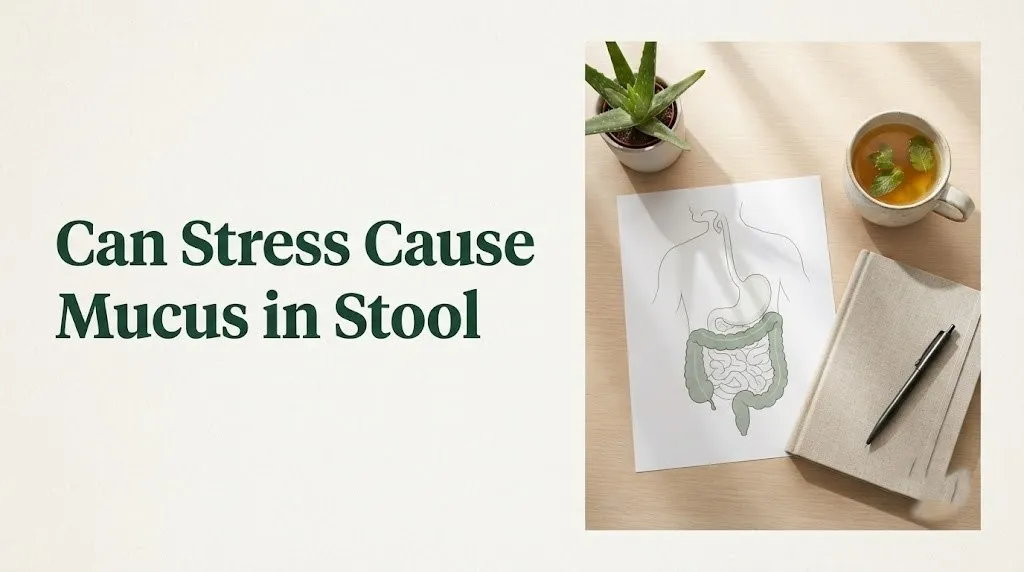
Can Stress Cause Mucus in Stool
Stress can cause mucus in stool by activating the hypothalamic-pituitary-adrenal axis and sympathetic nervous system, which release corticotropin-releasing hormone (CRH), cortisol, and norepinephrine that act directly on the intestinal lining to stimulate mucus production from goblet cells and trigger immune cell degranulation in the gut wall.
The mucus you see is not a new substance your body creates only during stress. Your intestines produce mucus continuously as a protective barrier between the gut lining and the contents moving through. A healthy colon secretes approximately one liter of mucus daily, but most of it remains mixed with stool and is not visible. Stress increases both the quantity of mucus produced and the speed of intestinal transit, making the mucus more noticeable when it passes.
Research published in Neurogastroenterology and Motility has demonstrated that CRH, the initiating hormone of the stress response, directly stimulates colonic mucus secretion when administered to human subjects. The effect occurs within minutes and is blocked by CRH receptor antagonists, confirming the specific receptor-mediated mechanism. A 2023 study in Brain, Behavior, and Immunity found that participants exposed to an acute laboratory stressor showed increased intestinal mucus production measured by mucin protein levels in stool samples within two hours of the stress exposure.
| Stress Type | Mucus Pattern | Typical Duration |
|---|---|---|
| Acute stress (exam, presentation) | Sudden mucus with loose stool, same day | 1 to 3 days |
| Episodic stress (deadline week) | Intermittent mucus, worse with stress peaks | Days to 2 weeks |
| Chronic stress (ongoing life strain) | Persistent low-level mucus, fluctuating | Weeks to months |
| Anxiety attack or panic | Mucus with urgency, often with diarrhea | Hours to 1 day |
How Stress Affects Your Digestive System
Stress affects your digestive system through two parallel pathways that converge on the gut: the HPA axis releasing cortisol into the bloodstream and the sympathetic nervous system releasing norepinephrine directly onto the intestinal wall, together altering motility, secretion, permeability, and immune function within minutes to hours of stress perception.
When your brain detects a threat, the amygdala signals the hypothalamus to activate the stress response. The hypothalamus sends CRH to the pituitary gland, which releases ACTH into the bloodstream, triggering cortisol release from the adrenal glands. Cortisol travels through the blood and reaches every organ, including your intestines, where it binds to glucocorticoid receptors on intestinal epithelial cells, immune cells, and enteric neurons. The effect is not subtle. Cortisol changes which genes are expressed in gut cells, shifting resources away from normal digestive function toward functions that support the fight-or-flight response.
At the same time, the sympathetic nervous system directly innervates the gut through nerves that release norepinephrine onto the intestinal wall. This slows or stops digestion in the stomach and small intestine, redirects blood flow away from the gut toward skeletal muscles, and can trigger rapid colonic contractions that produce urgency and loose stool. The combined effect of cortisol and norepinephrine on the gut is why a stressful event can send you to the bathroom within minutes. Your digestive system does not have time to process food normally, and protective mucus production increases as part of the gut’s defense against the disruption.
Individual variation note: People with pre-existing functional gastrointestinal disorders like IBS have been shown in research to have exaggerated cortisol and CRH responses to stress, greater stress-induced intestinal permeability, and higher numbers of activated mast cells in their intestinal mucosa at baseline. If you already have IBS, your gut responds to stress with a more pronounced secretory and motility response than someone without IBS.
The Gut-Brain Axis Explained
The gut-brain axis is the bidirectional communication network connecting your central nervous system, your enteric nervous system, and your gut microbiota through neural pathways, hormonal signals, and immune mediators, and it is the anatomical and physiological infrastructure that explains why psychological stress produces physical gastrointestinal symptoms like mucus in stool.
The neural component runs primarily through the vagus nerve, which carries signals in both directions between the brain and the gut. About 80% of vagus nerve fibers are afferent, meaning they carry information from the gut to the brain, not the other way around. Your brain constantly monitors the state of your intestines through vagal sensory input. When stress disrupts normal gut function, the vagus nerve reports that disruption back to the brain, which can amplify the stress response and create a feedback loop. This is why gut symptoms during stress can make you feel more anxious, which further worsens the gut symptoms.
The hormonal component operates through the HPA axis described earlier, with cortisol acting as the primary chemical messenger from brain to gut. The immune component involves the gut-associated lymphoid tissue, which contains approximately 70% of the body’s immune cells. Stress hormones directly activate mast cells and other immune cells in the intestinal mucosa, triggering the release of histamine, prostaglandins, and cytokines that alter gut secretion and permeability. The mucus you see is partly a product of this immune activation.
Think of the gut-brain axis like a two-way radio system between headquarters and a remote outpost. The brain sends commands through hormonal and neural channels. The gut reports conditions on the ground through vagal afferents, immune signals, and even microbial metabolites. During stress, headquarters sends an urgent alert, the outpost scrambles its resources, and the resulting chaos produces visible changes in gut function, including excess mucus.
Key Takeaway: The gut-brain axis is not a metaphor. It is a physical network of nerves, hormones, and immune cells that explains why a stressful thought produces a physical change in your bowel movement. The mucus you see is the result of actual chemical signals, not imagination.
What Stress Hormones Do to Your Intestines
Stress hormones directly alter intestinal function by binding to specific receptors on gut cells: CRH stimulates intestinal motility and mucus secretion, cortisol changes gene expression in epithelial and immune cells, and norepinephrine alters blood flow and smooth muscle contraction patterns throughout the digestive tract.
CRH is the master stress hormone for the gut. CRH receptors, specifically CRH-R1 and CRH-R2, are present throughout the gastrointestinal tract on enteric neurons, intestinal epithelial cells, and mucosal mast cells. When CRH binds to these receptors during stress, it triggers a cascade of effects: increased colonic motility and transit speed, stimulation of mucus secretion from goblet cells, activation of mast cells leading to histamine and tryptase release, and increased intestinal permeability through effects on tight junction proteins. The Rome Foundation, which establishes diagnostic criteria for disorders of gut-brain interaction, identifies CRH signaling dysfunction as a core mechanism in stress-sensitive functional GI disorders.
Cortisol works on a slower timeline but with longer-lasting effects. After binding to glucocorticoid receptors in intestinal cells, cortisol enters the nucleus and alters gene transcription. It upregulates genes involved in inflammation and downregulates genes involved in barrier function. Over hours to days of sustained stress, cortisol exposure can reduce the expression of tight junction proteins like occludin and claudin that seal the spaces between intestinal cells, leading to increased intestinal permeability, sometimes called “leaky gut” in popular health discussions but more accurately described as stress-induced barrier dysfunction.
| Stress Hormone | Source | Primary Gut Effects | Timeline |
|---|---|---|---|
| CRH | Hypothalamus | Increased motility, mucus secretion, mast cell activation | Minutes |
| ACTH | Pituitary | Stimulates cortisol release; minor direct gut effects | Minutes to hours |
| Cortisol | Adrenal cortex | Altered gene expression, reduced barrier function, immune modulation | Hours to days |
| Norepinephrine | Sympathetic nerves, adrenal medulla | Reduced blood flow to gut, altered motility, increased visceral sensitivity | Seconds to minutes |
| Epinephrine | Adrenal medulla | Systemic effects, reinforces sympathetic activation | Seconds to minutes |
How Cortisol Triggers Intestinal Mucus Production
Cortisol triggers intestinal mucus production through a multi-step pathway: it activates mast cells in the intestinal mucosa to release histamine and prostaglandins, which then stimulate goblet cells to secrete mucin granules, the glycoprotein building blocks of mucus, into the intestinal lumen.
Goblet cells are specialized epithelial cells scattered throughout the intestinal lining, shaped like wine glasses with a narrow base and a wide top filled with mucin-containing vesicles. These cells continuously produce and secrete MUC2, the primary mucin protein in the human intestine. Under baseline conditions, goblet cells release mucus at a steady rate to maintain the protective mucus layer. When stress mediators arrive, goblet cells shift into accelerated secretion mode, releasing stored mucin granules and upregulating new mucin production.
The mast cell is the critical intermediary in this process. Mast cells sit in the intestinal mucosa in close proximity to both nerve endings and goblet cells. They express CRH receptors, making them directly responsive to stress signals. When CRH or cortisol binds to mast cell receptors, the mast cell degranulates, releasing pre-formed mediators including histamine, tryptase, and heparin, as well as newly synthesized prostaglandins and leukotrienes. Histamine binds to H2 receptors on goblet cells, triggering intracellular calcium release that drives mucin granule exocytosis. Prostaglandin E2 stimulates both goblet cell secretion and increased blood flow to the mucosa, contributing to the visible mucus production.
Research confirmation: A 2022 study published in Gastroenterology demonstrated that human colonic biopsy samples exposed to CRH in vitro showed a threefold increase in mucin secretion compared to controls, and this effect was blocked by both CRH receptor antagonists and mast cell stabilizers, confirming the CRH-to-mast-cell-to-goblet-cell pathway.
Key Takeaway: Cortisol does not directly squeeze mucus out of goblet cells. It works through mast cells as intermediaries. This is why mast cell stabilizers and antihistamines sometimes reduce stress-induced GI symptoms in people with mast cell activation disorders, though these are not first-line treatments for typical stress-related mucus.
What Does Stress-Related Stool Mucus Look Like
Stress-related stool mucus typically appears as clear, white, or pale yellow jelly-like or stringy material on the surface of or mixed within the stool, and it is usually present in small to moderate amounts that fluctuate with stress levels rather than occurring continuously regardless of stress.
The visual characteristics help distinguish stress mucus from pathological mucus. Stress-induced mucus is transparent or whitish because it consists primarily of mucin proteins and water without significant inflammatory cells, blood, or pus. The consistency ranges from a thin, slippery coating to thicker, gel-like strands. Some people describe it as looking like egg whites or jelly. It may appear on the stool surface, on toilet paper after wiping, or as separate small globs in the toilet water.
The amount is a key differentiator. Stress-related mucus is usually small to moderate in volume. You might notice a teaspoon-sized amount or less per bowel movement, often inconsistently present. Large volumes of mucus, mucus that constitutes the majority of the bowel movement, or mucus that occurs with every bowel movement regardless of stress levels is less typical of stress alone and warrants further evaluation.
| Mucus Characteristic | Stress-Related | Inflammatory/Pathological |
|---|---|---|
| Color | Clear, white, pale yellow | Yellow, green, brown, blood-tinged, rust-colored |
| Consistency | Jelly-like, stringy, egg-white texture | Thick, purulent, or watery and copious |
| Amount | Small to moderate, inconsistent | Large volume, may replace stool, consistent |
| Blood presence | Absent | May contain visible blood or occult blood |
| Correlation with stress | Strong; appears during stress, resolves with relaxation | Weak or absent; persistent regardless of stress |
| Associated symptoms | Mild cramping, urgency, loose stool during stress | Pain, diarrhea, weight loss, fever, fatigue |
| Timing | During or within hours of stress | Continuous or episodic without stress pattern |
Stress Mucus vs Inflammatory Bowel Disease Mucus
Stress mucus and inflammatory bowel disease mucus differ in color, volume, consistency, associated symptoms, and their relationship to stress levels, and learning these distinctions helps you know whether self-management is appropriate or whether a gastroenterology evaluation is necessary.
Inflammatory bowel disease, which includes Crohn’s disease and ulcerative colitis, produces mucus as a result of active intestinal inflammation. The mucus in IBD is often mixed with blood, appearing pink, red, or rust-colored, because the inflamed intestinal lining bleeds. It may be yellow or green due to the presence of white blood cells. The volume tends to be larger and more consistent, occurring with most bowel movements rather than only during stress periods. IBD is also accompanied by other symptoms that stress-related mucus alone does not cause: persistent diarrhea often 10 to 20 times daily during flares, abdominal pain that may be severe, unintended weight loss, fever, fatigue, and in some cases joint pain or skin rashes as extraintestinal manifestations.
Ulcerative colitis has a particularly characteristic presentation of mucus. Because UC affects the rectum in most cases, patients often describe passing small amounts of blood and mucus without stool, a symptom called tenesmus. Stress can exacerbate IBD flares, so the relationship between stress and symptoms is not as cleanly differentiating as the other features. Someone with IBD may also notice their symptoms worsen during stress. The key distinction is that IBD symptoms do not resolve when stress resolves; they follow the underlying disease activity pattern rather than the stress pattern.
| Feature | Stress Mucus | Crohn’s Disease | Ulcerative Colitis |
|---|---|---|---|
| Mucus color | Clear, white | Variable, may be yellow or blood-tinged | Often blood-mixed, pink or red |
| Blood in stool | Absent | Possible, especially with meals | Common, hallmark symptom |
| Pain pattern | Mild, cramping, correlates with stress | Right lower quadrant, after eating | Left lower quadrant, before bowel movement |
| Systemic symptoms | Absent | Weight loss, fatigue, fever possible | Weight loss, urgency, tenesmus |
| Bowel frequency | Mild increase with stress | Moderate to severe increase | Often 10 to 20+ per day in flare |
| Stress correlation | Direct; resolves when stress does | Exacerbated by stress but does not resolve with stress relief alone | Exacerbated by stress but independent disease activity |
Key Takeaway: If your mucus is clear or white, appears only during stressful periods, resolves when your stress level drops, and is not accompanied by blood, weight loss, or fever, stress is the likely driver. If any of those features are present, a gastroenterologist should evaluate you, regardless of what your stress level is.
The Enteric Nervous System and Stress Response
The enteric nervous system is the gut’s own independent neural network, containing approximately 100 million neurons embedded in the wall of your gastrointestinal tract, and it responds directly to stress hormones by altering gut motility, secretion, and blood flow without requiring instructions from the brain.
This system is sometimes called the “second brain,” and the description is anatomically justified. The enteric nervous system contains as many neurons as the spinal cord. It uses many of the same neurotransmitters found in the brain, including serotonin (about 95% of the body’s serotonin is in the gut), dopamine, and acetylcholine. It can operate independently; if you sever the vagus nerve, the gut continues to function because the enteric nervous system maintains its own reflexes and rhythmic motor patterns. Stress hormones reach enteric neurons through both the bloodstream and direct sympathetic nerve connections.
When stress hormones bind to enteric neurons, they alter the release of enteric neurotransmitters. Norepinephrine from sympathetic nerve terminals inhibits the enteric neurons that drive normal peristalsis, the wave-like contractions that move food through the intestines. This is why stress can stop digestion. At the same time, CRH stimulates a subset of enteric neurons that trigger rapid, powerful contractions in the colon, producing the urgency and loose stool that many people experience with acute stress. The mucus secretion that accompanies this rapid transit is partly a protective response to the mechanical stress of accelerated stool passage.
Individual variation note: People who experienced early life adversity, including childhood trauma, abuse, or neglect, have been shown in research to have permanently altered enteric nervous system sensitivity. A 2021 study in Neurogastroenterology and Motility found that adults with adverse childhood experiences had higher baseline enteric neuron excitability and greater CRH-induced motility responses compared to controls, potentially explaining the higher rates of stress-sensitive GI symptoms in this population.
Mast Cells, Histamine, and Stress-Induced Gut Changes
Mast cells are immune cells that reside in the intestinal mucosa in close contact with both nerve endings and goblet cells, and when activated by stress hormones, they release histamine, tryptase, and prostaglandins that directly stimulate goblet cell mucus secretion, increase intestinal permeability, and sensitize pain-sensing nerves.
Mast cells function as the immune system’s sentinels at barrier surfaces, including the skin, airways, and gut lining. In the intestine, mast cells sit immediately beneath the epithelial layer, positioned to detect threats entering through the gut lumen. They express receptors for CRH, cortisol, and norepinephrine, meaning they are directly wired into the stress response system. When stress activates these receptors, mast cells undergo degranulation, releasing pre-formed mediators stored in cytoplasmic granules and synthesizing new lipid mediators like prostaglandins.
Histamine is the most well-known mast cell mediator, and in the gut, it has specific effects that contribute to stress-related mucus. Histamine binds to H2 receptors on goblet cells and stimulates mucin secretion. It also increases blood flow to the intestinal mucosa and makes blood vessels more permeable, contributing to the fluid shift into the gut lumen that produces looser stool. Prostaglandin E2 stimulates both mucus secretion and chloride ion secretion from epithelial cells, which draws water into the intestine. Tryptase activates protease-activated receptors on enteric nerves, increasing pain sensitivity and altering motility patterns.
Mast cell effects in the stressed gut:
- Histamine stimulates goblet cell mucin secretion and increases vascular permeability
- Prostaglandin E2 drives mucus production and fluid secretion into the intestinal lumen
- Tryptase sensitizes enteric pain nerves, contributing to cramping and discomfort
- Leukotrienes attract additional immune cells and can prolong low-grade inflammation
- Heparin, released from mast cell granules, may contribute to the thin, slippery quality of stress mucus
Key Takeaway: The mast cell is the cellular link between a stressful thought and visible mucus. Stress hormones tell mast cells to release their contents, and those contents tell goblet cells to pump out mucus. This three-step chain (stress signal → mast cell → goblet cell) is the biological explanation for what you see in the toilet.
IBS, Stress, and Mucus in Stool Connection
Irritable bowel syndrome is the clinical condition most strongly associated with stress-induced mucus in stool, and the Rome IV diagnostic criteria for IBS specifically include mucus as a supportive symptom, with stress recognized by the American College of Gastroenterology as one of the most common triggers for IBS symptom flares.
Mucus in stool is so common in IBS that it appears in the official diagnostic criteria. The Rome Foundation’s Rome IV criteria for IBS note that the presence of visible mucus in stool supports an IBS diagnosis, particularly when abdominal pain and altered bowel habits are also present. This does not mean that all people with IBS have mucus, or that mucus alone diagnoses IBS. It means that when the gut-brain axis is dysfunctional in the way that characterizes IBS, mucus production is one of the predictable consequences.
The prevalence of IBS in the U.S. population is estimated at 10 to 15%, with women affected approximately twice as often as men. Among people with IBS, a 2023 survey published in the American Journal of Gastroenterology found that approximately 40% report visible mucus in stool at least occasionally, with higher rates among those with IBS-D (diarrhea-predominant) and IBS-M (mixed). Stress is consistently identified as the most common trigger for IBS symptom flares across all subtypes, ahead of specific foods, hormonal changes, and other triggers.
The IBS-stress-mucus connection in key points:
- IBS involves visceral hypersensitivity, the gut overreacting to normal stimuli like gas, distension, and stress hormones
- People with IBS have increased numbers of activated mast cells in their intestinal mucosa, even between symptom flares
- CRH signaling in the gut is amplified in IBS, producing exaggerated motility and secretion responses to stress
- Post-infectious IBS, which develops after a bacterial or viral gastroenteritis, may have even greater mast cell activation and mucus production
- Not everyone with stress-induced mucus has IBS, but the presence of mucus alongside recurrent abdominal pain and altered bowel habits warrants IBS evaluation
Individual variation note: If you developed IBS after a gastrointestinal infection, food poisoning, or traveler’s diarrhea, you likely have post-infectious IBS. This subtype often features more pronounced mucus production because the intestinal immune system, including mast cells, remains partially activated long after the infection clears. A gastroenterologist can differentiate post-infectious IBS from other forms and tailor treatment.
How to Tell If Your Mucus Is From Stress
You can determine if your mucus is likely from stress by tracking four variables over a two-week period: the correlation between stress level and mucus presence, the color and amount of mucus, the absence of red-flag symptoms, and whether the mucus resolves when stress decreases.
The strongest evidence for a stress cause is a consistent temporal relationship. If you notice mucus during or within 24 hours of high-stress periods and do not see it during low-stress periods, the pattern strongly supports stress as the driver. Keep a simple daily log rating your stress level from 1 to 10 and your mucus amount from 0 to 3 (none, small, moderate, large). After two weeks, if the two numbers rise and fall together, stress management is your most direct treatment path.
The appearance of the mucus provides additional information. Clear or white, jelly-like mucus without blood, occurring in small amounts, and not accompanied by weight loss, fever, or severe pain, is most consistent with stress-induced functional mucus. If you are also experiencing loose stool or urgency primarily during stress, and these symptoms resolve when the stressor passes, the functional pattern is further confirmed. A trial of stress reduction is diagnostically useful: if consistent relaxation practice and stress management reduce or eliminate the mucus within two to four weeks, the stress connection is essentially confirmed.
Self-assessment checklist for stress mucus:
- Mucus appears during or after stressful events, not randomly
- Mucus is clear, white, or pale, never blood-tinged
- Volume is small to moderate, not copious or replacing stool
- No unintended weight loss, fever, or nighttime symptoms that wake you
- Bowel symptoms improve during low-stress periods such as vacations
- Stress reduction techniques temporarily reduce both stress and GI symptoms
- Family history of colorectal cancer or IBD is absent
- Symptoms developed after age 50 (if yes, warrants evaluation regardless of stress pattern)
Immediate Steps to Reduce Stress-Related Digestive Symptoms
The fastest way to reduce stress-related digestive symptoms including mucus is to activate your parasympathetic nervous system through slow, diaphragmatic breathing while simultaneously removing yourself from the acute stressor if possible, as this directly counteracts the sympathetic drive that stimulates intestinal secretion and alters motility.
The physiology works quickly. When you slow your breathing to five to seven breaths per minute with an extended exhalation, stretch receptors in your lungs signal through the vagus nerve to your brainstem, which then reduces sympathetic outflow and increases parasympathetic tone. Within five to ten minutes, circulating norepinephrine levels begin to drop. The enteric nervous system receives this shift in autonomic balance and reduces the abnormal motility and secretion patterns. Gut blood flow, which was diverted during the stress response, returns to normal, and the urgent need to use the bathroom often diminishes.
The second immediate step is gentle heat application to the abdomen. A heating pad or warm compress placed on the lower abdomen relaxes the smooth muscle of the intestinal wall through direct thermal effects and through reflex pathways that reduce sympathetic tone in the splanchnic nerves supplying the gut. This is not a long-term solution but can reduce cramping and urgency during acute stress-induced GI episodes.
Immediate action sequence for stress-triggered GI symptoms:
- If possible, step away from the stressful situation for five to ten minutes
- Sit comfortably with both feet on the floor and one hand on your lower abdomen
- Begin slow nasal breathing: inhale four counts, exhale six to eight counts
- Focus on the sensation of your abdomen rising and falling, not on your gut symptoms
- Apply gentle warmth to your abdomen with a heating pad on low or a warm compress
- Continue for ten full minutes, or until you notice the urgency and cramping begin to ease
- After symptoms settle, drink a small amount of room-temperature water to support normal hydration
Quick Tip:
During acute stress with GI urgency, avoid the temptation to breathe rapidly and shallowly, which maintains sympathetic activation. Deliberately slow your exhale; a longer exhale is the physiological signal for parasympathetic activation.
Diet Changes That Help Stress-Induced Mucus
Diet changes that help stress-induced mucus focus on reducing foods that increase intestinal secretion and osmotic load during stress periods, when the gut is already in a hypersensitive state, while maintaining adequate nutrition and supporting the intestinal barrier with specific nutrients.
During high-stress periods, the gut is more reactive to foods that are normally well-tolerated. Foods that are high in FODMAPs, fermentable oligosaccharides, disaccharides, monosaccharides, and polyols, draw water into the intestine through osmosis and are rapidly fermented by gut bacteria, producing gas. In a non-stressed state, this process is normal and well-managed. When stress has already increased intestinal secretion and accelerated transit, adding a high FODMAP load can compound the fluid in the gut and worsen both loose stool and visible mucus. Temporarily reducing high FODMAP foods during stress peaks can reduce symptoms.
Conversely, some foods support the intestinal barrier and may reduce stress-induced permeability. Foods rich in the amino acid glutamine, such as bone broth, chicken, fish, and eggs, provide fuel for intestinal epithelial cells. Polyphenol-rich foods, including blueberries, green tea, and dark chocolate in moderation, have anti-inflammatory effects that may partially counteract stress-induced low-grade gut inflammation. Soluble fiber from oats, bananas, and well-cooked carrots can help normalize stool consistency without the gas production associated with insoluble fiber during stress-sensitive periods.
| Food Category | During High Stress: Reduce or Avoid | During High Stress: Include |
|---|---|---|
| Carbohydrates | High FODMAP: onions, garlic, wheat, apples, stone fruit | Low FODMAP: rice, oats, potatoes, bananas, carrots |
| Protein | Heavy, fatty meats that slow gastric emptying | Lean proteins: chicken, fish, eggs, tofu |
| Dairy | High-lactose: milk, soft cheese, ice cream | Lactose-free alternatives, hard cheese in moderation |
| Beverages | Caffeine, alcohol, carbonated drinks | Water, herbal tea (peppermint, ginger, chamomile), bone broth |
| Fiber | Raw vegetables, bran, large amounts of insoluble fiber | Soluble fiber: oatmeal, peeled apples, well-cooked vegetables |
| Spices and fats | Spicy foods, fried foods, heavy cream sauces | Mild seasoning, olive oil, avocado in moderation |
Individual variation note: A strict low FODMAP diet is a therapeutic intervention designed for IBS management and should be done under the guidance of a registered dietitian, not self-imposed long-term. The temporary reductions suggested here are for stress-period management only. If you have a history of disordered eating, dietary restriction can be triggering; work with a registered dietitian who has eating disorder experience.
Key Takeaway: During high stress, your gut is more sensitive to everything you put in it. The goal is not permanent dietary restriction but temporary simplification. Eat simply, stay hydrated, and return to your full diet when the stress period passes.
Breathing Exercises for Gut-Brain Axis Regulation
Breathing exercises regulate the gut-brain axis by increasing vagal tone, the activity level of the vagus nerve that connects the brain to the gut, which directly counteracts the sympathetic nervous system activation that drives stress-induced intestinal secretion, motility changes, and mucus production.
The vagus nerve is the primary parasympathetic pathway to the gut. When vagal tone is high, the gut is in rest-and-digest mode: blood flow is adequate, motility is rhythmic and unhurried, secretion is balanced, and the intestinal barrier is well-maintained. When vagal tone is low, which occurs during chronic stress, these functions degrade. Research published in Psychosomatic Medicine demonstrates that vagal tone can be measured through heart rate variability, and that low heart rate variability is associated with increased GI symptom reporting and functional gastrointestinal disorders.
Diaphragmatic breathing at a rate of approximately six breaths per minute, also called resonant frequency breathing, maximizes heart rate variability and vagal stimulation. The diaphragm’s movement during deep breathing physically massages the vagus nerve as it passes through the esophageal hiatus. This mechanical stimulation, combined with the neurological effects of slow breathing on brainstem vagal nuclei, produces measurable increases in vagal tone within minutes and cumulative improvements with daily practice.
Breathing practice for gut-brain regulation:
- Lie on your back with knees bent or sit upright with back support
- Place one hand on your upper chest and one on your lower abdomen
- Inhale slowly through your nose for a count of four, directing the breath into your abdomen so only the lower hand rises
- Exhale through your mouth or nose for a count of six, allowing the abdomen to fall naturally
- Between each breath cycle, pause for one count before inhaling again
- Practice for ten minutes, once or twice daily, ideally before meals or during symptom flares
- After two to three weeks of daily practice, you may notice reduced GI reactivity to stress
Individual variation note: People with gastroesophageal reflux disease (GERD) may find that lying flat worsens reflux. Practice seated breathing instead. If you experience hyperventilation or increased anxiety with breath focus, try a different relaxation method like progressive muscle relaxation or guided imagery, and discuss breathing-related anxiety with a licensed clinical psychologist.
Stress Management Techniques for Digestive Health
Stress management techniques specifically effective for digestive health address both the psychological perception of stress and the physiological effects of stress on gut function, with the strongest evidence supporting cognitive behavioral therapy, mindfulness-based approaches, and progressive muscle relaxation for reducing functional GI symptoms including mucus.
Cognitive behavioral therapy (CBT) for IBS, often called CBT-IBS or CBT for functional GI disorders, has Level 1 evidence per the American College of Gastroenterology. A 2022 Cochrane review found that CBT significantly reduces IBS symptom severity, improves quality of life, and the effects persist at 6-to-12-month follow-up. CBT addresses the catastrophic thoughts that amplify stress-GI symptoms (“this mucus means I have cancer,” “I’ll never be able to control my bowels in public”) and replaces avoidance behaviors with adaptive coping. For stress-induced mucus specifically, CBT helps break the feedback loop where noticing mucus causes anxiety that produces more mucus.
Mindfulness-based stress reduction (MBSR) improves gut symptoms through a different mechanism. Rather than challenging thoughts, MBSR teaches non-judgmental awareness of body sensations including uncomfortable GI symptoms. This reduces the secondary anxiety that amplifies gut dysfunction. A 2021 randomized trial in Gastroenterology found that an eight-week MBSR program was as effective as a standard IBS education and support program for reducing symptom severity, with benefits maintained at six-month follow-up. Mindfulness also reduces cortisol reactivity to stress, which directly addresses the hormonal driver of mucus hypersecretion.
Progressive muscle relaxation (PMR) has specific relevance for gut symptoms because the same autonomic imbalance that produces gut secretion and motility changes also produces systemic muscle tension. Teaching the body to recognize and release muscle tension generalizes to reduced sympathetic tone throughout the body, including the splanchnic nerves supplying the intestines.
| Technique | Mechanism for Gut Symptoms | Evidence Strength | Time Investment |
|---|---|---|---|
| CBT for IBS | Reduces catastrophic thinking, breaks symptom-anxiety loop | Strong (Cochrane Level 1) | 8 to 12 sessions with therapist |
| MBSR | Reduces cortisol reactivity, increases body awareness without panic | Moderate to strong | 8 weeks, 30 to 45 min daily practice |
| PMR | Reduces overall sympathetic tone, including to gut | Moderate | 15 to 20 min daily |
| Gut-directed hypnosis | Directly modulates gut sensation and motility through suggestion | Moderate to strong | 6 to 12 sessions with trained practitioner |
| Diaphragmatic breathing | Increases vagal tone, directly counters sympathetic gut effects | Moderate | 10 to 20 min daily |
Key Takeaway: Stress management for digestive symptoms is not generic advice to relax. Specific techniques have specific evidence for reducing functional GI symptoms. CBT has the strongest evidence base, but any technique that you practice consistently will produce better results than the perfect technique you do not use.
When Stress Mucus Requires a Gastroenterologist
You should see a gastroenterologist for mucus in stool when the mucus contains blood, is accompanied by persistent diarrhea lasting more than four weeks, occurs with unintended weight loss, wakes you from sleep, or persists at concerning levels for more than six to eight weeks despite consistent stress management and dietary modification.
A gastroenterologist will typically begin with a detailed history and physical examination, followed by laboratory testing that may include a complete blood count, inflammatory markers such as C-reactive protein, and a fecal calprotectin test. Fecal calprotectin is a protein released by neutrophils, a type of white blood cell, and elevated levels indicate intestinal inflammation characteristic of IBD rather than functional disorders. A normal fecal calprotectin strongly suggests that significant inflammatory bowel disease is not present and that stress and IBS are the more likely drivers.
If red-flag symptoms are present or if initial testing suggests inflammation, the gastroenterologist will likely recommend colonoscopy with biopsies. This allows direct visualization of the colonic mucosa and microscopic examination for conditions like ulcerative colitis, Crohn’s disease, microscopic colitis, or, rarely, colorectal neoplasia. Even when stress appears to be the trigger for mucus, a gastroenterologist can provide diagnostic certainty that no underlying inflammatory or structural condition is being masked by the stress attribution.
Specific scenarios that warrant gastroenterology referral:
- Mucus mixed with blood, whether bright red, dark, or occult detected on testing
- Change in bowel habits persisting more than four weeks, especially if progressive
- Unintended weight loss of 5% or more of body weight within six months
- Nocturnal diarrhea that wakes you from sleep (functional disorders rarely wake patients)
- Family history of colorectal cancer or IBD in a first-degree relative
- Onset of symptoms after age 50, especially without prior history of functional GI symptoms
- Mucus that is copious, yellow or green, or constitutes the majority of the bowel movement
Red Flags That Distinguish Stress Mucus From Serious Conditions
Red flags that distinguish stress mucus from serious gastrointestinal conditions include blood in the stool, unintentional weight loss, nocturnal symptoms, fever, severe pain, family history of colorectal cancer or IBD, and symptom onset after age 50 without prior functional GI history.
Blood is the most important differentiator. Stress-induced mucus does not cause bleeding. Blood in or on the stool, on toilet paper, or in the toilet water, whether bright red (suggesting bleeding from the lower colon or rectum) or dark or black (suggesting bleeding from higher in the GI tract), requires medical evaluation regardless of whether stress is also present. The combination of mucus and blood is particularly concerning for ulcerative colitis and should prompt a gastroenterology consultation.
Unintentional weight loss is a red flag because functional disorders like IBS and stress-related GI symptoms do not cause weight loss unless the person is severely restricting food intake due to symptom fear. Weight loss suggests malabsorption, significant inflammation, or malignancy and warrants evaluation. Similarly, symptoms that wake you from sleep are atypical for functional disorders. The stress response quiets during sleep, and functional symptoms usually do the same. Being woken by diarrhea, pain, or urgency suggests an inflammatory or structural process.
Red flag symptoms requiring gastroenterology evaluation:
- Blood in or on stool, whether bright red, dark, or black and tarry
- Unintentional weight loss of 5% or more of body weight
- Nocturnal bowel movements that wake you from sleep
- Fever accompanying GI symptoms
- Severe or worsening abdominal pain that is not clearly linked to stress
- Family history of colorectal cancer, IBD, or celiac disease in a first-degree relative
- New symptom onset after age 50
- Laboratory abnormalities: anemia, elevated inflammatory markers, positive fecal occult blood
- Symptoms that persist or worsen despite eight weeks of consistent stress management and dietary modification
Key Takeaway: Stress can cause real, visible physical symptoms, including mucus. But the presence of stress does not rule out other conditions. If you have any red-flag symptoms, get evaluated. A gastroenterologist can tell you definitively whether your mucus is functional or pathological, and that clarity is worth the appointment.
Building a Daily Routine for Gut-Brain Health
A daily routine for gut-brain health integrates predictable meal timing, regular stress regulation practices, adequate sleep, and gentle physical activity into a consistent pattern that stabilizes the enteric nervous system and reduces the stress reactivity that drives excess mucus production and other functional GI symptoms.
Predictable meal timing is one of the simplest and most effective interventions. The enteric nervous system operates on circadian rhythms, anticipating food at regular intervals and preparing digestive secretions accordingly. Erratic eating patterns, skipping meals, or eating late at night disrupts these rhythms and increases gut sensitivity to stress. Research published in Neurogastroenterology and Motility demonstrates that regular meal timing improves IBS symptoms independently of dietary content. Aim for three meals at roughly the same times each day, with a consistent overnight fasting period of 10 to 12 hours.
Integrating brief stress regulation practices throughout the day prevents the accumulation of sympathetic tone that drives evening GI symptoms. Morning breathing practice sets parasympathetic tone for the day. A brief midday body scan or PMR session prevents the afternoon stress buildup that often produces late-day urgency and mucus. Evening wind-down without screens protects the sleep that allows gut barrier repair. The cumulative effect of these small practices is a more stable autonomic nervous system that does not overreact to individual stressors with dramatic gut responses.
Daily gut-brain health routine:
- Morning: 5 minutes diaphragmatic breathing before checking phone; breakfast at a consistent time
- Midday: Eat lunch away from desk if possible; 2-minute breathing break after eating; short walk
- Afternoon: Brief body scan checking jaw, shoulders, and abdominal tension; hydrate with water
- Evening: Dinner at least three hours before bed; no screens 60 minutes before sleep; 10 minutes PMR or gentle stretching
- Throughout: Track stress level and GI symptoms in a simple log; note patterns over time
Individual variation note: Shift workers, parents of young children, and people with unpredictable schedules may not be able to maintain perfect meal timing. In these cases, prioritize whatever consistency is possible: eat something within an hour of waking, avoid large meals within three hours of sleep, and practice the breathing exercises whenever you have even a two-minute window. Consistency, not perfection, drives nervous system stabilization.
The mucus you are seeing has a specific, scientifically understood cause. Stress hormones activate mast cells in your intestinal lining, those mast cells release histamine and prostaglandins, and those compounds tell your goblet cells to pump out more mucus. This pathway is real, it is well-documented, and most importantly, it is reversible. When your stress level comes down, the hormone signals stop, the mast cells quiet down, and the goblet cells return to their normal, non-visible mucus production rate.
Start tonight with ten minutes of diaphragmatic breathing before sleep and a simple log tracking your stress level and mucus amount for two weeks. If the pattern confirms a stress-mucus connection, you have your answer and your treatment direction. Address the stress, simplify your diet during high-stress periods, and practice the techniques in this article consistently for four to six weeks before evaluating whether professional help is needed.
If your mucus is anything other than clear or white, if you see blood, if you are losing weight, or if symptoms persist despite genuine stress management effort, the right next step is a gastroenterologist. You do not need to live with uncertainty about what the mucus means. A fecal calprotectin test and a thorough history can distinguish functional stress mucus from inflammatory disease, and that clarity will let you treat the actual problem rather than worrying about what it might be.