Can Stress Cause Dry Mouth? 2026 Anxiety & Saliva Science
Yes, stress can directly cause dry mouth by activating the sympathetic nervous system, which releases norepinephrine onto the salivary glands and instantly changes the volume and composition of your saliva. This is not a vague correlation. It is a measurable, receptor-level physiological event where your fight-or-flight response literally shuts off the watery saliva faucet and leaves you with a sticky, thick, protein-rich sludge designed for a body in crisis, not a mouth that needs to speak, swallow, or digest. The dry, cottony sensation you feel before a presentation is your biology prioritizing survival over lubrication.
A landmark 2023 study in Psychoneuroendocrinology confirmed that salivary alpha-amylase, an enzyme released by the salivary glands under direct sympathetic nerve control, spikes measurably within two minutes of a standardized stressor. This enzyme is not just a marker. Its elevation directly correlates with the subjective sensation of a dry, sticky mouth. The American Dental Association recognizes stress as a significant contributor to transient xerostomia, the clinical term for the subjective feeling of oral dryness, and warns that chronic stress-related dry mouth can accelerate tooth decay and gum disease even without any other risk factors.
You need to understand exactly how your nerves are turning off your spit so you can stop worrying that the symptom is a sign of a serious autoimmune disease and start using the specific, evidence-based strategies to switch your salivary glands back on. This guide will walk you through the specific receptor biology of stress-induced dry mouth, teach you to confidently distinguish it from Sjogren’s syndrome and medication side effects, and give you a practical plan to protect your teeth while you get your stress under control.
If you are in crisis or experiencing thoughts of self-harm, contact the 988 Suicide and Crisis Lifeline by calling or texting 988 at any time. This service is free, confidential, and available 24 hours a day.
can stress cause dry mouth
Stress can cause dry mouth through a direct neurological pathway where the activation of the sympathetic nervous system inhibits the parasympathetic drive that normally produces copious, watery saliva, leaving the mouth feeling dry, sticky, and uncomfortable. This is an acute, temporary, and reversible response. When the perceived threat passes and the parasympathetic nervous system regains dominance, the salivary glands return to their baseline flow rate. The mechanism is not psychological. It is anatomical. The nerves that activate your sweat glands and accelerate your heart rate are the same nerves that suppress your saliva.
The connection is so direct that salivary alpha-amylase has become a gold-standard biomarker for stress in psychoneuroendocrinology research. Unlike cortisol, which takes 15 to 20 minutes to peak in saliva after a stressor, salivary alpha-amylase spikes within 1 to 2 minutes. A 2022 study in the Journal of Dental Research demonstrated that participants subjected to a public speaking stressor had a 200 to 300 percent increase in salivary alpha-amylase and a corresponding self-reported sensation of oral dryness, even when their total saliva volume was only slightly reduced. The composition changed faster than the volume. The saliva became thick and mucin-heavy, which feels subjectively dry even if the mouth is not technically empty.
This rapid shift is evolutionarily logical. In a fight, you do not need to digest food. You do not need to protect your teeth from bacteria. You need to shunt blood to your muscles and heighten your senses. Saliva production, particularly the watery serous saliva that lubricates the mouth, is a “rest and digest” function. It is one of the first things the body sacrifices in the sympathetic alarm state.
The good news is that this dry mouth is self-limiting. It resolves when the stressor resolves. If you notice the dry mouth begins in a specific high-stress context and fades when you are relaxed or distracted, the primary driver is almost certainly your autonomic nervous system, not a glandular disease. The therapeutic target is your stress response, not a replacement hormone.
does stress cause dry mouth
Stress does cause dry mouth, and the evidence is sufficiently strong that oral medicine specialists now routinely screen for anxiety and stress disorders in patients presenting with unexplained xerostomia. The condition has a diagnostic code. It is a recognized clinical entity, not a fringe wellness complaint. The American Academy of Oral Medicine lists stress and anxiety as primary considerations in the differential diagnosis of transient xerostomia.
The mechanism is measurable and reproducible in laboratory settings. Researchers induce stress in participants, typically through a Trier Social Stress Test where individuals must deliver an impromptu speech and perform mental arithmetic in front of a panel of judges. Saliva is collected before, during, and after. The flow rate drops. The alpha-amylase concentration rises. The immunoglobulin A concentration drops. The mouth becomes not just drier, but chemically less protected against pathogens.
It is important to distinguish that stress is a cause of “subjective xerostomia,” the feeling of dryness, even when the objective salivary flow rate remains technically within the normal range. The altered composition of the saliva, thick, ropey, and high in protein, creates a powerful sensation of dryness on the oral mucosa. The patient experiences a real, distressing symptom. The standard sialometry test, which measures the volume of saliva produced, may come back normal. This does not mean the patient is imagining the dryness. It means the stress has changed the quality of the saliva, not the quantity.
Chronic stress, through sustained sympathetic tone and elevated cortisol, can also reduce the baseline flow rate over time. Cortisol modulates the gene expression of proteins involved in fluid secretion in the salivary acinar cells. A person with an untreated generalized anxiety disorder may not just experience episodic dry mouth during panic attacks. They may live with a chronically dry mouth that mirrors the clinical presentation of an early Sjogren’s patient.
Key Takeaway: Stress dry mouth is a real, measurable, biologically driven change in your saliva, not a sign that you’re just “in your head” about your mouth.
how does stress cause dry mouth
Stress causes dry mouth by activating the sympathetic fibers that directly innervate the salivary glands, releasing norepinephrine onto the acinar cells, which decreases the volume of watery saliva and increases the secretion of thick, sticky mucin. This is a receptor-level event. The salivary acinar cells, the factory cells inside the glands, are controlled by a dual innervation system. The parasympathetic nerves release acetylcholine onto M3 muscarinic receptors to produce copious, watery, enzyme-rich saliva. The sympathetic nerves release norepinephrine onto beta-adrenergic receptors to produce a small volume of highly proteinaceous, viscous saliva.
During acute stress, the locus coeruleus, the brain’s primary source of norepinephrine, fires rapidly. This activates the sympathetic chain ganglia, which project directly to the submandibular, sublingual, and parotid salivary glands. The norepinephrine floods the beta-adrenergic receptors. The intracellular signaling cascade shifts. The acinar cells exocytose their protein-rich granules but reduce their watery fluid secretion. The result is a mouth full of thick, sticky saliva that feels dry because it lacks the serous component that lubricates the mucosal surfaces.
Simultaneously, the HPA axis contributes a slower, secondary mechanism. Cortisol, released from the adrenal cortex, binds to glucocorticoid receptors within the salivary gland tissue. Chronic cortisol exposure downregulates the expression of aquaporins, the water channel proteins that allow water to move rapidly from the bloodstream into the saliva ducts. Over weeks and months of chronic stress, the salivary glands literally become less efficient at producing the watery component of saliva. This is the transition from acute, reversible stress dry mouth to a chronic, structurally reinforced hypofunction.
The immune system also plays a role. Saliva contains secretory immunoglobulin A (IgA) , the first-line mucosal immune defense. A 2021 meta-analysis in Psychosomatic Medicine confirmed that chronic stress significantly reduces salivary IgA concentrations. The mouth becomes drier and simultaneously less capable of controlling the bacterial and fungal populations that a healthy saliva flow normally washes away.
sympathetic nervous system and saliva production
The sympathetic nervous system directly modulates saliva production by altering the protein composition and volume secreted by the acinar cells, acting as a “quality over quantity” switch that prioritizes protective protein secretion over lubricating fluid secretion during a perceived threat. The salivary glands are a rare peripheral organ where the sympathetic and parasympathetic systems have a clear, functionally distinct, and experimentally separable influence on the same target cells.
The parasympathetic system is the workhorse of daily salivation. The superior salivatory nucleus in the brainstem sends signals via the facial and glossopharyngeal nerves to the salivary ganglia. The postganglionic fibers release acetylcholine. Acetylcholine binds to M3 muscarinic receptors on the acinar cells. This triggers a calcium-mediated signaling cascade that opens chloride channels. Water follows the chloride into the saliva ducts osmotically, producing a high volume of watery saliva. This is the saliva that allows you to speak, swallow, taste, and digest starch.
The sympathetic system overrides this. The superior cervical ganglion sends postganglionic fibers that release norepinephrine. Norepinephrine binds to beta-adrenergic receptors. This triggers a cyclic AMP-mediated signaling cascade. The acinar cells do not transport water. They release pre-packaged secretory granules full of proteins: alpha-amylase, mucins, lysozyme, and lactoferrin. The result is a low volume of extremely thick, viscous saliva. In acute stress, this is adaptive. The proteins provide a concentrated shot of antimicrobial defense and mucosal protection, a first-aid kit for the mouth in case of injury during the fight.
But chronic sympathetic dominance has a pathological consequence. The constant beta-adrenergic stimulation downregulates the parasympathetic M3 receptor sensitivity. The acinar cells become less responsive to the normal “rest and digest” signals even when the stress passes. The gland is stuck in sympathetic mode. This is the physiological basis for why reducing stress, through specific techniques that activate the parasympathetic system, is not just a comfort measure. It is a medical treatment for the gland itself.
| System | Neurotransmitter | Receptor | Saliva Type | Volume | Function |
|---|---|---|---|---|---|
| Parasympathetic | Acetylcholine | M3 Muscarinic | Serous, watery | High | Lubrication, digestion, speech |
| Sympathetic | Norepinephrine | Beta-Adrenergic | Mucinous, thick, protein-rich | Low | Antimicrobial defense, mucosal protection |
| Chronic Stress Effect | Cortisol (indirect) | Glucocorticoid Receptor | Downregulates aquaporins | Low | Pathological hypofunction |
Key Takeaway: Your sympathetic nerves are not just “drying out” your mouth. They are switching your saliva production from “digestive lubricant” mode to “emergency repair kit” mode.
anxiety dry mouth at night
Anxiety dry mouth at night is caused by a combination of nocturnal sympathetic arousal, cortisol awakening response dysregulation, and the increased likelihood of mouth breathing during sleep in individuals with high baseline anxiety. This specific symptom can be particularly distressing because it disrupts sleep, wakes the person with a sensation of choking or a dry, cracked tongue, and then creates a secondary anxiety about the symptom itself.
The physiological driver is nocturnal sympathetic activation. In a healthy sleep architecture, the parasympathetic nervous system dominates, and saliva production naturally decreases, which is normal. But in an individual with an anxiety disorder or high allostatic load, the sympathetic system does not fully withdraw during sleep. The nighttime cortisol nadir is higher. The heart rate variability is lower. The salivary glands receive a continuous, low-grade sympathetic tone throughout the night. Instead of the normal low-level parasympathetic serous flow, the glands produce the thick, mucinous sympathetic saliva, which does not lubricate the throat and causes the person to wake with a dry, sticky mouth.
Mouth breathing is the behavioral amplifier. Anxious individuals are more likely to have disrupted nasal breathing, either from chronic stress-induced nasal congestion or from a habit of open-mouth sleeping associated with a hyper-aroused state. Breathing through the mouth evaporates the already-reduced saliva, desiccating the oral mucosa. A 2023 study in Oral Diseases found that mouth breathing during sleep reduced oral humidity by over 50 percent compared to nasal breathing, and the combination of mouth breathing and anxiety was the strongest predictor of waking xerostomia.
Dehydration from the previous day compounds the nighttime dryness. Anxiety increases metabolic rate, can cause stress-induced sweating, and often suppresses the thirst drive during the day. The person goes to bed in a mild, subclinical dehydration state. The salivary glands, which are entirely dependent on blood plasma water, cannot produce adequate volume. The fix for nocturnal anxiety dry mouth is a three-pronged approach: pre-sleep vagal activation exercises like diaphragmatic breathing, deliberate nasal breathing with a mouth tape or chin strap if indicated, and intentional hydration throughout the day.
stress dry mouth vs sjogrens syndrome
Stress-induced dry mouth is an acute, fluctuating, and context-dependent symptom triggered by sympathetic activation, while Sjogren’s syndrome is a chronic, progressive autoimmune disease where lymphocytes infiltrate and destroy the salivary and lacrimal glands, causing permanent, severe, and unremitting dryness. The clinical differentiation is critical because the treatments are entirely different, and a delayed Sjogren’s diagnosis can lead to serious systemic complications.
The hallmark of stress dry mouth is fluctuation. The dryness begins during a period of intense anxiety, resolves when the person is relaxed or distracted, and is often completely absent during a vacation or a relaxing weekend. Sjogren’s dryness is unrelenting. It is present every day, regardless of mood, and progressively worsens over months and years. A patient with Sjogren’s will often report needing to drink water to swallow dry food every single meal. A patient with stress dry mouth will have this symptom episodically.
The associated symptoms provide the second differentiator. Sjogren’s is an autoimmune disease, so it rarely limits itself to the mouth. Dry eyes, a gritty, burning sensation in the eyes, are present in the vast majority of Sjogren’s patients. Joint pain and swelling, extreme fatigue, and brain fog are common systemic features. Stress dry mouth does not cause dry eyes or joint inflammation. If the dry mouth is accompanied by significant, persistent dry eyes and joint pain, the suspicion for Sjogren’s rises sharply.
The definitive diagnosis is made through specific testing. A dentist or rheumatologist will order a sialometry test to measure the actual unstimulated salivary flow rate. In stress dry mouth, the unstimulated flow may be normal or mildly reduced, but the stimulated flow (when the patient chews on a piece of paraffin) is usually robust. In Sjogren’s, both the unstimulated and stimulated flow are low because the glandular tissue has been destroyed. Blood tests for anti-SSA (Ro) and anti-SSB (La) autoantibodies are positive in the majority of Sjogren’s patients. A lip biopsy, where a small piece of minor salivary gland tissue is removed from the inside of the lip and examined under a microscope, shows the characteristic lymphocytic infiltration.
| Feature | Stress Dry Mouth | Sjogren’s Syndrome |
|---|---|---|
| Onset and Course | Acute, fluctuating, stress-linked | Gradual, progressive, unrelenting |
| Dry Eyes | Absent | Present (gritty, burning) |
| Joint Pain and Fatigue | Absent | Often present |
| Unstimulated Saliva Flow | Normal or mildly reduced | Significantly reduced |
| Stimulated Saliva Flow | Normal | Reduced |
| Anti-SSA/SSB Antibodies | Negative | Positive in 60-70% of cases |
| Response to Anti-Anxiety Therapy | Good | Minimal to none |
Key Takeaway: If your dry mouth comes and goes with your anxiety, that points strongly to a stress mechanism. If it’s there every single day regardless of your mood, you need a Sjogren’s workup.
dehydration and stress dry mouth connection
Dehydration and stress dry mouth are deeply interconnected because stress increases the body’s water loss through increased respiration, sweating, and frequent urination while simultaneously suppressing the subjective sensation of thirst, creating a state of subclinical dehydration that directly reduces the raw water supply the salivary glands need to produce saliva. Saliva is over 99 percent water, derived from blood plasma. If the plasma volume is low, the salivary glands cannot create fluid, regardless of how well the parasympathetic nerves are signaling.
The sympathetic nervous system, when activated, increases the respiratory rate. Rapid, shallow breathing through the mouth exponentially increases evaporative water loss from the oral and pharyngeal mucosa. A person who sits in a state of chronic low-grade anxiety may be losing an extra 500 milliliters to a liter of water per day simply through increased insensible water loss from respiration. They are not sweating profusely. They are silently drying out their mucosa breath by breath.
Stress also influences the kidneys. Acute stress can trigger a diuretic response through the suppression of antidiuretic hormone (ADH) and the activation of the renin-angiotensin-aldosterone system. The anxious person may notice they need to urinate more frequently during a high-stress meeting or a panic attack. This is the body lightening the load for a potential fight, but it simultaneously depletes the body water compartments.
The thirst mechanism is centrally suppressed during acute stress. The hypothalamus prioritizes the stress response over homeostatic thirst signals. A person can sit through a three-hour stressful work session, breathing shallowly, not drinking a sip of water, and not feel thirsty. At the end, they stand up, and their mouth is bone dry. The thirst signal was overridden by the amygdala. The hydration intervention for stress dry mouth is not just drinking more water during meals. It is carrying a water bottle and taking small, deliberate sips every 15 to 20 minutes during the workday, regardless of whether you feel thirsty. The goal is to bypass the suppressed thirst drive and keep the plasma volume stable for the salivary glands.
medications that cause dry mouth and stress
Medications prescribed for stress and anxiety, particularly selective serotonin reuptake inhibitors (SSRIs) and benzodiazepines, frequently cause or worsen dry mouth as a direct pharmacological side effect, creating a clinical dilemma where the treatment for the stress contributes to the stress-related symptom. This is a medication-induced xerostomia superimposed on the neurogenic xerostomia of the anxiety itself.
SSRIs like sertraline, fluoxetine, and escitalopram have a well-documented anticholinergic effect, albeit milder than older tricyclic antidepressants. They block the binding of acetylcholine at muscarinic receptors, including the M3 muscarinic receptors on the salivary acinar cells. The patient takes the medication to reduce their anxiety and, in doing so, pharmacologically inhibits the parasympathetic pathway that produces watery saliva. The dry mouth begins or worsens within the first week of starting the medication and persists as long as the drug is taken. For many patients, this is a manageable trade-off. For some, the dry mouth is so severe it causes dental decay and impaired speech, and a discussion with the prescribing physician about dose adjustment or switching to a medication with a lower anticholinergic burden, such as bupropion, is warranted.
Benzodiazepines, used for acute panic, cause dry mouth through a central nervous system depressant effect that reduces the overall autonomic outflow to the salivary glands. The patient is sedated, and the parasympathetic drive to produce saliva is globally suppressed. This is typically an acute, dose-dependent effect that resolves as the medication wears off.
The clinical rule is that if the dry mouth began or notably worsened within two weeks of starting a new psychiatric medication, the medication is the likely primary driver, not the anxiety itself. A dentist or pharmacist can review the medication list and identify the specific offenders. The patient should never abruptly discontinue an SSRI or benzodiazepine without medical supervision due to the risk of withdrawal. The approach is to manage the dry mouth symptomatically with saliva substitutes and xylitol products while working with the prescribing physician to adjust the regimen if the side effect is intolerable.
mouth breathing and stress dry mouth
Mouth breathing is a direct, mechanical amplifier of stress dry mouth that evaporates the existing saliva, bypasses the nasal turbinates designed to humidify incoming air, and creates a rapid drying effect on the oral and pharyngeal mucosa. An anxious person who habitually breathes through their mouth, often without realizing it, can desiccate their mouth within minutes, even if their salivary glands are functioning normally.
The mechanism is purely physical. Nasal breathing warms and humidifies inspired air to 100 percent humidity before it reaches the throat. Mouth breathing sends cold, dry air directly over the tongue, palate, and throat mucosa. The evaporation rate skyrockets. The thin film of saliva that normally coats these surfaces is stripped away. A 2022 study in Oral Diseases used an intraoral humidity sensor to demonstrate that mouth breathing during a stressful cognitive task reduced the oral mucosal wetness by over 60 percent compared to nasal breathing in the same individuals.
The stress-mouth breathing link is bidirectional. Anxiety increases respiratory rate and shifts breathing from the deep, diaphragmatic pattern to a shallow, upper-chest pattern that often involves the mouth. This is because the sympathetic nervous system dilates the airways, and the body perceives that it needs maximum oxygen intake. The mouth provides a larger, lower-resistance airway than the nose. The anxious person unconsciously switches to mouth breathing to meet the perceived oxygen demand.
The behavioral correction is nasal breathing retraining. This is a specific technique taught in respiratory physiotherapy and stress management. The person consciously seals their lips, places the tip of their tongue on the hard palate just behind the front teeth, and breathes slowly through the nose. For nocturnal mouth breathing, which is common in anxious sleepers, a soft chin strap or a micropore tape placed vertically over the lips can keep the mouth closed during sleep. This simple mechanical intervention often eliminates nighttime stress dry mouth within one night, because it stops the evaporation, not the stress. The salivary glands can be producing a perfectly adequate volume, but if the mouth is open all night, the saliva cannot coat the tissues.
stress induced dry mouth symptoms
The symptoms of stress-induced dry mouth include a sticky, thick, or pasty sensation in the mouth, a tongue that feels like it is sticking to the palate, difficulty swallowing dry foods without liquid, a burning or tingling sensation on the tongue, and bad breath that is worse in the morning or during high-anxiety periods. These symptoms arise from the altered composition of the saliva, not just a reduced volume.
The thick, sticky sensation is the most characteristic symptom. The saliva is high in mucin, the protein that gives mucus its slippery, viscous quality. This mucin-rich saliva does not flow. It clings. Patients often report the sensation of “cotton mouth” or a film coating the tongue that cannot be swallowed away. The tongue itself may appear coated, white, or furrowed. The papillae may feel dry and rough.
A burning sensation, clinically termed glossodynia or burning mouth syndrome, frequently accompanies stress dry mouth. The precise mechanism is not fully understood, but it is hypothesized that the altered saliva composition exposes the sensory nerves in the tongue to irritants they are normally buffered from. The thin, watery serous saliva acts as a protective ion buffer. The thick, mucinous sympathetic saliva does not. The result is a low-grade, chronic irritation of the mucosal nerve endings that the brain interprets as a burning pain.
Objective signs may be visible. The oral mucosa, the lining of the cheeks and under the lips, may appear dry, atrophic, or mildly erythematous. The saliva pool under the tongue, normally present, may be scant or absent. The dentist performing an oral exam may note that the mirror sticks to the buccal mucosa. However, in many stress dry mouth cases, the objective signs are minimal because the total saliva volume is still within the normal range. The symptoms are driven by the sensory experience of the altered composition, which is why the patient’s report of “my mouth feels dry” is the primary diagnostic data point, and a normal sialometry result does not rule out stress-induced xerostomia.
Key Takeaway: The thick, sticky “cotton mouth” feeling, especially when it comes and goes with anxiety, is the signature symptom of sympathetic nervous system-driven dry mouth.
is dry mouth a sign of anxiety
Dry mouth is a clinically recognized physical sign of anxiety and panic, listed in the somatic symptom criteria for generalized anxiety disorder as a manifestation of autonomic hyperarousal. The Diagnostic and Statistical Manual of Mental Disorders (DSM-5) includes dry mouth, along with other autonomic symptoms like palpitations, sweating, and trembling, as a physiological consequence of the anxiety state. This means a doctor diagnosing an anxiety disorder expects to hear about dry mouth.
The symptom is generated by the same sympathetic nervous system activation that causes the other physical signs of a panic attack. The patient experiences a racing heart, sweaty palms, trembling hands, and a dry mouth simultaneously because the same norepinephrine surge is hitting the heart, the sweat glands, the skeletal muscles, and the salivary glands. The dry mouth is not separate from the anxiety. It is one of the body’s organ-specific responses to the stress hormone cascade.
In the clinical interview, a patient who reports, “Whenever I have to give a presentation, my mouth goes completely dry and I can barely speak,” is giving the physician a classic description of a situational anxiety response localized to the salivary glands. The temporal coupling, where the dry mouth begins minutes before the stressful event and resolves shortly after, is highly specific to anxiety. If the patient also reports dry mouth at random times with no psychological trigger, the clinical suspicion for a non-stress etiology rises.
The presence of dry mouth as a symptom of anxiety also creates a vicious clinical cycle. The person feels anxious. Their mouth goes dry. The dry mouth makes it difficult to swallow and speak, which makes them more self-conscious and more anxious. The secondary anxiety about the symptom amplifies the primary sympathetic activation, worsening the dry mouth. This is the anxiety-xerostomia feedback loop. Treating the dry mouth directly, with a sip of water or a xylitol lozenge before a speech, can break the feedback loop and prevent the catastrophic spiral where the person fears they will not be able to speak.
how to relieve dry mouth from stress
To relieve dry mouth from stress, you must simultaneously address the acute sympathetic activation with a parasympathetic activation technique and provide immediate topical lubrication to the oral mucosa. The fastest relief comes from combining a 2-minute diaphragmatic breathing exercise with a cool water rinse. The breathing activates the vagus nerve to downregulate the sympathetic outflow to the salivary glands. The water mechanically rehydrates the mucosa.
The breathing technique is specific. Sit or stand with your spine straight. Close your eyes and seal your lips. Inhale slowly through your nose for a count of four, directing the breath deep into your belly so your abdomen expands, not your chest. Hold the breath for a count of four. Exhale slowly through your nose for a count of six, feeling your abdomen fall. The extended exhale is the key. Exhalation is a parasympathetic event. A longer exhale than inhale shifts the autonomic balance toward the parasympathetic. Repeat this cycle for two to three minutes. A 2023 study in the Journal of Behavioral Medicine found that a 5-minute session of this exact breathing pattern reduced salivary alpha-amylase levels by over 30 percent, directly demonstrating a reduction in sympathetic salivary gland activation.
Simultaneously, use a cool, not ice-cold, water rinse. Swish a small sip of water around the mouth for 15 seconds and swallow. The cool temperature stimulates oral thermoreceptors that activate the salivatory nuclei in the brainstem. The mechanical swishing mimics the oral phase of digestion, which triggers an anticipatory parasympathetic salivary response. This is the “mouthwatering” reflex. Swishing water tricks the brainstem into releasing acetylcholine onto the salivary glands.
Chewing is the most potent stimulator of saliva. A xylitol-sweetened gum or lozenge provides two benefits. The mechanical act of chewing sends powerful proprioceptive signals from the jaw muscles directly to the salivatory nuclei, driving parasympathetic output. Xylitol is a sugar alcohol that stimulates saliva flow and simultaneously inhibits the growth of cavity-causing bacteria, a dual benefit for the stressed, dry mouth. A piece of sugar-free gum chewed for 10 minutes can increase salivary flow by up to 10 times the resting rate.
best products for stress related dry mouth
The best products for stress-related dry mouth are those that replace the lubricating function of the missing serous saliva, stimulate the remaining glandular function, and protect the teeth from the decay that accelerated dry mouth promotes. These products fall into three categories: saliva substitutes, saliva stimulants, and oral protectants.
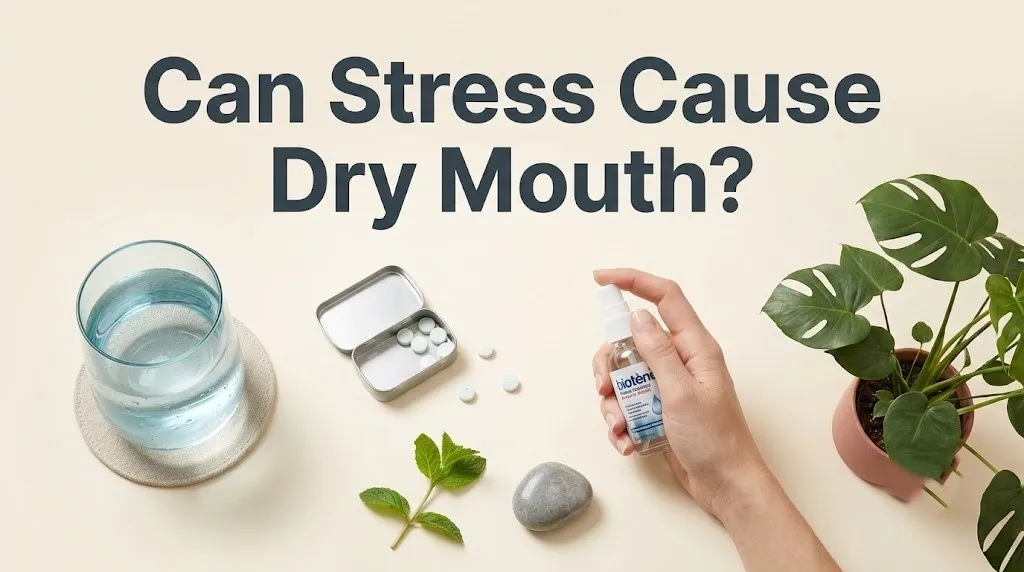
Saliva substitutes are liquid sprays, gels, or lozenges that mimic the viscosity and lubricity of natural saliva. They contain ingredients like carboxymethylcellulose, hydroxyethylcellulose, or glycerin that coat the oral mucosa and provide relief for several hours. Biotene and Oral Balance are the most clinically studied brands. A 2022 systematic review in the Journal of Dental Research found that these substitutes significantly improved subjective oral comfort in patients with xerostomia from various causes, including medication and stress. The spray form is ideal for a pre-meeting stress dry mouth because it provides immediate, discreet relief.
Saliva stimulants contain xylitol and are formulated as gums, lozenges, or mints. Xylitol is the key active ingredient because it directly stimulates the minor salivary glands through the sweet taste pathway and the chewing reflex. It also raises the oral pH and inhibits the growth of Streptococcus mutans, the primary cavity-causing bacterium. A product with xylitol as the first ingredient, not sorbitol or artificial sweeteners, is what to look for. Ice Breakers Sugar-Free Mints and PUR gum are accessible, xylitol-based options. Spry and Xlear are specialized oral health brands with higher xylitol content.
Oral protectants are fluoride-based products specifically formulated for dry mouth. A dry mouth is a decay-prone mouth because the natural washing and buffering action of saliva is lost. A high-fluoride prescription toothpaste, such as Prevident 5000, used at night before bed, creates a protective remineralization shield on the teeth. A fluoride mouth rinse used midday provides additional protection. For patients whose stress dry mouth is chronic and severe enough to cause cavities, a dentist can fabricate custom fluoride trays for a more intensive treatment.
| Product Type | Examples | Mechanism | Best Use Case |
|---|---|---|---|
| Saliva Substitute | Biotene Spray, Oral Balance Gel | Coats mucosa, replaces lubrication | Pre-meeting, acute dry mouth |
| Xylitol Stimulant | Spry Gum, Xlear Lozenges | Stimulates natural flow, protects teeth | Daily maintenance, after meals |
| High-Fluoride Protection | Prevident 5000, Clinpro 5000 | Remineralizes enamel, prevents cavities | Nighttime, chronic stress dry mouth |
| Humidifier | Bedroom cool mist humidifier | Prevents nocturnal mucosal evaporation | Anxiety-related nighttime dryness |
Key Takeaway: A xylitol gum for the daytime and a high-fluoride toothpaste for the nighttime are the two highest-impact, evidence-backed products for protecting a stressed, dry mouth.
long term effects of stress on oral health
The long-term effects of chronic stress on oral health are driven by the persistent reduction in the protective functions of saliva, leading to an increased incidence of dental caries, periodontal disease, oral candidiasis, and potentially contributing to the progression of temporomandibular joint disorders from bruxism. The mouth in a state of chronic stress is an oral environment that has lost its primary defense system.
Dental caries, or cavities, is the most direct consequence. Saliva normally washes food debris from the teeth, buffers the acid produced by bacteria after a meal, and provides a reservoir of calcium and phosphate ions that remineralize early enamel lesions. When the saliva flow is chronically reduced and the composition is thick and stagnant, the oral pH drops. The Streptococcus mutans bacteria proliferate. The enamel demineralizes. A person can go from years of cavity-free dental visits to multiple new cavities within a single year of high chronic stress. The dentist will often note a characteristic pattern of decay on the smooth surfaces of the teeth and at the gum line, which is typical of dry-mouth-related caries.
Periodontal disease is accelerated by the stress-induced immune suppression in the oral cavity. Salivary IgA is reduced. The gingival crevicular fluid, the serum-like fluid that seeps from the inflamed gums, contains elevated levels of interleukin-6 (IL-6) and tumor necrosis factor-alpha (TNF-α) in chronically stressed individuals. The gums become more inflamed, bleed more easily, and the bone supporting the teeth can begin to resorb. A 2023 study in the Journal of Periodontology found that individuals with high Perceived Stress Scale scores had a 2.5 times greater risk of progressing from gingivitis to periodontitis over a 5-year period.
Oral candidiasis, or thrush, is a fungal infection that thrives in a dry, low-saliva environment. Candida albicans is a normal oral commensal, but it is kept in check by salivary antimicrobial peptides and the washing action of saliva. In a chronic dry mouth, the Candida overgrows, producing white, cottage-cheese-like patches on the tongue and inner cheeks that can be scraped off, leaving a red, bleeding surface. This infection is painful, causes a burning sensation, and requires antifungal treatment.
Bruxism, the stress-driven grinding and clenching of the teeth, often occurs simultaneously with dry mouth during sleep. The combination of a dry, un-lubricated mouth and intense mechanical forces from grinding accelerates the wear on the enamel and causes temporomandibular joint pain. The patient wakes with a dry mouth, a sore jaw, and sensitive teeth.
when to see a doctor for dry mouth and stress
You should see a doctor for dry mouth when the symptom is present every day regardless of your stress level, when it is accompanied by significant dry eyes or joint pain suggesting Sjogren’s syndrome, when it causes difficulty swallowing that leads to weight loss, or when your dentist has identified multiple new cavities or a fungal infection linked to the dryness. The specific provider is your primary care physician or a dentist for initial evaluation, with referral to a rheumatologist if indicated.
The first stop is often the dentist because they are the oral health specialist and can measure your saliva flow, examine your oral tissues for signs of systemic disease, and rule out dental causes of dryness. A dentist can perform an unstimulated whole saliva flow test. You sit quietly and allow saliva to pool in your mouth for five minutes, then spit into a graduated cup. A flow rate of less than 0.1 milliliters per minute is diagnostic of severe hyposalivation. A normal flow rate is greater than 0.3 milliliters per minute. This simple, non-invasive test provides objective data that either confirms the gland is underproducing or suggests the dryness is sensory.
If the salivary flow rate is abnormally low, the next step is to investigate the cause. The dentist or primary care physician will order blood tests. The key panel includes anti-SSA and anti-SSB antibodies for Sjogren’s syndrome, a complete blood count for anemia, a metabolic panel for diabetes (which can cause dry mouth through dehydration from polyuria), and a thyroid panel. A review of all medications, including over-the-counter and supplements, is critical. The physician will look for drugs with anticholinergic side effects, including many antihistamines, decongestants, and muscle relaxants.
If the dry mouth is strictly stress-related and transient, self-management is appropriate. The referral threshold is breached when the dryness becomes constant. You should not accept a constantly dry mouth as just “your anxiety.” A constantly dry mouth is a medical condition called xerostomia that needs a diagnosis. A rheumatologist should evaluate you if the anti-SSA or anti-SSB antibodies are positive, or if you have a combination of dry mouth, dry eyes, and joint pain.
Key Takeaway: A dentist can measure your saliva flow rate in five minutes and tell you whether your dry mouth is a perception problem (stress likely) or a production problem (medical disease likely).
how do dentists treat stress related dry mouth
Dentists treat stress-related dry mouth with a combination of prescription fluoride therapy, chairside saliva testing to establish baseline flow and monitor treatment efficacy, and recommendations for specific over-the-counter products that increase lubrication and stimulate flow. The dental management of xerostomia is a well-established clinical protocol.
The first step is diagnosis. The dentist will take a detailed history of the dry mouth symptoms, including timing, triggers, and associated factors like mouth breathing and medication use. They will perform a comprehensive oral examination, specifically looking at the floor of the mouth under the tongue for the presence of a saliva pool, the consistency of the expressed saliva from the major glands, and the condition of the teeth at the gum line where dry-mouth decay occurs. They will likely perform the unstimulated and stimulated saliva flow tests.
The cornerstone of treatment is fluoride therapy to prevent the rapid dental decay that dry mouth causes. A dentist will prescribe a 5000 parts per million fluoride toothpaste, like Prevident 5000, to be used once daily at bedtime. The patient brushes with the prescription paste and does not rinse with water afterward, leaving a high-concentration fluoride film on the teeth overnight. This significantly reduces the caries risk. In some cases, custom fluoride gel trays are fabricated. The patient places a small amount of fluoride gel in the trays and wears them for five minutes daily.
For denture-wearing patients, stress dry mouth creates a particular problem because dentures rely on a thin saliva film for retention. A dry mouth means loose, uncomfortable dentures. The dentist will recommend a denture adhesive combined with a saliva substitute gel applied to the tissue side of the denture.
If the stress dry mouth is severe and unresponsive to environmental and topical management, a dentist can refer the patient for a prescription systemic sialagogue. Pilocarpine (Salagen) and cevimeline (Evoxac) are oral medications that stimulate the M3 muscarinic receptors on the salivary glands, driving parasympathetic saliva production. These medications are prescription-only and have side effects, including sweating and gastrointestinal cramping. They are typically used for Sjogren’s-related hyposalivation but can be considered in severe, chronic stress dry mouth that has not responded to other measures.
Frequently Asked Questions About Stress and Dry Mouth
Why does my mouth get dry when I’m stressed?
Your mouth gets dry when you’re stressed because your sympathetic nervous system releases norepinephrine onto your salivary glands, which shifts saliva production from a watery, lubricating type to a thick, sticky type.
This is part of the fight-or-flight response, where your body temporarily suspends digestion and oral lubrication to prioritize survival functions.
The sensation of dryness occurs within one to two minutes of the stressor and resolves when the stress passes.
Can anxiety cause dry mouth at night?
Anxiety can cause dry mouth at night through a combination of persistent nocturnal sympathetic tone, which reduces watery saliva production, and anxiety-induced mouth breathing, which evaporates the remaining oral moisture.
This often wakes the person with a dry, sticky mouth and can be alleviated by practicing nasal breathing during sleep and using a bedside humidifier.
Nighttime dry mouth that occurs only during periods of high life stress is consistent with an anxiety-driven mechanism.
What does stress dry mouth feel like?
Stress dry mouth typically feels like a thick, sticky, or pasty sensation, often described as “cotton mouth,” where the tongue feels like it is sticking to the roof of the mouth.
It can also include a burning or tingling sensation on the tongue and difficulty swallowing dry foods like crackers without liquid.
The sensation correlates directly with the altered protein composition of the saliva, which is high in mucin and low in watery serous fluid.
How do I get rid of dry mouth from stress quickly?
The quickest way to relieve stress-related dry mouth is to do a two-minute diaphragmatic breathing exercise (inhale for four, exhale for six) to activate the parasympathetic nervous system, combined with sipping and swishing cool water.
Chewing a xylitol-sweetened gum provides an immediate and sustained increase in natural saliva flow through the mechanical chewing reflex.
A saliva substitute spray can be used for immediate lubrication if you need to speak.
Can dry mouth from anxiety damage my teeth?
Yes, chronic dry mouth from anxiety can damage your teeth because the reduced washing and buffering action of saliva creates an acidic oral environment where cavity-causing bacteria thrive.
Stress-related dry mouth is associated with a specific pattern of rapid-onset dental decay at the gum line and on the smooth surfaces of the teeth.
Using a high-fluoride prescription toothpaste and xylitol products can protect the teeth while the stress is addressed.
When should I worry that my dry mouth is not from stress?
You should worry that your dry mouth is not from stress if it is present every single day regardless of your mood, is accompanied by persistent dry, gritty eyes and joint pain, or has made it difficult to swallow to the point of weight loss.
These features suggest a systemic autoimmune condition like Sjogren’s syndrome, and you need a blood test for specific autoantibodies and a measured saliva flow test from your dentist.
A dry mouth that never fluctuates and progressively worsens is a red flag for a medical, not psychological, etiology.
The dry mouth you feel when you’re stressed is real, measurable, and is your sympathetic nervous system doing exactly what it evolved to do: shut down non-emergency functions to prepare your body for a fight. The problem is that in a modern stress context, you do not need to fight. You need to talk, present, and connect. The dry mouth becomes a barrier, not a help. But the same autonomic switch that turned the saliva off can be turned back on.
The single most practical step you can take right now is to buy a pack of xylitol gum and keep it in your bag or desk. Before your next stressful meeting, chew a piece for two minutes. The chewing reflex directly stimulates the salivatory nuclei in your brainstem, overriding the sympathetic suppression and flooding your mouth with protective, lubricating saliva. Combine this with the four-count inhale, six-count exhale breathing pattern, and you have a rapid, evidence-based, drug-free protocol to reclaim your mouth from your stress response.
Your saliva is a finely tuned biological fluid that reflects the state of your nervous system in real time. Paying attention to it, protecting it when it is scarce, and addressing the stress that depletes it is not vanity. It is core self-care that protects your teeth, your speech, your digestion, and your comfort in your own body. You deserve to live in a mouth that feels like your own.